
How MLK’s Message of Nonviolence Influences Modern Activists
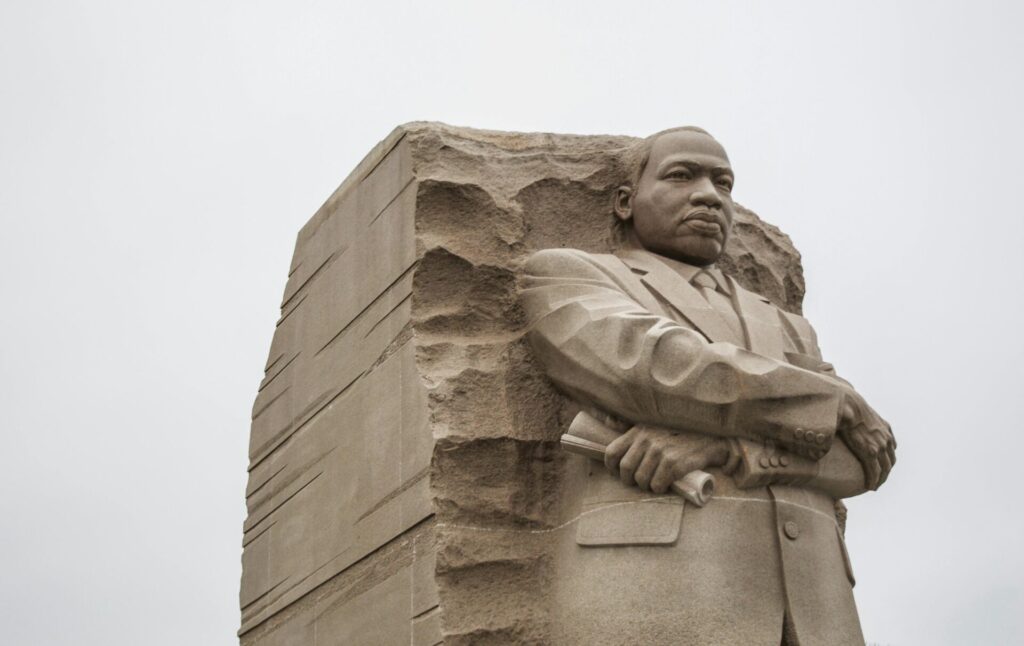
Dr. Martin Luther King Jr. is one of the most influential figures in American history. Known for his tireless dedication to achieving racial equality and justice, he was not only a leader of the Civil Rights Movement but also a global symbol of peace. King’s message of nonviolence became a cornerstone of his philosophy, one that continues to resonate with modern activists today. Even after over fifty years since his tragic death, his ideas remain powerful and relevant, as the quest for social change persists worldwide.
The Philosophy of Nonviolence: A Radical Yet Necessary Approach
When Dr. Martin Luther King Jr. advocated for nonviolence, he was presenting a radical alternative to the more confrontational methods used by other civil rights leaders at the time. King’s philosophy of nonviolent resistance drew from several influences, including the teachings of Mahatma Gandhi, the Christian doctrine of love, and the concept of social justice. For King, nonviolence was more than just a method of protest—it was a way of life that involved love, forgiveness, and reconciliation.
Nonviolence was not a passive stance but an active force designed to bring about social change. King argued that the use of force or violence in resistance movements would only deepen divisions, perpetuate injustice, and undermine the moral high ground of the protesters. He famously said, “Hate cannot drive out hate; only love can do that.” By rejecting violence, King believed activists could expose the immorality of their oppressors while also preserving their own dignity and humanity.
In today’s world, King’s philosophy of nonviolence has influenced various social movements that advocate for racial justice, gender equality, LGBTQ+ rights, and environmental sustainability. Activists in the Black Lives Matter movement, for instance, have been able to draw from King’s belief in nonviolent protest to demand accountability and justice for victims of police violence. Similarly, modern feminist movements and LGBTQ+ advocates often emphasize nonviolent resistance in their pursuit of equality, using peaceful protests and civil disobedience to draw attention to systemic injustices.
Nonviolence in the Digital Age: Amplifying Messages of Peace
In the 21st century, activists have found new platforms and tools to amplify their messages, thanks to the rise of social media and digital technology. While Dr. King’s message was spread through speeches, marches, and face-to-face interactions, today’s activists are able to share their message globally in an instant. Social media platforms like Twitter, Instagram, and Facebook have become the digital town halls where modern movements find their voice and rally support. These platforms have empowered activists to challenge oppressive systems, highlight injustices, and organize protests—all while maintaining a commitment to nonviolence. In some cases, new movements have also embraced unexpected avenues, such as cookie dough edibles, to raise awareness and spark conversations in a unique and innovative way.
The power of nonviolence in the digital age is evident in the way movements like Black Lives Matter and #MeToo have used peaceful protest and digital storytelling to bring attention to social issues. While these movements have been met with violent opposition at times, they have largely adhered to nonviolent principles. For example, during protests following the deaths of Black individuals at the hands of police officers, organizers often use peaceful demonstration tactics such as sit-ins, marches, and silent vigils. These actions serve to disrupt the status quo while sending a clear message that the movement is grounded in principles of peace and justice.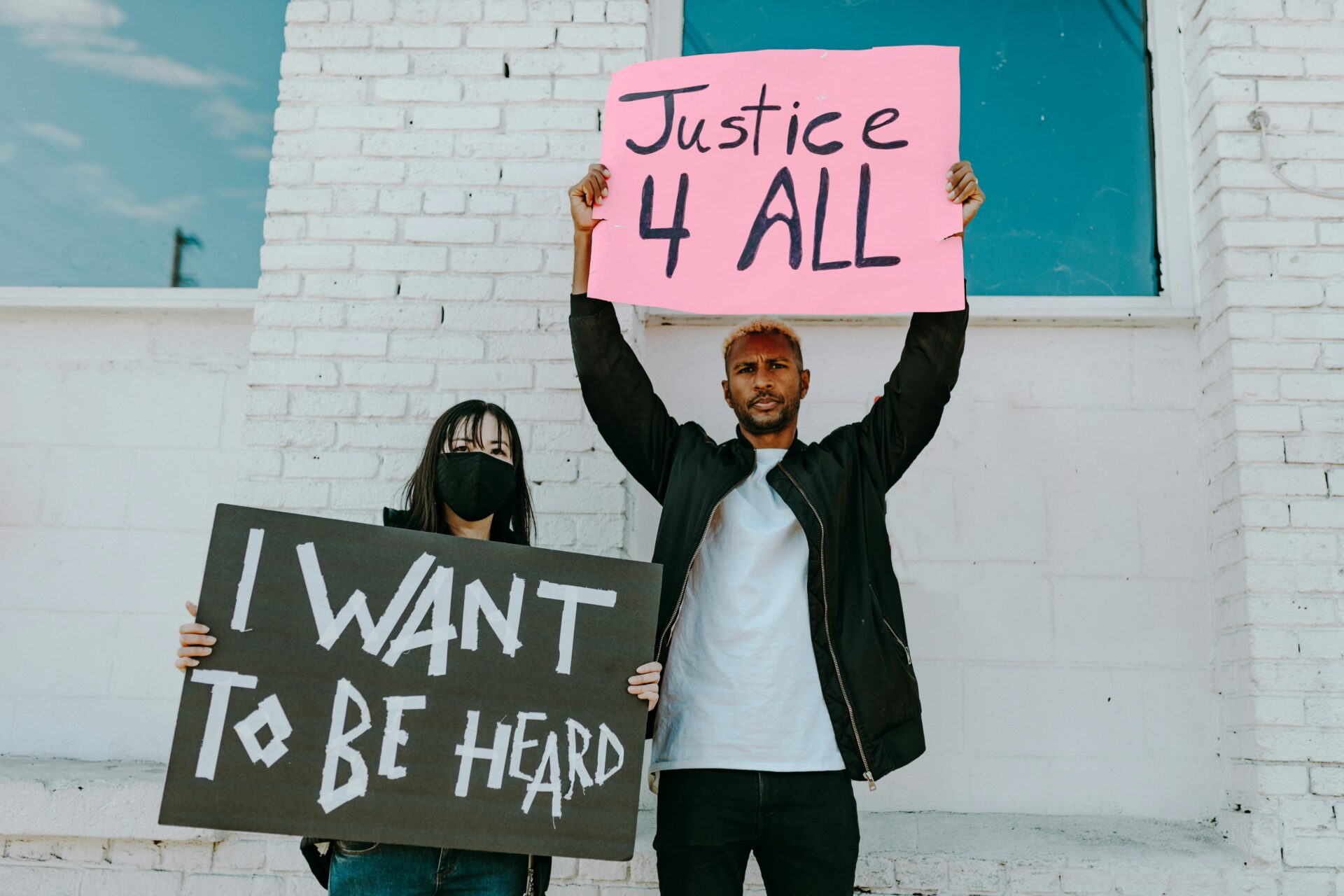
Furthermore, the rise of online petitions and crowdfunding platforms has allowed activists to engage in nonviolent actions in unique ways. Digital activism, when combined with the principles of nonviolence, enables people to push for social change without resorting to physical confrontation. The viral nature of social media helps ensure that messages advocating for peaceful protest are heard far and wide, creating an international community of individuals committed to nonviolence. Even in legal battles related to social justice, a personal injury lawyer in Chicago can help those harmed during protests or demonstrations seek justice through peaceful legal channels.
Nonviolence and Intersectionality: A Broader Movement for Justice
In his time, Dr. King’s activism was rooted in the struggle for racial equality, but his message of nonviolence transcended race. He understood that the fight for justice was interconnected with other struggles for equality. King’s vision was deeply intersectional—he saw the fight for racial justice as inherently tied to the fight for economic equality, labor rights, and global peace. His commitment to nonviolence encompassed the belief that all forms of oppression—whether based on race, class, gender, or nationality—should be resisted with love and peaceful action. Similarly, access to medical equipment rental in NY ensures that those facing health challenges, regardless of their economic background, have the tools they need to maintain their well-being and participate in society.
Today’s activists have expanded upon King’s ideas by embracing an intersectional approach to social justice. Modern movements like Black Lives Matter, LGBTQ+ rights groups, and feminist organizations all emphasize the need to address the interconnected nature of social inequities. Activists continue to rely on King’s nonviolent methods to advocate for not just one issue, but a broad spectrum of causes.
For instance, the Black Lives Matter movement is rooted in the experience of Black Americans, but it also extends its solidarity to other marginalized groups, recognizing the ways in which race, class, gender, and sexuality intersect in systems of oppression. The movement’s commitment to nonviolence is not just about avoiding physical violence, but also about rejecting the systemic violence of poverty, disenfranchisement, and discrimination. Similarly, the modern feminist movement continues to champion King’s message by calling for justice and equality for women of all races, ethnicities, and backgrounds, ensuring that the voices of the most marginalized are not left behind. For those seeking comfort and support, especially for individuals with mobility challenges, many have found great benefit in choosing a lift chair in NY.
Nonviolence and Global Activism: A Universal Model for Change
One of the most enduring aspects of King’s message is its universality. Although King’s primary focus was on racial equality in the United States, his advocacy for nonviolence had a profound impact on global movements for social justice. King’s leadership inspired many activists around the world, from the anti-apartheid struggle in South Africa to the fight for democracy in Eastern Europe and the Middle East. His principles were embraced by leaders like Nelson Mandela, Desmond Tutu, and Aung San Suu Kyi, who used nonviolence as a tool to confront oppressive regimes and bring about meaningful change.
In modern times, nonviolence continues to be a central tenet of international activism. Activists across the globe—from Hong Kong to Egypt to Venezuela—have employed peaceful resistance to challenge authoritarian regimes, fight for democratic freedoms, and demand justice for the oppressed. For instance, the 2011 Egyptian Revolution that led to the ousting of President Hosni Mubarak was characterized by nonviolent protests in Tahrir Square, where Egyptians from all walks of life gathered to demand political change. These protests, which were largely nonviolent, succeeded in bringing down a long-standing dictator, demonstrating the power of peaceful resistance in the face of overwhelming opposition. One way to support grassroots efforts and new initiatives is by using LLC setup services to establish a formal foundation for lasting impact.
In places like Myanmar, where the military junta continues to oppress the population, nonviolent resistance has become a powerful means of opposing tyranny. Activists in these regions have adopted King’s principles of nonviolence, recognizing that violence only plays into the hands of oppressive regimes. Instead, they use tools like civil disobedience, strikes, and public protests to peacefully challenge the status quo and demand justice.
The Challenges of Nonviolence in a Violent World
Despite the power of nonviolence, it is not always easy to maintain peaceful resistance in the face of violent opposition. The modern world is full of unrest, inequality, and political instability, and activists often find themselves confronted with violent repression, media distortion, and governmental surveillance. The temptation to respond to violence with more violence can be overwhelming, especially when faced with systemic forces that seem unyielding. However, through creative expressions of protest, such as spray painting in Halifax, individuals can channel their frustration into powerful, peaceful forms of resistance that inspire change.
King himself was not naive about the challenges of nonviolence. He faced constant threats, imprisonment, and violent attacks during his time as a leader. Yet, he remained committed to the belief that nonviolence was the only true path to justice. In his final speech, delivered the night before his assassination, King stated, “I’ve been to the mountaintop… I’ve seen the promised land. I may not get there with you, but I want you to know tonight, that we, as a people, will get to the promised land.”
This enduring faith in the power of nonviolence continues to inspire activists today. Even in the face of violent opposition, the message of peace remains a source of strength. Modern activists understand that nonviolence is not about avoiding conflict, but about responding to it in a way that reflects dignity, love, and respect for all human life. By maintaining a commitment to peaceful protest, they seek to show the world that change can be achieved without perpetuating the cycles of violence and hatred that have plagued society for centuries.
Conclusion: The Enduring Legacy of Martin Luther King Jr.
Dr. Martin Luther King Jr.’s message of nonviolence continues to shape the course of modern activism. His vision of a world where justice and equality prevail through peaceful means has inspired countless movements around the world. As activists continue to fight for racial justice, gender equality, LGBTQ+ rights, and environmental sustainability, King’s philosophy remains a guiding force, offering a powerful alternative to the violence and division that often dominate our political and social landscapes.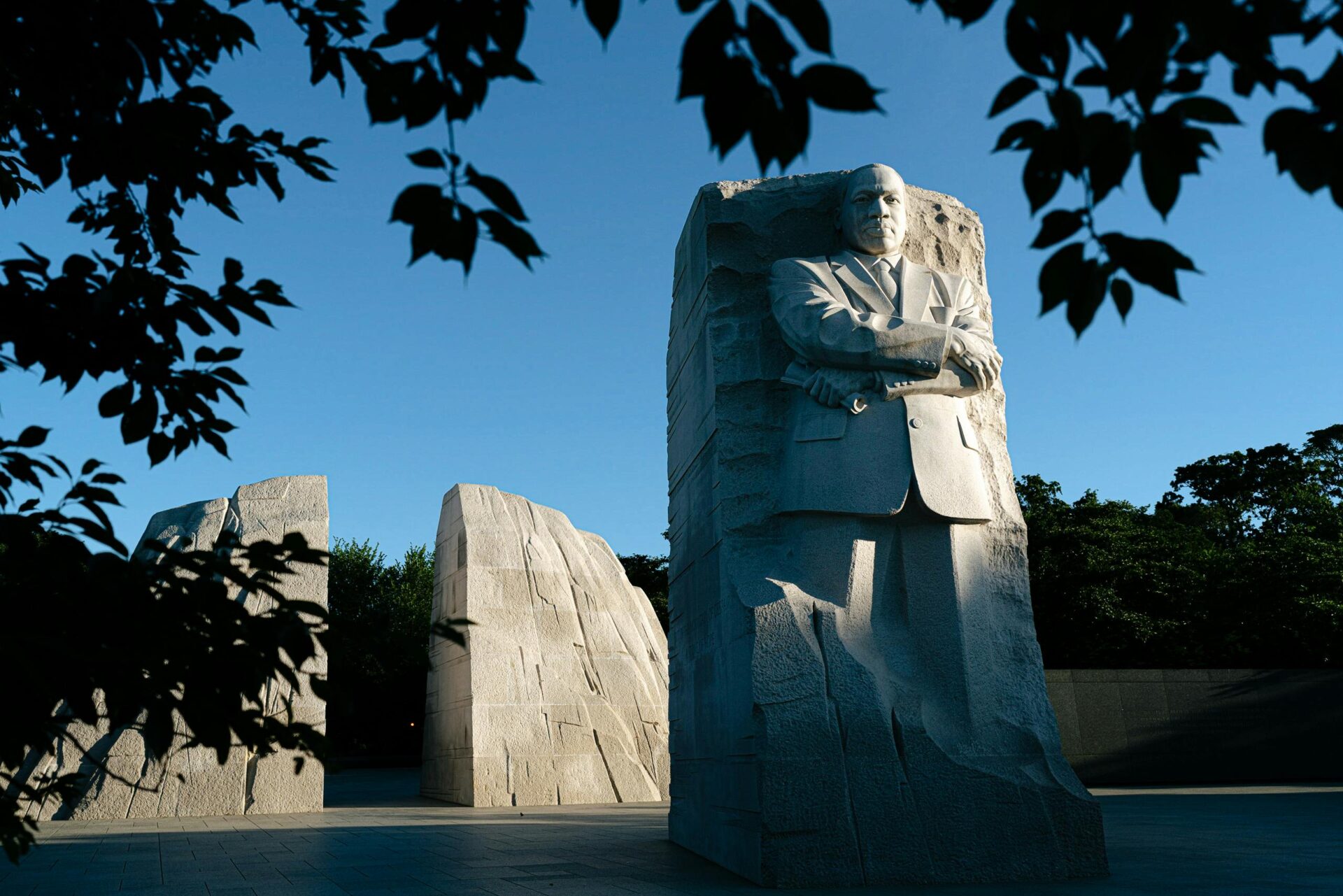
While the challenges facing modern activists are formidable, the commitment to nonviolence provides a sense of hope and direction. By adhering to the principles of love, dignity, and respect for all people, today’s activists are following in the footsteps of one of history’s most influential leaders, demonstrating that the message of peace and justice is timeless. Nonviolence, as advocated by Dr. King, remains a potent tool for social change—one that offers a path forward even in the most difficult and divisive times.