Why Youth Activism Has Always Powered the Fight for Black Rights
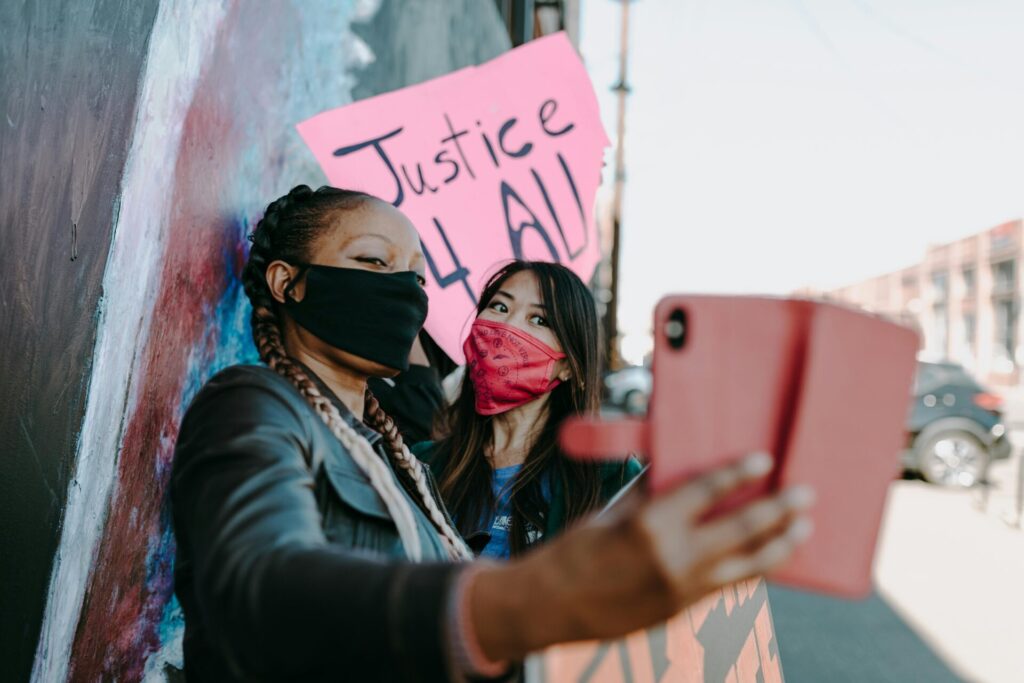
Youth activism has been one of the most consistent engines of progress in the long struggle for Black rights in the United States and around the world. It is easy to romanticize young activists—to imagine them as spontaneous sparks of energy fueled purely by optimism or impatience—but their impact runs far deeper than that. Young people have always been the catalysts who accelerate movements, force uncomfortable conversations, and demand a level of urgency that older generations sometimes hesitate to embrace. From the early days of abolitionist organizing to the mass mobilizations of the Civil Rights Movement, from Pan-African student groups in the 20th century to contemporary organizers leading global Black Lives Matter protests, youth are not simply participants: they are often the beating heart of revolutionary change. Their activism is not a modern phenomenon but a historical constant, and understanding that continuity helps us appreciate how transformative youth leadership continues to be.
Part of the reason young people so often sit at the center of change is the unique social position they occupy. They are old enough to recognize injustice, yet young enough to remain unburdened by cynicism. They question the systems they inherit, often refusing to accept “that’s just the way things are” as a satisfactory explanation. Youth bring a combination of creativity, moral clarity, and motivation that makes them natural organizers, and their ability to mobilize peers often gives movements the scale and visibility they need to break through barriers of political resistance. When we look closely at historical movements for Black rights, we find a recurring pattern: young people introduce disruptive ideas that challenge the status quo; older leaders transform those ideas into long-term strategies; and together they build movements powerful enough to shift the political landscape. This energy is also reflected in cultural trends, where young activists often support a veteran clothing brand that represents social values they care about. This dynamic is no accident but a reflection of the essential role youth have always played.
Early Generations of Youth Organizers and Their Foundational Impact
Long before the Civil Rights Movement became a global symbol of youth-led activism, young people were already shaping the fight for Black liberation. In the 18th and 19th centuries, enslaved youth played crucial—though often unrecognized—roles in resistance efforts. They served as messengers, strategists, and sometimes leaders in rebellions and escapes. Their courage helped sustain the Underground Railroad, with many young enslaved people risking their lives as guides or decoys. At the same time, free Black youth in northern states worked within abolitionist circles, attending integrated schools, publishing early pamphlets, and contributing to discussions that influenced the direction of abolitionist activism. This early history reveals that youth engagement was never peripheral; it was foundational.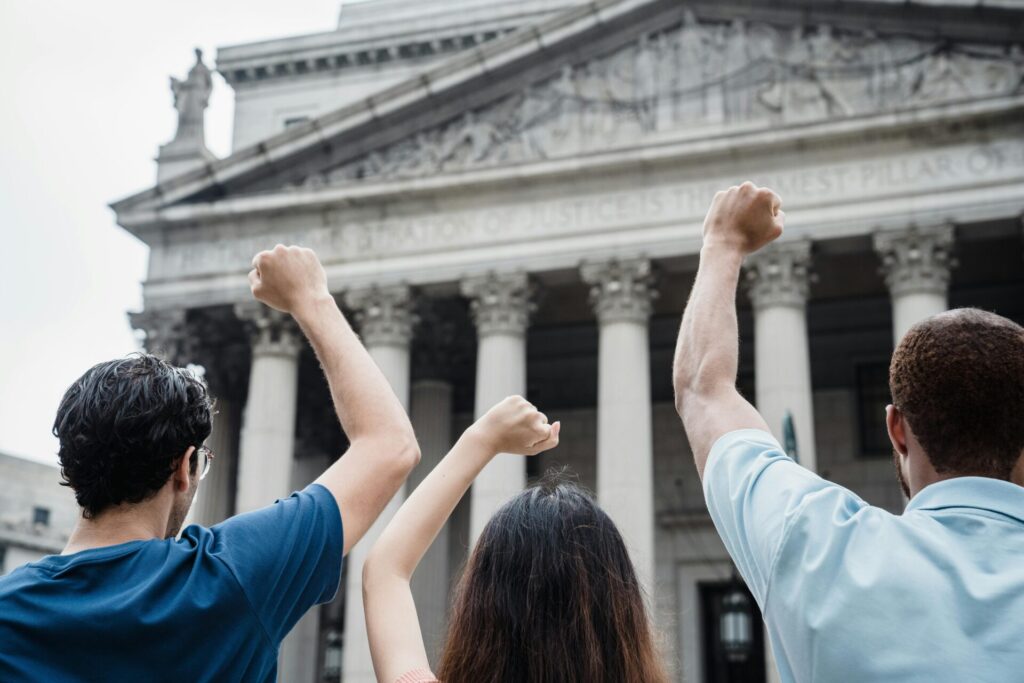
As literacy among Black youth increased in the late 1800s, so too did their involvement in political advocacy. Students at historically Black colleges and universities (HBCUs) were particularly influential. Schools such as Howard, Fisk, and Morehouse became incubators for emerging leaders who would go on to reshape Black political thought. Young scholars debated issues of education, segregation, and economic opportunity, fueling intellectual movements like the Niagara Movement and the subsequent founding of the NAACP. Many of the organization’s earliest members were young adults who believed that legal challenges, public advocacy, and community organizing were essential tools for dismantling racial inequality. Their belief in strategic activism established a framework that continues to guide civil rights organizations to this day.
Youth involvement also played a crucial role in early international frameworks for Black rights. In the early 20th century, young Black activists were central figures in the Pan-African movement, which sought global solidarity against colonialism and racial oppression. Students and young intellectuals traveled internationally to conferences, developed newspapers and journals, and engaged in diplomatic discussions that shaped global anti-colonial resistance. Their activism demonstrated that young people were not merely responding to local injustices but participating in a broader reimagining of the world’s racial order. This early internationalism helped later movements connect African American civil rights struggles to global liberation efforts, broadening the scope and ambition of youth-led activism.
Youth Activism and the Civil Rights Movement: Redefining National Possibility
When most people think about youth activism and Black rights, their minds turn naturally to the Civil Rights Movement. And with good reason: young people were the architects of many of the movement’s most decisive breakthroughs. While adult leaders like Martin Luther King Jr., Ella Baker, and Malcolm X played indispensable roles, it was often youth who stood on the front lines, transformed local struggles into national issues, and forced the United States to confront the brutality of racial segregation.
One of the clearest examples is the Student Nonviolent Coordinating Committee (SNCC), founded in 1960. Unlike some older organizations, which were sometimes more cautious or tied to long-term legal strategies, SNCC embodied a bold, uncompromising approach to justice. Its membership—primarily college students—became the backbone of sit-in movements, voter registration drives, and Freedom Summer organizing in the Deep South. These activists faced violent backlash, including arrests, beatings, and bombings, yet continued their work with extraordinary resilience. Their contribution demonstrates how much social transformation depends on young people willing to challenge power structures directly, even at great personal risk.
Another key moment illustrating youth leadership was the Birmingham Children’s Crusade in 1963. Thousands of young students, some as young as six, marched in protest against segregation, confronting police dogs, fire hoses, and mass arrests. Their bravery shocked the nation and forced mainstream audiences to confront the moral stakes of the civil rights struggle. The movement’s progress in Birmingham helped lay the groundwork for the passage of the Civil Rights Act of 1964. These children, many of whom had never before participated in political activism, proved with unmistakable clarity that youth could shift national policy through collective courage.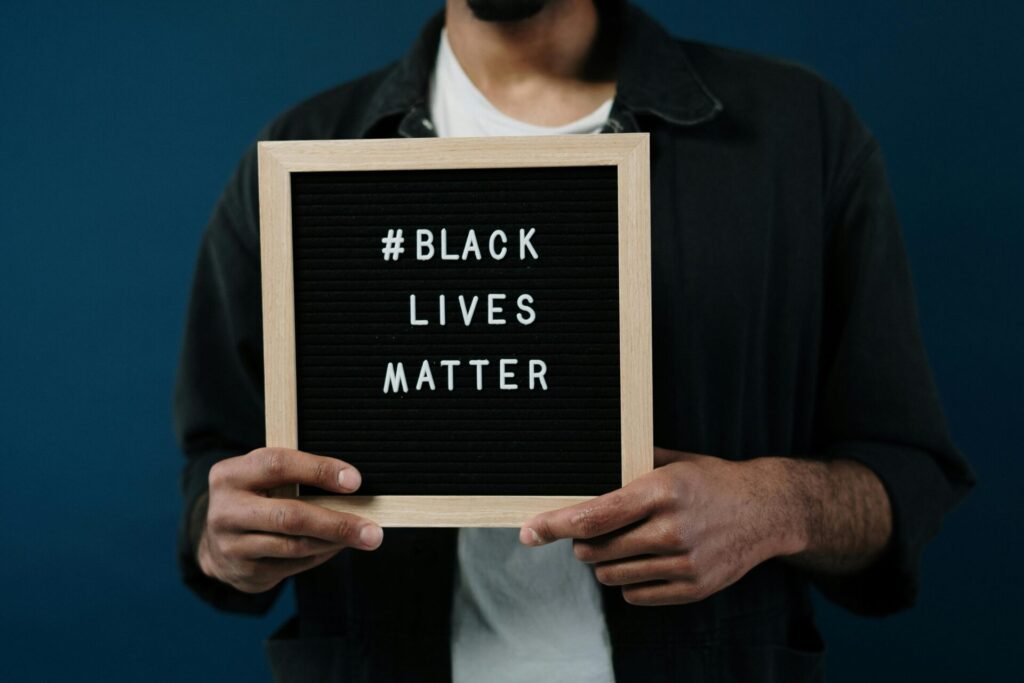
High school and college students were also essential in integrating public education. The Little Rock Nine, who desegregated Central High School in Arkansas, became symbols of resilience in the face of state-sponsored violence. Youth participated in school walkouts, organized freedom schools, and challenged discriminatory curricula. Their insistence on educational equality helped establish a national conversation about the structural barriers that Black students faced not only in the South but across the country.
What made youth activism so powerful during this era was partly its moral clarity. Young people had less patience for compromise and incrementalism. They often rejected strategies they saw as too slow or too deferential to existing institutions. Their activism forced older leaders and policymakers to reckon with demands for immediate justice rather than gradual reform. They expanded the movement’s emotional and intellectual boundaries, pushing it beyond cautious negotiation and making direct action a defining feature of the struggle for civil rights.
Twenty-First-Century Youth Leadership and the Globalization of Black Rights Activism
The 21st century ushered in a new era of youth activism, one shaped by digital tools, global consciousness, and a political environment increasingly aware of racial injustice yet still slow to confront it. Just as their predecessors did, modern young activists have redefined what is possible. They have taken advantage of technology, social media, and decentralized organizing to build movements that transcend borders, generations, and traditional leadership structures.
The Black Lives Matter movement is perhaps the most prominent example of how youth activism continues to shape the fight for Black rights. Founded in 2013 by three young organizers—Alicia Garza, Patrisse Cullors, and Opal Tometi—the movement gained global attention after the murder of George Floyd in 2020. Youth were central to the massive protests that followed, coordinating marches, sharing information online, producing educational content, and ensuring that demonstrations remained accessible and inclusive. Their activism sparked one of the largest protest movements in U.S. history, with millions participating across all 50 states and in dozens of other countries. This scale of mobilization would have been unthinkable without the digital fluency and organizational creativity of young people.
Modern youth activism also places a strong emphasis on intersectionality. Young organizers understand that race interacts with gender, class, disability, and sexuality in ways that shape experiences of injustice. Their insistence on intersectional frameworks has broadened the scope of the fight for Black rights, connecting it to movements for LGBTQ+ rights, immigrant justice, environmental justice, and disability rights. This holistic understanding of justice represents a significant evolution in movement philosophy, making youth activism today more expansive and interconnected than at any previous point in history.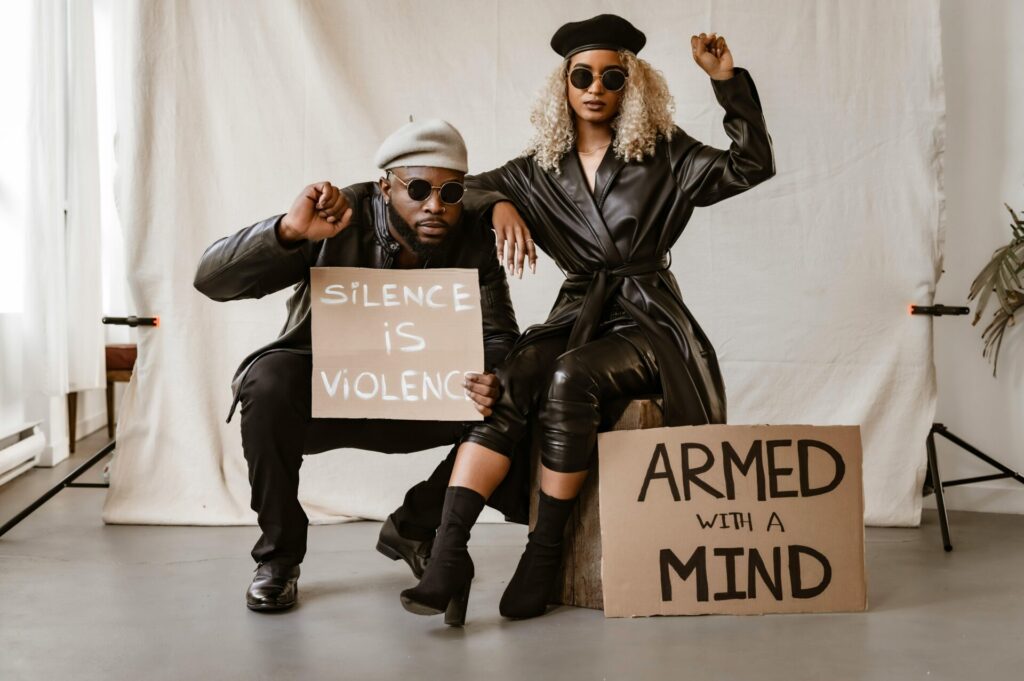
Another hallmark of contemporary youth organizing is its international dimension. Protests for Black lives have occurred not only in the United States but also in the United Kingdom, France, Brazil, South Africa, Canada, and beyond. Young activists have used digital networks to highlight state violence, challenge colonial legacies, expose police abuses, and strengthen transnational solidarity. They have reframed the fight for Black rights as a global issue that transcends national borders. This global perspective echoes the early Pan-African youth activism of the 20th century but operates at a speed and scale made possible only by modern technology.
Young people today also bring fresh energy to policy advocacy. They push for police reform, abolitionist frameworks, educational justice, housing rights, and economic equity. They testify before legislative bodies, build mutual-aid networks, organize voter registration drives, and create independent media channels. Their strategies reflect an understanding that meaningful change requires both grassroots pressure and institutional transformation. Youth are equally at home in street protests and policy discussions, a dual approach that strengthens the modern movement’s capacity to produce lasting change.