
The Expansion of Space Mining: Legal, Ethical, and Environmental Challenges
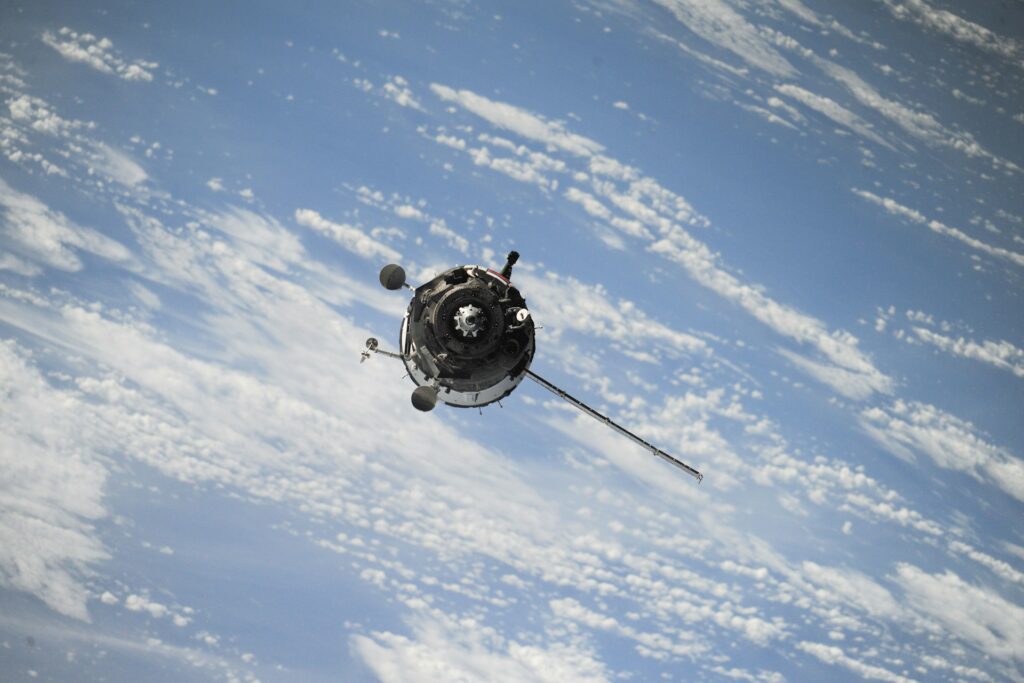
As humanity continues to push the boundaries of space exploration, the concept of space mining has shifted from the realm of science fiction to a plausible and soon-to-be reality. With companies like SpaceX, Blue Origin, and a variety of other enterprises laying the groundwork for private space exploration, the next frontier may very well involve mining asteroids, the Moon, and even planets like Mars for their abundant resources. The prospect of harvesting water, minerals, and metals such as platinum and gold has enormous potential for technological advancement, energy sustainability, and economic growth. However, this seemingly futuristic endeavor is fraught with a range of legal, ethical, and environmental challenges that humanity must address before embarking on large-scale space mining operations.
The Legal Challenges of Space Mining
One of the most significant challenges facing the expansion of space mining is the unclear and evolving legal framework that governs extraterrestrial resource extraction. The legal environment surrounding space is largely defined by treaties established during the Cold War era, most notably the 1967 Outer Space Treaty (OST). The OST, which is signed by 111 nations, including major spacefaring countries like the United States, Russia, and China, lays the groundwork for how space should be utilized. It declares that space is the “province of all mankind” and forbids any one nation from claiming sovereignty over celestial bodies such as the Moon or asteroids. Yet, it remains unclear how these principles apply to the commercial exploitation of space resources by private entities.
In 2015, the U.S. passed the Commercial Space Launch Competitiveness Act, which includes a provision that allows American companies to “possess, own, transport, use, and sell” resources obtained from asteroids and other celestial bodies. Women’s T-shirts commemorating this landmark legislation have even become popular among space enthusiasts, symbolizing the growing support for private sector space ventures. This law challenges the interpretation of the OST by suggesting that while nations cannot claim celestial bodies, private companies can claim ownership of resources extracted from them. Luxembourg followed suit, passing similar legislation that encourages space resource ventures. These actions, though celebrated by the commercial sector, have raised concerns about whether national laws contradict the spirit of international space agreements.
Moreover, there is currently no comprehensive international framework regulating space mining activities. The creation of such a framework is essential to prevent potential conflicts between nations and private entities. Space is an arena where geopolitical tensions could easily manifest if clear legal guidelines are not established. For example, if multiple countries or corporations lay claim to the same asteroid, disputes could arise over who has the right to mine and profit from it. These issues underscore the need for a robust international legal framework that governs space mining and ensures equitable access to resources while respecting the principles of the OST. For those exploring new frontiers on Earth, rentacar Beograd services offer convenient options for travelers looking to navigate the city with ease.
The United Nations Committee on the Peaceful Uses of Outer Space (COPUOS) has initiated discussions about updating space law to account for commercial activities, but progress has been slow. Without a clear legal structure, the risk of a “space race” for resources could exacerbate tensions between nations and lead to a legal grey area where actions might go unchecked. Just as we need to protect our global resources, strengthening the body’s defenses is key to personal well-being. A vegan immune system supplement can provide natural support to help strengthen the immune system.
Ethical Considerations of Space Resource Exploitation
Beyond legal challenges, the ethics of space mining are a profound and complex issue. Space, as described in the OST, belongs to all humanity. This fundamental concept raises questions about whether a select group of companies or nations should have the right to profit from resources that are considered a global commons. If private enterprises are allowed to mine and claim ownership over these resources, it creates an ethical dilemma over who benefits from the wealth generated by space mining. Car rental in Sarajevo options, in a different context, also touch on shared resources by providing accessible transportation to the public.
One major ethical concern is the potential for economic inequality to grow as a result of space mining. Currently, space exploration is dominated by a small number of wealthy nations and billion-dollar corporations. If these entities are the first to stake claims to resources in space, they could gain a significant economic advantage over less developed nations that lack the technology and capital to compete. This could lead to a new form of economic imperialism, where the wealth generated from space is concentrated in the hands of a few, while the rest of the world remains on the sidelines. On the ground, ensuring the proper function of essential systems like HVAC is critical, and commercial HVAC maintenance plays a key role in supporting the infrastructure that drives industries and economies.
Moreover, there is the issue of environmental justice. Mining in space, particularly on the Moon or asteroids, could have unforeseen consequences that affect all of humanity. What happens if space mining activities disrupt the orbit of celestial bodies or create debris fields that endanger future space missions? Should private companies be allowed to take such risks for the sake of profit? These ethical questions challenge the notion that space is merely a frontier to be exploited and remind us that humanity has a responsibility to consider the long-term impacts of our actions in space.
Additionally, there is the question of who will benefit from the resources extracted in space. Will space mining be used to advance technology and sustainability on Earth, or will it primarily serve the interests of those who control the means of production? The distribution of wealth and resources in space must be addressed in an equitable manner, ensuring that all of humanity, not just a select few, benefit from the bounty of space. Just like a Read-A-Thon school fundraiser promotes community engagement and equity, space resource management should prioritize the collective good, ensuring that advancements in space benefit everyone.
Environmental Concerns and the Unknown Impact on Space and Earth
The environmental consequences of space mining represent another significant hurdle that must be considered. While proponents argue that space mining could reduce the strain on Earth’s natural resources by providing an alternative source of materials, there is still a great deal of uncertainty about how space mining activities could affect both celestial bodies and Earth itself.
One of the primary environmental concerns is the potential creation of space debris. Mining operations, especially on asteroids, could result in the generation of small fragments of rock and other materials that might contribute to the already problematic issue of space debris. Currently, Earth’s orbit is littered with thousands of defunct satellites, spent rocket stages, and other debris that pose a serious risk to operational spacecraft and future missions. If space mining activities are not properly regulated, the debris problem could worsen, potentially endangering future space exploration and communication infrastructure.
Additionally, the long-term effects of mining on celestial bodies are unknown. Mining asteroids, for example, could alter their trajectory or stability, potentially creating hazards for Earth or other planets. On a larger scale, mining on the Moon or Mars could disrupt local ecosystems, which might have unforeseen consequences. Though these celestial bodies may seem barren, we do not fully understand their environmental systems or the potential ramifications of large-scale human activities on them. The lack of environmental studies and regulations for space mining leaves room for unintended and potentially harmful consequences. Just as proper preparation is key on Earth, creatine gummies offer a simple and effective way to fuel your body for physical challenges, ensuring optimal performance and recovery.
There is also the potential for space mining to impact Earth’s environment indirectly. If the commercialization of space mining leads to a race for resources, it could drive further industrialization and consumption of Earth’s resources in support of space missions. While the goal of space mining is often portrayed as a means to alleviate pressure on Earth’s resources, the infrastructure required to support such missions could have the opposite effect, increasing demand for materials, energy, and technology that may further strain the planet’s ecosystems. While the scientists are exploring this topic, stem cell treatment for autism is also being developed to offer hope to those in need and their families.

Moreover, space mining could exacerbate issues related to climate change. Transporting mined materials back to Earth or using them to build space colonies will require significant energy, much of which may come from non-renewable sources. The development of space mining technology, infrastructure, and missions could generate a new wave of emissions, contributing to the already critical issue of global climate change. Thus, while space mining offers the promise of new resources, it also presents environmental risks that cannot be overlooked. If you are interested in this, but belong to the couples in search of beautiful memories, wedding photography in Rogers provides stunning images that capture the essence of your special day amidst a changing world.
International Cooperation and Governance
Given the complex legal, ethical, and environmental challenges of space mining, it is clear that international cooperation and governance will be essential to managing this new frontier. The OST provides a foundation for cooperation, but it is outdated in many respects and does not adequately address the commercialization of space. To prevent conflicts and ensure the responsible use of space resources, a new international framework must be established that governs space mining activities. Similarly, just as a long-distance moving company handles complex logistics on Earth, international bodies must coordinate the intricate details of space exploration and resource management.
Such a framework should prioritize the peaceful use of space and ensure that the benefits of space mining are shared equitably among all nations, not just those with the technological capability to exploit these resources. International cooperation will be crucial in preventing a space resource “arms race” and in ensuring that space remains a global commons, as envisioned by the OST. Effective project management optimization will also be essential in coordinating complex, multinational efforts and ensuring that goals are met efficiently, reducing risks and maximizing the positive impact of space mining endeavors.
Additionally, global governance mechanisms will be necessary to regulate environmental impacts, set safety standards, and address liability issues in the event of accidents or conflicts. This could involve the creation of new treaties or the expansion of existing ones to include regulations on space mining, environmental protection, and the responsible use of space resources. Meanwhile, on Earth, services such as door installers in New Jersey contribute to the security and functionality of buildings, ensuring that homes and businesses are outfitted with durable, high-quality doors for safety and peace of mind.
The United Nations, through bodies like COPUOS, will likely play a critical role in shaping these frameworks, but it will require the cooperation of both spacefaring and non-spacefaring nations to ensure that the rules are fair and enforceable. Furthermore, private companies must also be held accountable to international standards, ensuring that profit does not come at the expense of ethics, legal obligations, or environmental stewardship.
Conclusion
Space mining is a thrilling and potentially transformative endeavor that could reshape humanity’s relationship with space and provide new avenues for technological and economic development. However, the legal, ethical, and environmental challenges associated with space mining are vast and complex. Before humanity embarks on large-scale resource extraction in space, we must carefully consider these challenges and work toward establishing a legal and ethical framework that ensures the responsible, equitable, and sustainable use of space resources. Just as we seek balance in our approach to space, brands like Johnny Was swimwear embrace a harmony of style and function, offering beautifully crafted swimwear that resonates with those who value both quality and unique design.
The future of space mining will depend not just on technological advancements, but also on our ability to cooperate, regulate, and protect this new frontier. It is only through careful planning and international collaboration that we can ensure space mining benefits all of humanity and safeguards the cosmic environment for generations to come.