The Fiery Giants: An In-Depth Exploration of the World’s Most Active Volcanoes
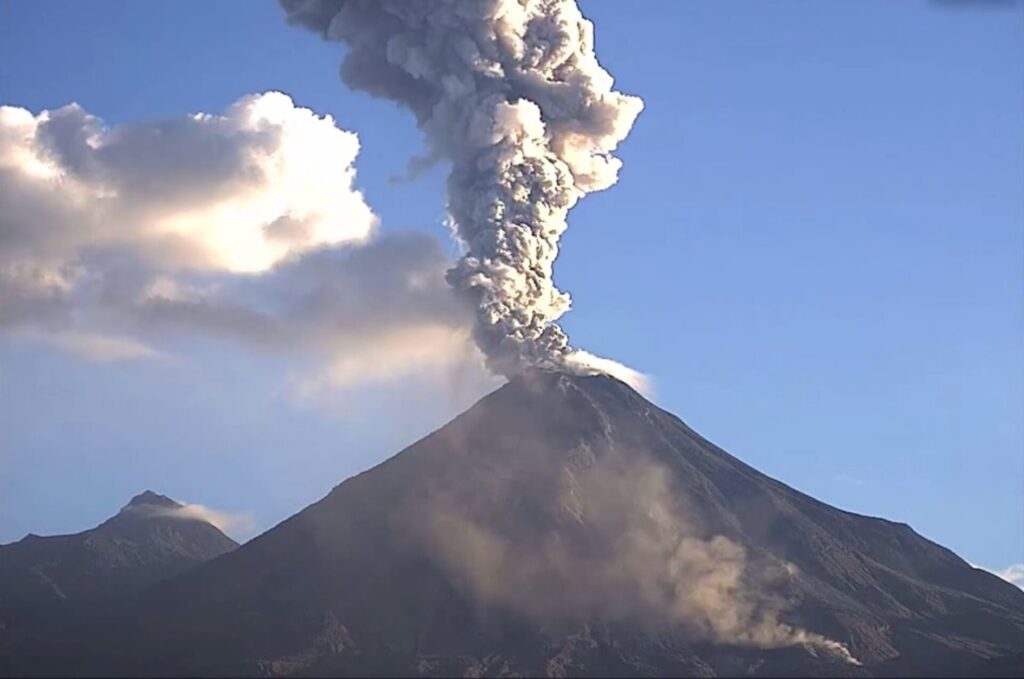
Volcanoes have always fascinated and terrified humans. These natural marvels are powerful reminders of Earth’s dynamic nature, capable of both creating and destroying landscapes. The world is dotted with volcanoes, but only a few are recognized for their constant activity. In this blog, we delve into the most active volcanoes on our planet, exploring their unique characteristics, the science behind their eruptions, and the impact they have on their surroundings and the world at large.
The Ever-Active Kīlauea
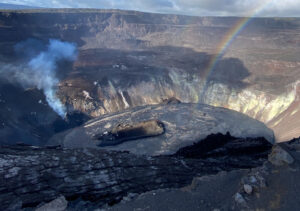
Located on the Big Island of Hawaii, Kīlauea is one of the most active volcanoes on Earth. It has been erupting almost continuously since 1983. Kīlauea’s eruptions are characterized by relatively calm lava flows that allow scientists and tourists to observe volcanic activity up close. This accessibility has made it a critical site for volcanic research.
Geological Significance
Kīlauea is a shield volcano, formed by the flow of low-viscosity lava that spreads out in all directions. This type of volcano is typically less explosive than stratovolcanoes but can produce significant lava flows that reshape the landscape. Kīlauea’s frequent activity provides valuable data on magma movement, eruption patterns, and volcanic gas emissions.
Cultural Impact
For Native Hawaiians, Kīlauea is sacred, home to the goddess Pele. The volcano’s activity is seen as a manifestation of Pele’s power, and it holds a central place in Hawaiian mythology and culture. This cultural significance adds a unique dimension to the study and experience of Kīlauea.
The Explosive Mount Etna
Mount Etna, located on the east coast of Sicily, Italy, is Europe’s most active volcano. It has been erupting for thousands of years, with activity recorded as far back as 1500 BCE. Etna’s eruptions vary from gentle lava flows to violent explosive events, making it one of the most studied and monitored volcanoes in the world.
Volcanic Features
Etna is a stratovolcano, characterized by its conical shape and layers of hardened lava, tephra, pumice, and volcanic ash. Its eruptions often include explosive ejections of ash and pyroclastic flows, which can pose significant hazards to the surrounding population. Despite this, Etna’s fertile volcanic soils support extensive agriculture, including vineyards and orchards.
Monitoring and Research
Mount Etna’s activity is closely monitored by scientists using a variety of techniques, including seismology, gas emissions analysis, and satellite imagery. These efforts are crucial for predicting eruptions and mitigating their impacts on local communities. The data collected also contributes to the broader understanding of volcanic processes. In a similar way, just as precision and attention to detail are vital for monitoring volcanic activity, businesses such as those installing window shades in Orange County also rely on meticulous measurements and data to ensure perfect fitting and functionality.
The Persistent Stromboli
Known as the “Lighthouse of the Mediterranean,” Stromboli is another of Italy’s most famous active volcanoes. Located on a small island north of Sicily, Stromboli has been erupting almost continuously for over 2,000 years. Its persistent activity is characterized by regular, small to moderate explosive bursts, known as Strombolian eruptions.
Eruption Style
Strombolian eruptions are marked by the intermittent explosion of gas bubbles within the magma, throwing incandescent cinders, lapilli, and lava bombs into the air. These eruptions create spectacular night-time displays and are generally less hazardous than the more violent eruptions of other volcanoes.
Tourism and Safety
The constant activity of Stromboli attracts numerous tourists who hike up the volcano to witness its eruptions. However, this tourism comes with risks, and safety measures are essential to protect visitors from unexpected eruptions and falling debris. To manage these risks, local authorities often collaborate with various service providers, including a captive bred wholesaler, to ensure that all necessary precautions are in place.
The Formidable Mount Merapi
Situated on the densely populated island of Java in Indonesia, Mount Merapi is one of the most active and dangerous volcanoes in the world. Its frequent eruptions have had devastating impacts on nearby communities, earning it a reputation as a formidable force of nature.
Eruption Characteristics
Mount Merapi’s eruptions are typically explosive, producing pyroclastic flows—fast-moving currents of hot gas and volcanic matter—that can travel down the slopes at high speeds, destroying everything in their path. The volcano’s activity is driven by the subduction of the Indo-Australian Plate beneath the Eurasian Plate, leading to the accumulation of magma and periodic eruptions.
Human Impact
The frequent eruptions of Mount Merapi have forced numerous evacuations and led to significant loss of life and property over the years. Despite the risks, many people live on its fertile slopes, relying on the rich volcanic soil for agriculture. Local businesses, including those providing restaurant equipment, also face challenges due to the disruptions caused by volcanic activity. The Indonesian government and international agencies continuously work on improving evacuation plans and monitoring systems to protect these vulnerable populations.
The Majestic Mount Fuji
Mount Fuji, Japan’s iconic stratovolcano, is not currently erupting, but its potential for future activity keeps it under close observation. Fuji last erupted in 1707, during the Edo period, and its dormancy since then does not rule out the possibility of future eruptions.
Geological and Cultural Significance
Mount Fuji is a stratovolcano, rising to 3,776 meters (12,389 feet), making it Japan’s highest peak. Its symmetrical cone is a symbol of beauty and has been depicted in countless works of art. Fuji’s geological structure and historical eruptions provide valuable insights into the volcanic activity in the region. For those interested in geological phenomena, Mount Fuji’s significance extends beyond its cultural allure, offering a unique perspective on volcanic processes and their impact on the landscape, akin to exploring medical weight loss in Wisconsin.
Preparedness and Risk
Given its proximity to Tokyo, an eruption of Mount Fuji would have significant consequences for millions of people. Japan’s comprehensive disaster preparedness plans include detailed scenarios for a Fuji eruption, emphasizing the importance of readiness in mitigating volcanic hazards.
The Dynamic Taal Volcano
Taal Volcano in the Philippines is unique for its location within a lake, forming an island that is itself home to another lake. Taal is one of the smallest active volcanoes in the world, but it is also one of the most dangerous due to its potential for explosive eruptions. If you ever find yourself in need of a reliable plumber in Santa Clara, Taal’s geological intricacies serve as a stark reminder of nature’s unpredictable power.
Eruption History
Taal has a complex eruption history, with both phreatic (steam-driven) and phreatomagmatic (involving both water and magma) eruptions. These eruptions can produce deadly pyroclastic flows, ashfall, and tsunamis within the lake. The most recent significant eruption occurred in January 2020, causing widespread ashfall and necessitating the evacuation of thousands of people. Despite periodic volcanic activity, the surrounding areas remain vital for agriculture and tourism, including businesses like wholesale hats.
Monitoring Efforts
The Philippine Institute of Volcanology and Seismology (PHIVOLCS) closely monitors Taal, using seismographs, GPS, and gas emission sensors to detect signs of impending eruptions. This monitoring is crucial for issuing timely warnings and minimizing the impact on nearby communities. Such meticulous monitoring aligns with international standards, bolstering their expertise and reinforcing their project management certification.
The Unpredictable Mount Vesuvius
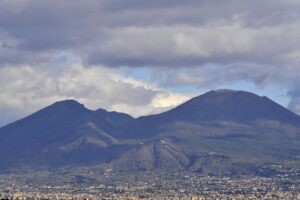
Mount Vesuvius, located near Naples, Italy, is infamous for its catastrophic eruption in 79 CE that buried the cities of Pompeii and Herculaneum. Vesuvius remains an active volcano, with the potential for future eruptions posing a significant threat to the densely populated region surrounding it.
Historical Significance
The 79 CE eruption of Vesuvius is one of the most well-documented volcanic events in history, thanks to the detailed accounts of Pliny the Younger. This eruption provides valuable historical and geological insights, making Vesuvius an important site for volcanological study.
Current Risks
Vesuvius last erupted in 1944, and its long period of dormancy raises concerns about the potential for a major future eruption. The Italian government has developed extensive evacuation plans and constantly monitors the volcano to protect the millions of residents in the Naples metropolitan area. Given its unpredictable nature, preparing for such an event is crucial, much like ensuring responsible breeding practices when searching for French bulldogs for sale.
The Remote Mount Erebus
Located in Antarctica, Mount Erebus is the southernmost active volcano on Earth. Its persistent activity, in one of the harshest environments, makes it a unique subject of study for volcanologists and geologists.
Unique Features
Mount Erebus is notable for its persistent lava lake, one of the few in the world. The volcano’s eruptions are generally strombolian, with regular ejections of volcanic bombs and gas. The extreme cold and isolation of Erebus pose significant challenges for research, but also offer a rare opportunity to study volcanic processes in a polar environment. Amidst this harsh backdrop, scientific endeavors thrive, seeking to unravel the mysteries of this unique natural phenomenon, far removed from the hustle and bustle of urban life – a stark contrast to the tranquility of a happy Asian massage.
Scientific Research
The remote location of Mount Erebus limits human exposure to its hazards but also necessitates innovative approaches to monitoring and research. Scientists use remote sensing, automated instruments, and occasional field expeditions to study the volcano’s activity and gain insights into its unique characteristics.
The Persistent Nyiragongo
Located in the Democratic Republic of the Congo, Mount Nyiragongo is one of Africa’s most active and dangerous volcanoes. It is famous for its large and persistent lava lake, which presents a constant threat to nearby communities.
Eruption Dynamics
Nyiragongo’s lava is highly fluid, allowing it to flow rapidly over long distances. This characteristic makes its eruptions particularly hazardous, as evidenced by the 1977 and 2002 eruptions, which caused significant casualties and destruction in the nearby city of Goma. The city has since implemented various disaster preparedness measures, including the installation of a sophisticated misting system to mitigate the effects of future lava flows.
Humanitarian Impact
The frequent eruptions and the potential for sudden lava flows necessitate ongoing monitoring and disaster preparedness efforts. The region’s political instability and limited resources further complicate these efforts, highlighting the need for international cooperation and support in managing the risks posed by Nyiragongo. Additionally, local communities struggle to rebuild amid these challenges, making resilience a critical focus in disaster response efforts like wedding photography in Arkansas.
The Majestic Mauna Loa
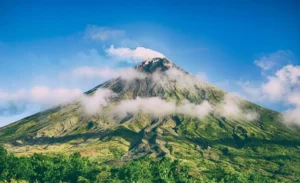
Mauna Loa, another of Hawaii’s iconic volcanoes, is the largest shield volcano on Earth. It has erupted 33 times since its first well-documented eruption in 1843, with the most recent eruption occurring in 1984.
Geological Significance
Mauna Loa’s massive size and frequent eruptions make it a critical site for studying shield volcanoes. Its eruptions typically produce large volumes of basaltic lava, which can flow great distances and reshape the landscape. The volcano’s activity provides valuable data on the behavior of large shield volcanoes and their impact on the environment.
Monitoring and Preparedness
The Hawaiian Volcano Observatory closely monitors Mauna Loa, using a network of seismographs, GPS stations, and satellite imagery to detect signs of volcanic activity. This monitoring is essential for providing early warnings and ensuring the safety of residents and infrastructure on the Big Island.
Conclusion
The world’s most active volcanoes are not only natural wonders but also powerful forces that shape our planet. From the accessible lava flows of Kīlauea to the explosive potential of Mount Vesuvius, these fiery giants offer a unique window into the dynamic processes of Earth’s interior. Continuous monitoring and research are crucial for understanding these volcanoes and mitigating the risks they pose to nearby communities. As we explore and learn more about these remarkable features, we gain a deeper appreciation for the powerful and ever-changing nature of our planet.