Underwater Wonders: Diving into the World’s Least Explored Oceans
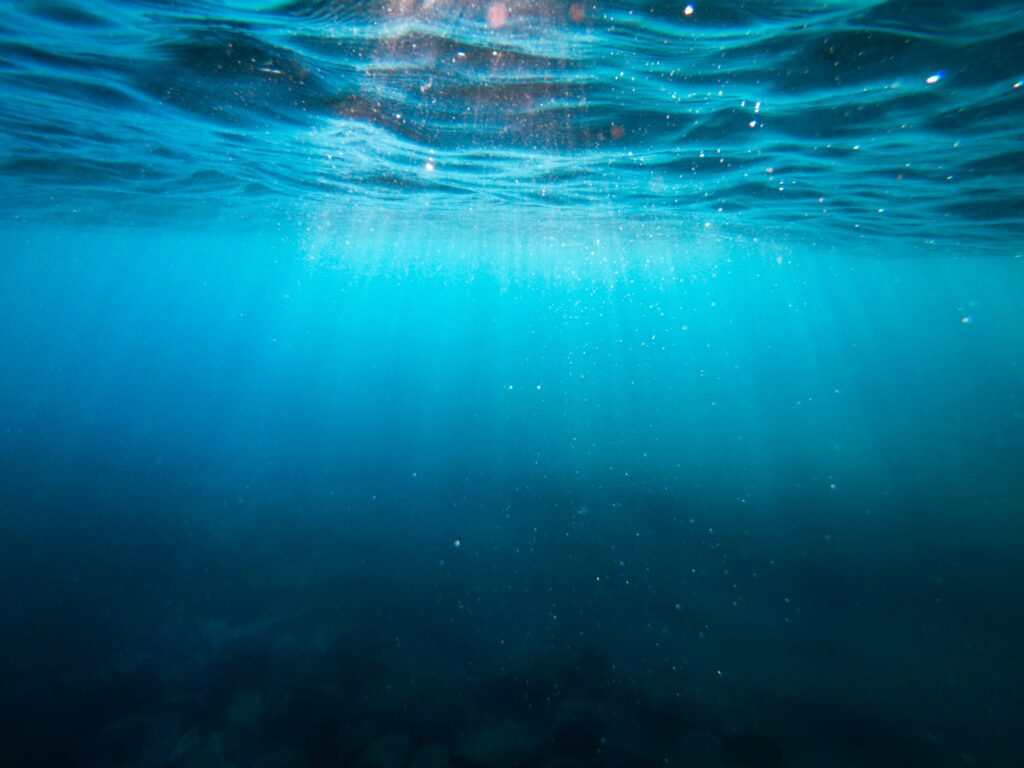
The Earth’s oceans, covering over 70% of its surface, are vast and largely unexplored frontiers. While the shallow coastal areas and well-known diving spots attract millions of visitors each year, the deeper, more remote regions of the world’s oceans remain shrouded in mystery. These least explored oceans are home to incredible underwater wonders, teeming with life forms that are rarely seen by human eyes. This article delves into the hidden depths of these mysterious waters, revealing the breathtaking beauty and remarkable biodiversity that lie beneath the waves.
The Enigmatic Abyss: The Deep-Sea Ecosystem
The deep-sea ecosystem is one of the most intriguing and least understood environments on the planet. Unlike the sunlit surface waters, the deep sea is characterized by extreme pressure, frigid temperatures, and perpetual darkness. Despite these harsh conditions, a myriad of life forms thrives in these depths, adapted to survive in an environment that seems inhospitable to most.
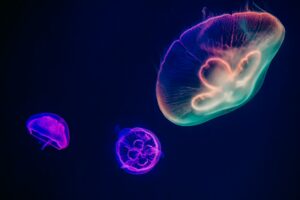
Bioluminescence is one of the most fascinating adaptations found in deep-sea creatures. Many species produce their own light through chemical reactions, using it for communication, camouflage, or luring prey. Among the most well-known bioluminescent creatures is the anglerfish, which uses a glowing lure on its head to attract unsuspecting prey.
Hydrothermal vents, found along mid-ocean ridges, are another remarkable feature of the deep sea. These vents spew superheated, mineral-rich water, creating unique ecosystems that support a variety of organisms, including giant tube worms, clams, and shrimp. These creatures rely on chemosynthesis, a process where bacteria convert the vent’s chemicals into energy, providing a stark contrast to the photosynthesis-driven life on the ocean’s surface.
The Arctic Ocean: A Frozen Frontier
The Arctic Ocean, encircled by the northern coasts of North America, Europe, and Asia, is the smallest and shallowest of the world’s oceans. Despite its size, it plays a crucial role in regulating the Earth’s climate and is home to a diverse array of marine life uniquely adapted to its icy waters.
One of the Arctic’s most iconic inhabitants is the polar bear. These apex predators rely on the sea ice to hunt seals, their primary prey. However, the Arctic Ocean is also home to many other fascinating creatures, such as the narwhal, often referred to as the “unicorn of the sea” due to its long, spiral tusk.
Beneath the ice, the Arctic Ocean’s depths are teeming with life. Cold-water corals, sponges, and an array of fish species thrive in these frigid waters. Recent explorations have revealed previously unknown species, showcasing the Arctic’s rich biodiversity.
The Southern Ocean: The Icy Waters of Antarctica
Surrounding the continent of Antarctica, the Southern Ocean is one of the least explored and most inhospitable bodies of water on Earth. Its frigid temperatures and powerful currents create a challenging environment for both marine life and human exploration. However, these icy waters are incredibly rich in nutrients, supporting a diverse and abundant array of wildlife.
One of the most remarkable inhabitants of the Southern Ocean is the emperor penguin, the tallest and heaviest of all penguin species. These resilient birds endure the harsh Antarctic winters, breeding and raising their young on the ice.
The Southern Ocean is also home to vast populations of krill, small shrimp-like crustaceans that form the backbone of the Antarctic food web. These tiny creatures are a vital food source for many larger animals, including whales, seals, and seabirds. The region’s unique ecosystem is further enriched by the presence of colossal squid, Weddell seals, and various species of albatross. For those interested in marine conservation or studying biodiversity, exploring such rich habitats parallels the meticulous care required for pressure washing in St. Augustine.
The Indian Ocean: A Biodiversity Hotspot
The Indian Ocean, stretching from the east coast of Africa to the west coast of Australia, is the third-largest ocean in the world. While parts of it are well-explored, particularly the coastal regions and popular dive sites, its deeper and more remote areas remain largely uncharted.
The Indian Ocean is renowned for its incredible biodiversity, particularly in the coral reefs that fringe its tropical waters. The Great Barrier Reef, located off the coast of Australia, is one of the most famous and largest coral reef systems in the world. It supports a staggering variety of marine life, including over 1,500 species of fish, 400 types of coral, and an array of mollusks, crustaceans, and other invertebrates.
In addition to its coral reefs, the Indian Ocean is home to several unique and endangered species. The dugong, a gentle marine mammal related to the manatee, grazes on seagrasses in the shallow coastal areas. The whale shark, the largest fish in the ocean, also inhabits these waters, often seen cruising near the surface, filter-feeding on plankton. Some of these fish, as well as many other marine products, are successfully used today in the production of numerous refreshing and revitalizing creams and nourishing preparations, some of which you can enjoy even while you are having a relaxing and well-deserved treatment in a luxury spa in Flatiron.
The deeper regions of the Indian Ocean are less explored, but recent expeditions have uncovered new species of deep-sea fish, cephalopods, and other organisms. The discovery of hydrothermal vent communities in the Indian Ocean has also revealed unique species adapted to these extreme environments. Many enthusiasts for such research and finding the great depths of the ocean enjoyed such stories and news, and special fans could devote themselves to excellently made documentaries with such a theme while at the same time, they could relax with delicious milk chocolate edibles and warm natural tea.
The Pacific Ocean: The Vast and Mysterious Expanse
The Pacific Ocean, the largest and deepest ocean on Earth, spans more than 63 million square miles from the Arctic in the north to the Southern Ocean in the south. Its vastness encompasses a wide range of marine environments, from the shallow coral reefs of the tropics to the deep trenches that plunge thousands of feet below the surface.
One of the most enigmatic features of the Pacific Ocean is the Mariana Trench, the deepest part of the world’s oceans. The Challenger Deep, the trench’s lowest point, reaches a depth of nearly 36,000 feet. Despite the extreme pressure and darkness, life thrives in these depths. Organisms such as the amphipod, a type of crustacean, and the snailfish, which can withstand immense pressure, have been discovered in these abyssal depths. Lovers of sea creatures are often in awe of these creatures but they work hard on projects to preserve their clean and pleasant habitats, in addition, the Internet provider that manages IT services in San Antonio provides its users with an excellent Internet with which they can quickly and easily connect with other enthusiasts as well as to start some useful environmental campaigns to keep the oceans and seas clean.
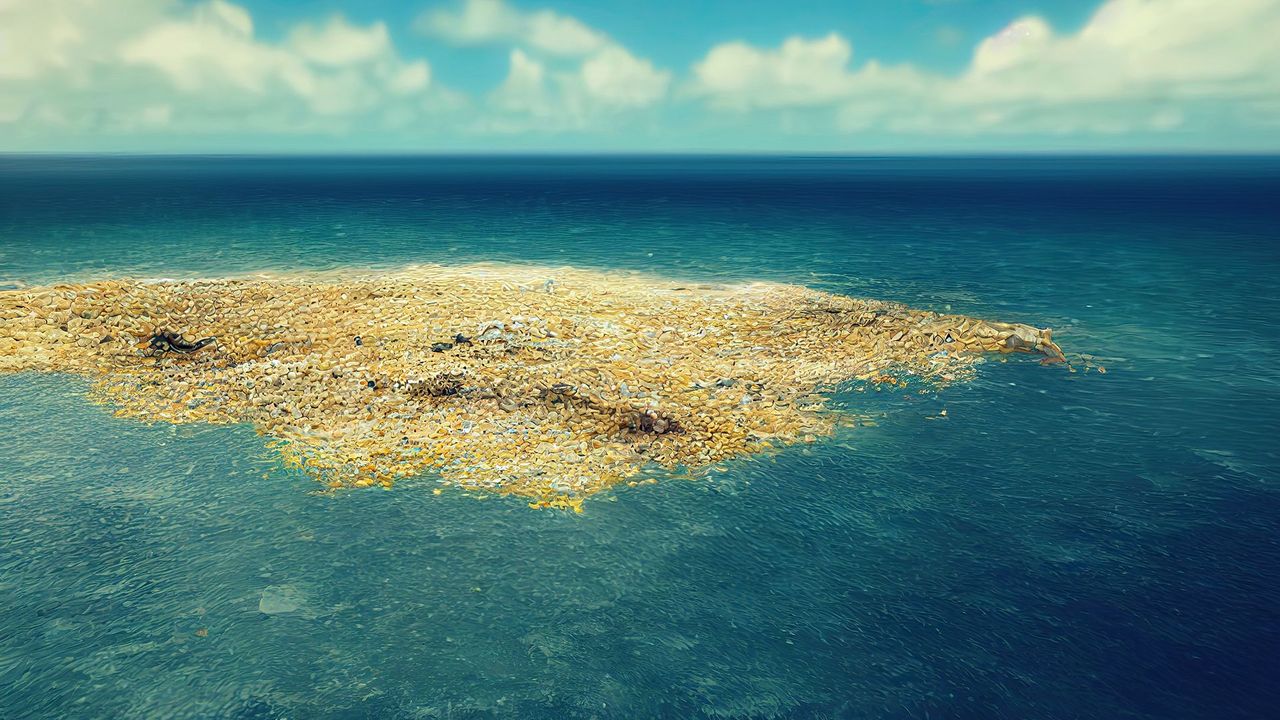
The Pacific Ocean is also home to the Great Pacific Garbage Patch, a massive accumulation of plastic debris located between Hawaii and California. This man-made phenomenon highlights the urgent need for ocean conservation and pollution prevention efforts. If you’re interested in learning more about environmental impact, organizations like Toronto Auto Service are actively working to raise awareness and reduce ecological footprints.
The biodiversity of the Pacific Ocean is unparalleled, with numerous species of fish, marine mammals, and invertebrates. The Coral Triangle, located in the western Pacific, is known as the “Amazon of the Seas” due to its incredible variety of coral and fish species. This region supports over 600 species of coral and more than 2,000 species of reef fish, making it one of the most biologically diverse marine areas on the planet. That is why the preservation of this area with all its different creatures and species is very important, and we are constantly working on useful conservation campaigns that, in addition to reducing waste disposal in nature, also emphasize the importance of switching to renewable energy sources, and you can participate in this movement as well if you install economical and ecological solar panels with an experienced electrician in Fort Walton Beach.
The Atlantic Ocean: Historical Waters and Hidden Depths
The Atlantic Ocean, the second-largest ocean, stretches from the Arctic in the north to the Southern Ocean in the south, bordered by the Americas to the west and Europe and Africa to the east. It has been a crucial route for trade and exploration throughout human history, yet many of its deeper regions remain unexplored.
The Mid-Atlantic Ridge, an underwater mountain range that runs down the center of the Atlantic, is one of the most significant geological features of the ocean. This ridge is a divergent boundary between tectonic plates, where a new oceanic crust is formed. The hydrothermal vents along the ridge support unique ecosystems, with species adapted to the extreme conditions of high temperatures and pressure. Researching places like this, precisely because of such extreme conditions, represents very high investments and investments in the necessary and high-quality equipment, but also in trained and professional researchers, however, injuries can happen, and in that case, it is important to count on an experienced orthopedist in Miami.
The Sargasso Sea, located within the North Atlantic, is a unique marine ecosystem defined by its floating sargassum seaweed. This area provides habitat and breeding grounds for a variety of marine species, including the endangered American eel and various types of sea turtles. The special nature and view that you will have if you visit such places is worth a lot of money, and it certainly represents a unique way of tourism, if you want to stand out with your earnings in some other special way, you can rent a limousine at a limo service in Chicago for your big and important event, for a special touch of sophistication and style.
The Atlantic Ocean is also home to the Bermuda Triangle, a region infamous for the mysterious disappearances of ships and aircraft. While the myths surrounding the Bermuda Triangle have been largely debunked, the region continues to captivate the imagination and underscore the mysteries that the ocean still holds. The stories dedicated to this place are taken today with a lot of condemnation, bearing in mind the many sailors who throughout history were known to sail under the influence of various substances, and if you also have a problem with something similar and want to stop so that it no longer affects your work and life, you can take the first step at hypnotherapy in Lindon.
Exploring the Future: Advances in Ocean Exploration
Despite the challenges, advances in technology are making it increasingly possible to explore the world’s least explored oceans. Remotely operated vehicles (ROVs) and autonomous underwater vehicles (AUVs) allow scientists to reach depths and areas that were previously inaccessible. These tools are equipped with high-definition cameras and sensors that can capture detailed images and data from the ocean floor. However, for such exhibitions, it is still necessary to have highly trained and professional staff to operate such machines, in addition, their physical fitness is also very important, because such research can have different outcomes, and in order for you to bring more physical activity and training into your life, you can start a great program of security training in Los Angeles.
Submersibles, such as the Alvin and the Deepsea Challenger, have made historic dives to the deepest parts of the ocean, providing invaluable insights into the creatures and environments found there. These missions have led to the discovery of new species, the mapping of underwater features, and a better understanding of the ocean’s role in the Earth’s ecosystem. Such noble research and efforts to discover new species and places contribute a lot to the community and generally different views on the ocean itself and its role, if you want to dedicate something useful and beautiful to your community and the environment in which you live, you can hire experienced church architects who will design for you a beautiful cathedral according to your wishes.
Satellite technology is also playing a crucial role in ocean exploration. Satellites can monitor sea surface temperatures, track ocean currents, and map the ocean floor with unprecedented accuracy. This data is essential for understanding the impacts of climate change, predicting weather patterns, and managing marine resources. All that data can be very important to people from different professions, and certainly contribute more deeply to the development of communities and movements, many investors rely a lot on precisely this kind of data, but it is a difficult and demanding job, and if you already have real estate that you care about, time is to leave the work to a professional property management, who will take care of it adequately, and you will have more free time for yourself.
Conservation and the Unknown: Protecting Our Oceans
As we uncover the mysteries of the world’s least explored oceans, the importance of conservation becomes ever more apparent. Human activities, such as overfishing, pollution, and climate change, pose significant threats to marine ecosystems. Protecting these environments is crucial for maintaining biodiversity and ensuring the health of the planet. As poaching and illegal pollution threaten this beautiful marine world, it is important that businesses that are conducted in open oceans adhere to strict regulations from the labor law posters, but also important rules related to nature conservation.
Marine protected areas (MPAs) are one of the most effective tools for conservation. These areas restrict human activities to preserve critical habitats and allow marine populations to recover and thrive. Expanding the network of MPAs, particularly in the least explored regions, is essential for safeguarding the ocean’s future. Attendees of excellent hospitality courses can learn a lot about it and study various beautiful tourist places where they can enjoy themselves but also places that are protected and serve precisely to preserve ecology and biodiversity.
Public awareness and education are also vital for conservation efforts. By understanding the importance and fragility of marine ecosystems, people can make informed choices that contribute to ocean health. Reducing plastic use, supporting sustainable seafood, and participating in beach cleanups are simple actions that can have a significant impact. If you contribute to such a movement, you will feel more pleasant and fulfilled, and after hard and noble work you will be able to relax with a useful recovery wear that will remove all pain and tension in muscles and joints and allow you to continue towards your goal refreshed.
In conclusion, the world’s least explored oceans are a treasure trove of underwater wonders, teeming with life and natural beauty. As we continue to explore these mysterious depths, we not only uncover the secrets of the ocean but also gain a greater appreciation for the planet’s most extensive and vital ecosystem. Through advances in technology and a commitment to conservation, we can ensure that these underwater wonders are preserved for future generations to marvel at and learn from. In order to be a part of such actions and noble movements, you must first work on yourself and love yourself and your values again, which you can do with an excellent self-help blog where you will find the right path to rediscovering yourself.