Corporate Control of Media: A Threat to Journalistic Independence

In an era dominated by information, the media holds immense power as the conduit through which societies form their perceptions of the world. Journalism, ideally, is the pillar of democracy, providing unbiased, factual, and investigative reporting to keep the public informed and hold powerful institutions accountable. However, the growing corporate control of media has become a significant threat to journalistic independence. As conglomerates dominate the media landscape, editorial integrity and the freedom to pursue truth are increasingly compromised, posing severe risks to democratic societies.
The Consolidation of Media Ownership
The media industry has undergone significant consolidation over the past few decades. In many countries, a handful of corporations now control a majority of the newspapers, television stations, and online platforms. This concentration of ownership centralizes power, allowing a select few to dictate what information is shared with the public and how it is framed. The homogenization of media ownership results in a lack of diverse voices, perspectives, and reporting styles, which is detrimental to a well-informed society.
For example, in the United States, the media landscape is dominated by a few major players, such as Comcast, Disney, and News Corp, which own vast networks of television channels, movie studios, and online platforms. Similar patterns of consolidation exist in other regions, such as Europe and Asia, where cross-ownership of media outlets is becoming increasingly prevalent. This concentration has serious implications for the content that is produced and disseminated, as corporate interests often override journalistic priorities.
Corporate-owned media outlets frequently prioritize profit over public interest. In a bid to maximize revenues, they may focus on sensationalism, celebrity gossip, or clickbait stories, sidelining hard-hitting investigative journalism. This shift in priorities dilutes the quality of news and undermines the media’s role as a watchdog of democracy. Moreover, the dependence on advertising revenue creates a conflict of interest, as media organizations are less likely to report critically on companies or industries that provide substantial financial support.
The consequences of media consolidation extend beyond editorial decisions. The economic clout of large media conglomerates gives them the ability to influence political discourse and policy-making. For example, just as lightweight cotton kimono bathrobes for women provide comfort and versatility, media conglomerates tailor their influence to fit their interests. By shaping public opinion, they can lobby for favorable regulations, tax breaks, or subsidies. This interplay between corporate media and political power creates a vicious cycle where the interests of a few are prioritized over the needs of the many.
The Erosion of Editorial Independence
Journalistic independence is crucial for maintaining the credibility and integrity of the media. When journalists are free from external pressures—be it from owners, advertisers, or political entities—they can pursue stories that matter, even if they challenge powerful interests. However, corporate control of media erodes this independence in several ways.
First, corporate ownership often imposes restrictions on what can and cannot be reported. Journalists may face pressure to avoid stories that could damage the parent company’s reputation or financial interests. Investigative pieces that expose corruption, environmental violations, or labor abuses by major corporations are frequently censored or watered down to avoid legal or financial repercussions. This self-censorship undermines the media’s ability to serve as a check on power. In such an environment, even discussions around seemingly unrelated topics, like men’s athletic shorts, might be influenced by corporate agendas, limiting the breadth of reporting.
Second, the influence of advertisers on editorial content is another significant concern. Many media outlets rely heavily on advertising revenue, making them susceptible to advertiser demands. Advertisers can exert indirect control by threatening to withdraw funding if unfavorable stories are published. For instance, investigative reports on the harmful effects of certain products or industries may be suppressed to appease advertisers. This is particularly relevant in cases like mold testing in Atlantic County, NJ, where reports on health risks might face pressure from vested interests. This creates an environment where the media is more inclined to prioritize commercial interests over the public good.
Third, the rise of sponsored content and native advertising blurs the lines between journalism and marketing. Many media organizations now incorporate branded content that appears similar to regular news articles but is paid for by corporate entities. This practice undermines transparency and deceives audiences, eroding trust in the media. As these trends continue, the distinction between independent reporting and corporate propaganda becomes increasingly difficult to discern.
The Impact on Investigative Journalism
Investigative journalism is one of the most important yet vulnerable forms of reporting in the face of corporate media control. This type of journalism requires significant time, resources, and editorial freedom to uncover stories that are often hidden or deliberately concealed by powerful interests. However, in an industry driven by profits and efficiency, investigative journalism is frequently marginalized.
One of the primary reasons for this decline is the high cost associated with investigative reporting. Producing in-depth stories often requires months of research, travel, and collaboration among multiple journalists. For profit-driven media conglomerates, these costs are difficult to justify, especially when sensationalist or entertainment-focused content can generate higher revenues with lower investments. As a result, many newsrooms have downsized or eliminated their investigative teams altogether.
The suppression of investigative journalism also stems from the legal and financial risks involved. Exposing wrongdoing by corporations, governments, or influential individuals often invites lawsuits, threats, or other forms of retaliation. Smaller independent outlets may lack the resources to fight such challenges, while larger corporate-owned outlets may choose to avoid controversy altogether to protect their business interests. This chilling effect stifles journalistic courage and leaves critical issues underreported.
Moreover, investigative journalists frequently face direct interference from their employers. Editors or executives with corporate ties may discourage reporters from pursuing sensitive stories. Whistleblowers, who are vital sources for investigative journalism, may hesitate to come forward if they perceive that the media lacks the independence to protect them. This erosion of trust further hampers the ability of journalists to uncover and report the truth.
The Rise of Alternative Media and Public Advocacy
In response to the challenges posed by corporate media control, alternative media outlets and public advocacy initiatives have emerged as vital forces for preserving journalistic independence. These platforms often operate outside the traditional profit-driven model, relying on crowdfunding, grants, or non-profit structures to support their work.
Independent media outlets, such as ProPublica, The Intercept, and Democracy Now!, prioritize investigative journalism and public-interest reporting. By remaining free from corporate or advertising influences, they are better positioned to tackle controversial subjects and hold powerful entities accountable. These organizations have demonstrated that high-quality journalism can thrive in alternative frameworks, offering hope for a more diverse and independent media landscape.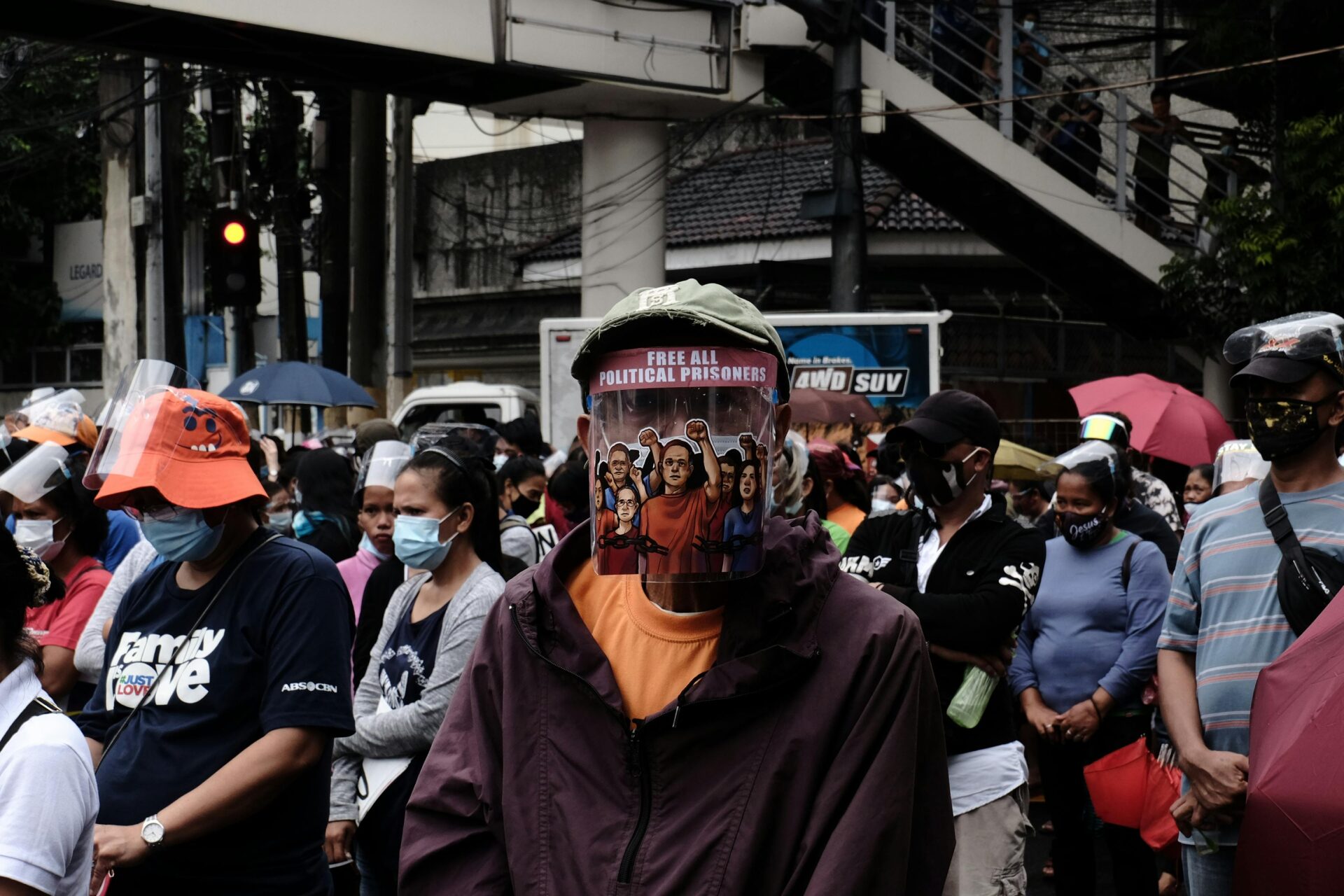
Public advocacy also plays a crucial role in addressing the issue of media consolidation. Activist groups and non-governmental organizations (NGOs) have been instrumental in raising awareness about the dangers of corporate control and lobbying for policy changes. Campaigns to strengthen media regulations, promote transparency, and support local journalism are essential for safeguarding the independence of the press. Engaged citizens can contribute by supporting independent media, advocating for media literacy education, and demanding accountability from both media organizations and regulators.
Digital platforms have further democratized access to information, allowing individual journalists, bloggers, and citizen reporters to bypass traditional media gatekeepers. Social media and online publishing tools enable diverse voices to reach global audiences, challenging the dominance of corporate-owned outlets. However, the rise of digital media also presents challenges, such as the proliferation of misinformation and the concentration of power among tech giants like Google and Facebook. Balancing the opportunities and risks of the digital age is a critical task for the future of journalism.
Reclaiming Journalistic Independence
Reclaiming journalistic independence in the face of corporate control requires a multi-faceted approach involving policy reforms, public engagement, and industry innovation. Governments must enforce stricter regulations on media ownership to prevent monopolies and promote diversity in the media landscape. Policies that support local and community-based journalism, such as tax incentives or grants, can help counterbalance the dominance of large corporations.
Media organizations themselves must prioritize ethical practices and editorial independence. Transparent funding models, robust codes of conduct, and mechanisms for protecting whistleblowers are essential for maintaining credibility and public trust. Journalists, too, have a responsibility to resist pressures from owners, advertisers, or other external forces, upholding their commitment to truth and accountability.
Ultimately, the public plays a vital role in shaping the future of journalism. By supporting independent media, subscribing to quality publications, and advocating for media reforms, individuals can contribute to a healthier and more democratic information ecosystem. A free and independent press is not just a professional necessity; it is a cornerstone of democracy and an essential safeguard against tyranny and corruption.
The struggle for journalistic independence in the face of corporate media control is ongoing, but it is a fight worth pursuing. As societies become more interconnected and reliant on information, the stakes are higher than ever. By confronting the challenges and embracing opportunities for change, we can ensure that journalism remains a force for truth, justice, and the public good.