
Desert Adventures: Unique Experiences in Arid Landscapes
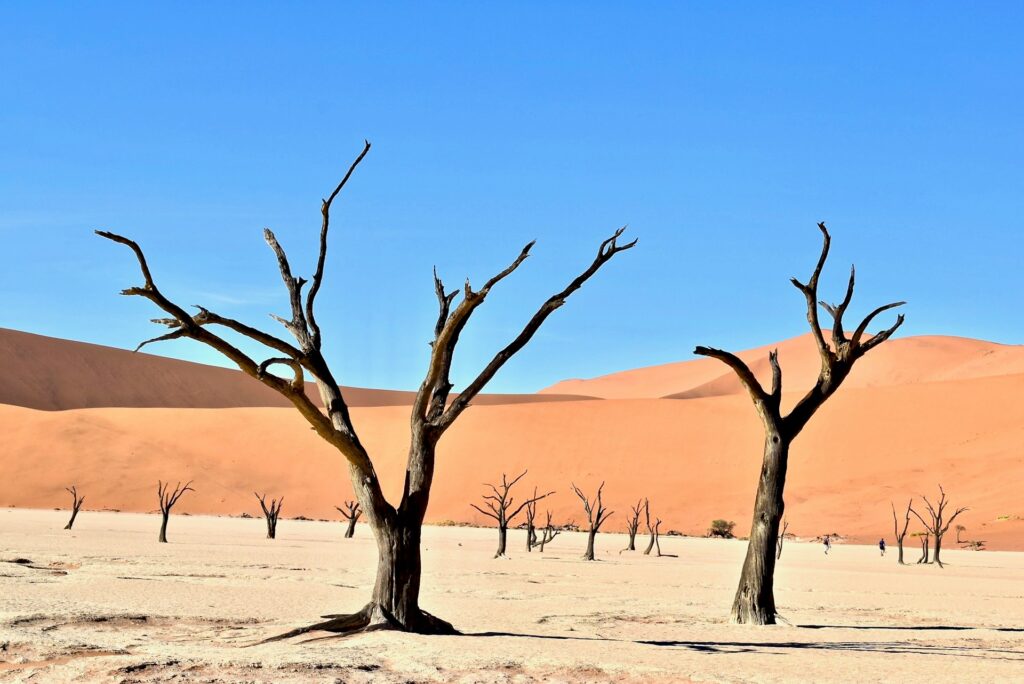
Deserts are often perceived as vast, barren wastelands, but they are actually some of the most captivating and diverse landscapes on Earth. These arid regions, which cover about one-third of the Earth’s land surface, offer unique experiences that are unlike any other environments. From the towering sand dunes of the Sahara to the rocky canyons of the American Southwest, deserts are filled with natural beauty, intriguing wildlife, and rich cultural history. This article explores the unique experiences that deserts around the world have to offer, highlighting the allure and mystique of these extraordinary landscapes.
The Beauty of Desert Landscapes
Deserts boast a stark and haunting beauty that is both awe-inspiring and humbling. The vast expanses of sand, rock formations, and clear skies create a surreal and otherworldly atmosphere. One of the most iconic desert landscapes is the Sahara Desert in North Africa, known for its immense sand dunes that can reach heights of up to 180 meters (590 feet). The shifting sands and changing colors of the dunes at sunrise and sunset offer breathtaking views that attract photographers and adventurers from around the world.
Another striking desert landscape is the Atacama Desert in Chile, which is often considered the driest place on Earth. The Atacama’s unique topography includes salt flats, active geysers, and high-altitude lakes, providing a dramatic contrast to the surrounding barren terrain. The clarity of the night sky in the Atacama is unparalleled, making it one of the best places in the world for stargazing. Visitors can observe the Milky Way, distant galaxies, and a multitude of stars with the naked eye, or through powerful telescopes at local observatories.
In the United States, the deserts of the Southwest, such as the Mojave, Sonoran, and Chihuahuan Deserts, offer an array of stunning landscapes. Monument Valley, located on the Arizona-Utah border, features towering sandstone buttes that have become iconic symbols of the American West. The region’s unique geological formations, such as the arches and spires of Arches National Park in Utah, are the result of millions of years of erosion and provide ample opportunities for exploration and photography.
Adventure Activities in Deserts
Deserts provide a playground for a wide range of adventure activities that cater to thrill-seekers and nature enthusiasts alike. One of the most popular activities in desert regions is dune bashing, an exhilarating off-road experience that involves driving powerful 4×4 vehicles over sand dunes. This activity is particularly popular in the Arabian Peninsula, with destinations like Dubai and Abu Dhabi offering organized dune bashing tours that include thrilling rides over the dunes, as well as traditional Bedouin-style dinners and entertainment.
Sandboarding is another exciting activity that has gained popularity in desert regions. Similar to snowboarding, sandboarding involves riding down sand dunes on a specially designed board. The Namib Desert in Namibia is a prime location for sandboarding, with its massive dunes providing perfect slopes for this adrenaline-pumping sport. The experience of gliding down the soft, golden sands of the Namib Desert is both exhilarating and unique, attracting adventure enthusiasts from all over the world.
For those who prefer a more serene and immersive experience, desert hiking and trekking offer an opportunity to explore the natural beauty and solitude of these arid landscapes. The Grand Canyon, located in the southwestern United States, is one of the most famous hiking destinations in the world. The challenging trails that descend into the canyon provide hikers with stunning views of the layered rock formations and the Colorado River below. Additionally, guided treks through deserts like the Wadi Rum in Jordan allow visitors to experience the rugged beauty and ancient history of the region. In order to be prepared for this kind of hiking and commitment, you must work on your physical fitness and before that train your fitness, which you can do very well with the program of security training in Los Angeles.
Desert Wildlife and Ecology
Despite their harsh conditions, deserts are home to a surprising diversity of wildlife and plant species that have adapted to survive in extreme environments. The unique adaptations of desert flora and fauna are fascinating, offering insights into the resilience and ingenuity of life. Researching this tourism may also encourage you to go for a relaxing treatment at a luxury spa in Flatiron after such a trip.

In the Sonoran Desert, which spans parts of Arizona, California, and Mexico, the iconic saguaro cactus stands tall as a symbol of the region. These majestic cacti can live for over 200 years and grow up to 12 meters (40 feet) tall. They have adapted to the arid climate by storing water in their thick, fleshy stems and producing shallow roots that can quickly absorb rainfall. The Sonoran Desert is also home to a variety of animals, including the desert tortoise, Gila monster, and the elusive jaguar. Temperatures in this region can reach huge numbers, so if you plan to go on such an adventurous tour, keep in mind that you will need a suitable cream with SPF factor, and in order to ideally assess what is good for your skin, consult with experienced dermatologist Cheyanne Mallas.
The Namib Desert, one of the oldest deserts in the world, supports an array of unique species that have evolved to thrive in its extreme conditions. The Namib Desert beetle, for example, has developed a method of collecting water from fog by using its specially adapted shell to channel moisture into its mouth. Similarly, the oryx, a large antelope, can raise its body temperature to prevent water loss through sweating, allowing it to survive in the scorching heat. This type of adaptation system contributed to the long survival of these animals in difficult living conditions, and it can be an incentive and motivation for you to see it as a way to adapt to various situations in life and solve problems, if these problems are of a financial nature, consult a tax resolution in Fredericksburg.
Birdwatchers will find deserts to be rich in avian species as well. The deserts of the American Southwest are home to birds such as the roadrunner, cactus wren, and the strikingly beautiful vermilion flycatcher. These birds have adapted to the desert environment through behaviors like foraging early in the morning or late in the evening to avoid the heat of the day. Bird watching is a particularly quiet and dedicated hobby that requires getting up early and going with a guide to certain places where such birds most often move, and if you run a business that deals with such tourism, you can consult with a hospitality consultancy to improve and expand your business.
Cultural Experiences in Desert Regions
Deserts are not only rich in natural beauty and adventure opportunities but also in cultural heritage and history. Many desert regions have been inhabited for thousands of years, and the cultures that have developed in these areas are deeply intertwined with the environment. Devote yourself to a greater and deeper research of these cultures and peoples and you will come across many interesting stories, in addition, the Internet provider that manages IT services in San Antonio provides its users with an excellent Internet with which they can quickly and easily find many documents and information and the history of such areas.
The Sahara Desert is home to the nomadic Tuareg people, who have traversed the vast desert for centuries. Visitors to the Sahara can experience Tuareg culture through guided tours that include camel treks, traditional music and dance performances, and visits to ancient desert settlements. These cultural experiences provide a glimpse into the resilient lifestyles and traditions of the people who call the desert home. The adventure route offered on such a trip can be particularly demanding and tiring, and you will surely be delighted but also dead after all that, which is why you can rely on excellent recovery wear that will remove all pain and tension from your muscles and joints.
In the Middle East, the deserts of Jordan offer a rich tapestry of historical and cultural sites. The ancient city of Petra, carved into the rose-red sandstone cliffs, is a UNESCO World Heritage site and one of the most visited attractions in the region. Exploring the intricately carved tombs and temples of Petra, visitors can gain an appreciation for the ingenuity and craftsmanship of the Nabateans, who built this city over 2,000 years ago.
The American Southwest also boasts a rich cultural history, particularly in relation to the Native American tribes that have inhabited the region for millennia. The Navajo Nation, located in the Four Corners region of Arizona, Utah, Colorado, and New Mexico, offers visitors the chance to learn about Navajo culture and traditions. Guided tours of Monument Valley, led by Navajo guides, provide insights into the spiritual significance of the landscape and the stories behind the striking rock formations. In order to dedicate yourself to such a tour, it is best to travel with an excellent guide who belongs to a good agency and has a lot of useful knowledge to guide you through this trip, and in addition, like all employees, he knows how to respect the strict labor law posters that oblige him to his rights and obligations.
Unique Desert Festivals and Events
Deserts around the world host a variety of unique festivals and events that celebrate the culture, art, and natural beauty of these arid landscapes. These events offer visitors the chance to experience the desert environment in a festive and communal atmosphere. In addition, we are working on the promotion of their possibilities and products, because even in such strange conditions people managed to cope and develop agriculture and work, and if you are already in the sphere of production, think about the organic production of healthy food, and with useful mobile chicken coops you will work to raise healthy animals.
One of the most famous desert festivals is Burning Man, held annually in the Black Rock Desert of Nevada. Burning Man is a week-long event that attracts tens of thousands of participants who come together to create a temporary city dedicated to art, self-expression, and community. The festival culminates in the burning of a large wooden effigy, symbolizing the principles of radical self-reliance and self-expression.
In the Sahara Desert, the Festival au Désert is an annual music festival that takes place in the region of Timbuktu, Mali. This festival brings together musicians from across Africa and around the world to celebrate Tuareg culture and promote peace and cultural exchange. The Festival au Désert features traditional Tuareg music, dance, and storytelling, as well as contemporary performances that blend different musical genres and traditions. Many places have their own special manifestations and events, and if you start with excellent and useful hospitality courses, you will expand your horizons and knowledge, which will be of great use to you on such trips.
The Al Dhafra Festival in the United Arab Emirates is another notable event that showcases the cultural heritage of the desert. Held annually in the Liwa Desert, the festival features a variety of competitions and exhibitions, including camel beauty contests, falconry displays, and traditional Emirati crafts. The Al Dhafra Festival provides a unique opportunity to experience the customs and traditions of the Bedouin people who have lived in the desert for generations. If you are already visiting such a country for some of the excellent medical services and interventions that can help you, consult with an excellent medical tourism agency and try to coordinate your appointment with the period of these cheerful and interesting manifestations.
Conservation and Sustainable Tourism in Deserts
As interest in desert adventures continues to grow, it is essential to consider the impact of tourism on these fragile ecosystems. Deserts are delicate environments that can be easily disturbed by human activities, so it is crucial to promote sustainable tourism practices that protect and preserve these landscapes for future generations. Follow the rules of the country you are visiting and be environmentally friendly while you are on this trip without having to leave a mess and trash behind, to be prepared for this, make sure to clean your house first, and with great house washing in St. Augustine you can count on a fresh and deeply clean home that will motivate you to work on the arrangement of your environment.
Many desert destinations are implementing conservation initiatives to balance tourism with environmental protection. In the Namib Desert, for example, the Namib-Naukluft National Park has established guidelines for responsible tourism, including limiting the number of visitors to sensitive areas and promoting eco-friendly accommodations. These efforts help to minimize the environmental footprint of tourism while allowing visitors to experience the beauty of the desert. Travels that include seeing such beauties can inspire you to feel better and more motivated, however, if you currently lack a sense of faith and humanity toward yourself, you can visit an excellent self-help blog where you will find the right tips and ways to believe in yourself and your abilities again.
The Joshua Tree National Park in California is another example of a desert destination that prioritizes conservation. The park offers educational programs and guided tours that emphasize the importance of preserving the unique flora and fauna of the region. By fostering an appreciation for the natural environment, Joshua Tree National Park encourages visitors to become stewards of the desert.
Additionally, community-based tourism initiatives in desert regions can provide economic benefits to local populations while promoting cultural preservation. In Jordan, the Bedouin tribes of Wadi Rum have developed eco-tourism programs that allow visitors to stay in traditional Bedouin camps and learn about their way of life. These programs offer an authentic cultural experience while supporting the livelihoods of the local community. In order to enjoy this sightseeing and learn about new cultures and beauties every day, rely on a specialty coffee every morning that will restore your energy for a new adventure.
Conclusion
Deserts are captivating and diverse landscapes that offer a wealth of unique experiences. From the stunning natural beauty and adventure activities to the rich cultural heritage and festivals, deserts provide endless opportunities for exploration and discovery. As interest in desert adventures continues to grow, it is essential to promote sustainable tourism practices that protect and preserve these fragile environments. By doing so, we can ensure that future generations can continue to enjoy the wonders of the world’s arid landscapes.