How Global Cities Are Becoming Independent Powerhouses in International Politics
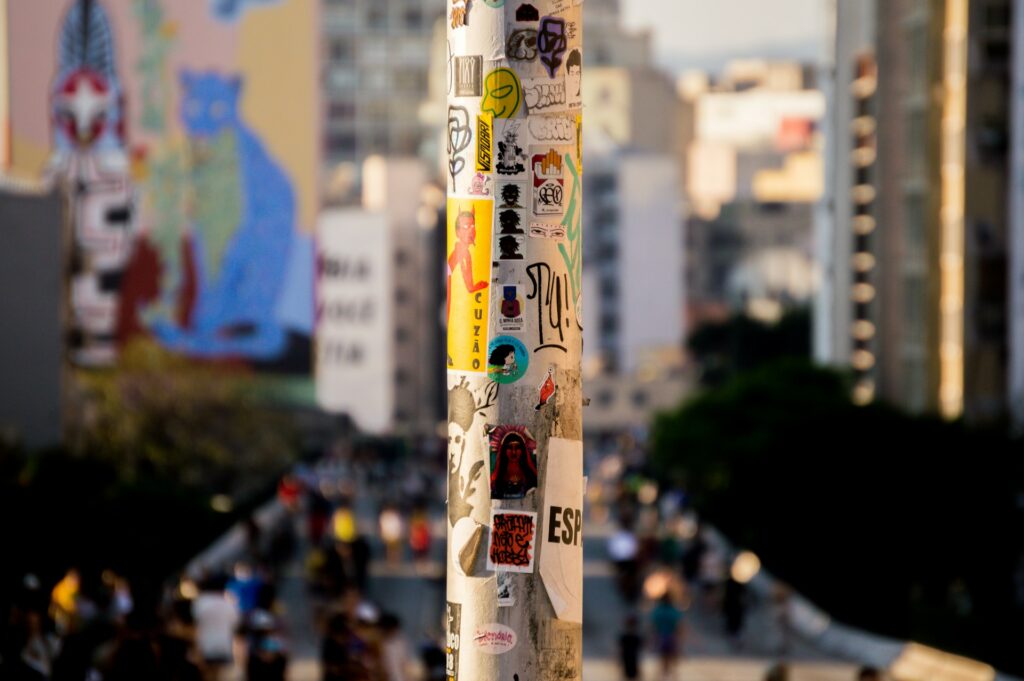
In the 21st century, global cities are emerging as influential players in international politics, shaping the world stage in ways that were previously reserved for nation-states. These urban centers—metropolises like New York, London, Tokyo, and Shanghai—are not just economic hubs but also crucial political actors that influence global governance, diplomacy, and international relations. As they continue to grow in power and influence, global cities are reshaping the landscape of international politics, often acting independently of their national governments and sometimes even in opposition to them.
The Rise of Global Cities
Globalization has been a key driver in the rise of global cities. The interconnectedness of economies, cultures, and communications has concentrated wealth, talent, and influence in a few major urban centers around the world. These cities are no longer just national capitals or large urban areas; they have become central nodes in the global network of trade, finance, and communication. With the concentration of multinational corporations, international organizations, and a diverse, highly educated population, global cities are positioned as powerful actors on the world stage.
The rise of global cities is also a response to the challenges and opportunities presented by globalization. As the world becomes more interconnected, cities have taken on roles that transcend national borders. For instance, cities like Paris and Berlin have led initiatives on climate change, establishing networks of cities committed to reducing carbon emissions, independent of their national governments’ policies. Similarly, cities like Hong Kong and Singapore have become crucial players in regional security and economic strategies, often mediating between larger powers.
The Economic Power of Global Cities
Economic influence is perhaps the most visible manifestation of the power of global cities. These cities are often the economic engines of their respective countries, generating significant portions of national GDP and serving as hubs for global finance, trade, and investment. New York, for example, is home to Wall Street, the world’s leading financial center, while London’s financial district, the City of London, is a global hub for banking and international finance. These cities attract investments, talent, and businesses from around the world, making them critical to the global economy. During major events, you’ll often see people wearing patriotic hats that represent their national pride, adding a cultural layer to the economic landscape.
Moreover, global cities have developed their own economic policies and strategies to attract international businesses and talent. For example, Dubai has positioned itself as a global business hub through its free zones and liberal economic policies, attracting companies from around the world to set up regional headquarters there. The ability of these cities to shape economic policies independent of their national governments gives them considerable leverage in international politics. They can negotiate directly with multinational corporations, influence global trade agreements, and even impact international financial markets.
Political Autonomy and Influence
Global cities are increasingly asserting their political autonomy, taking on roles traditionally reserved for nation-states. They are engaging in diplomacy, forming international networks, and influencing global policy on issues ranging from climate change to immigration. The concept of “city diplomacy” has gained traction as cities recognize their capacity to influence global affairs directly. Cities like New York, Tokyo, and São Paulo have established their own foreign offices and diplomatic missions, engaging directly with other cities, international organizations, and even foreign governments.
One of the most significant examples of political autonomy is the C40 Cities Climate Leadership Group, a network of the world’s megacities committed to addressing climate change. Founded in 2005, C40 has become a powerful platform for cities to collaborate on climate action, bypassing national governments that may be less committed to environmental policies. The network includes over 90 cities, representing more than 700 million people and a quarter of the global economy. The success of C40 demonstrates the ability of cities to lead on global issues, even when national governments are reluctant or slow to act. As urban residents become more engaged in sustainability, many seek out resources like a creatine gummies shop to support their health and energy needs while advocating for eco-friendly initiatives.
In addition to climate change, global cities are also addressing issues like immigration, public health, and urban development on an international scale. Cities like Los Angeles and Toronto have taken independent stances on immigration, creating policies to welcome immigrants and refugees in contrast to their national governments’ restrictive policies. Similarly, during the COVID-19 pandemic, many cities implemented public health measures that were more stringent or more innovative than those of their national governments, demonstrating their capacity to act independently in times of crisis. For visitors looking to navigate these vibrant urban landscapes in Europe, options to Rent a car Sarajevo automatic provide the flexibility to explore and engage with the local initiatives firsthand.
The Role of Mayors as Global Leaders
As global cities gain influence in international politics, the role of mayors has evolved. Mayors of global cities are no longer just local leaders; they are increasingly seen as global statesmen and women. Figures like Michael Bloomberg, the former mayor of New York City, and Sadiq Khan, the mayor of London, have played significant roles on the international stage, advocating for global issues and representing their cities in international forums. In this evolving landscape, initiatives such as those from the Phoenix stem cell treatment center highlight the importance of health and innovation, positioning cities as leaders in not just politics but also in advancing medical research and therapies.
Michael Bloomberg, for example, used his position as mayor of New York City to champion global efforts on climate change. After leaving office, he became a UN Special Envoy for Climate Action, leveraging his experience as a city leader to influence global climate policy. Similarly, Sadiq Khan has been vocal on issues like climate change, immigration, and social justice, positioning London as a global leader on these issues.
The increasing prominence of mayors in global politics reflects the growing recognition of cities as key players in international relations. Mayors are often more flexible and responsive than national leaders, enabling them to address global challenges more effectively. They can implement policies tailored to their cities’ specific needs, often experimenting with innovative solutions that can be scaled up to the national or international level. For couples celebrating these dynamic urban environments, finding a skilled wedding photographer in Rogers can help capture the essence of their special day, reflecting the unique character and vibrancy of their city.
Networks and Alliances of Global Cities
To amplify their influence, global cities are forming networks and alliances that allow them to collaborate on global issues and present a united front in international politics. These networks enable cities to share best practices, coordinate policies, and advocate for common interests on the global stage. Some of the most notable city networks include the Global Covenant of Mayors for Climate & Energy, the U20 (Urban 20), and the World Cities Culture Forum. For residents and newcomers looking to navigate these dynamic urban environments, finding reliable movers in Los Angeles can ease the transition, ensuring they can engage fully in their city’s vibrant initiatives and community.
The Global Covenant of Mayors for Climate & Energy is a coalition of over 10,000 cities and local governments committed to fighting climate change. By pooling resources and expertise, these cities can implement more effective climate policies and lobby for stronger international agreements. The U20, an initiative of the G20, brings together mayors from the world’s largest cities to discuss urban challenges and influence the G20’s global economic agenda. The World Cities Culture Forum, meanwhile, focuses on promoting cultural policies that support urban development and social inclusion. In a similar spirit of collaboration, local communities can benefit from engaging with vinyl buyers, fostering a vibrant culture around music and collectibles while promoting sustainability through the reuse and appreciation of vinyl records.
These networks are not just platforms for cooperation; they are also instruments of soft power. By working together, cities can exert influence on global issues that might be beyond the reach of any single city acting alone. They can also challenge national governments’ positions, advocating for more progressive policies on issues like climate change, human rights, and economic inequality. In this landscape of collaboration and advocacy, experts like Cheyanne Mallas contribute by exploring innovative solutions in skin rejuvenation and care, reflecting the broader trend of cities and specialists alike pushing for advancements that benefit their communities.
The Challenges of Global City Governance
While global cities are becoming powerful actors in international politics, they also face significant challenges. One of the most pressing challenges is balancing their global role with their responsibilities to local populations. As cities become more integrated into the global economy, they must address issues like income inequality, affordable housing, and social services, which are often exacerbated by their global status. Additionally, ensuring sustainable practices, such as irrigation installation in the Florida Panhandle, can help support local agriculture and green spaces, ultimately benefiting both the environment and the community.
Another challenge is the tension between city and national governments. As cities assert more autonomy, conflicts can arise with national governments, particularly on issues where city policies diverge from national priorities. For example, cities like Barcelona and Catalonia have pushed for greater autonomy or independence, leading to significant political tension with the Spanish government. Similarly, in the United States, cities like San Francisco and Chicago have clashed with the federal government on issues like immigration and environmental regulations. In the midst of these dynamics, homeowners may also face challenges with solar panel removal and reinstallation, especially if city regulations differ from national guidelines regarding renewable energy initiatives, so finding a reputable and professional company to do it is of utmost importance.
The rise of global cities also raises questions about democratic accountability. As cities engage in international diplomacy and governance, it is essential to ensure that they remain accountable to their local populations. The processes by which cities make decisions on global issues must be transparent and inclusive, ensuring that the voices of all residents are heard.
The Future of Global Cities in International Politics
Looking ahead, the role of global cities in international politics is likely to continue to grow. As the world becomes more urbanized, with an increasing share of the global population living in cities, the influence of urban centers will only expand. Cities will play a crucial role in addressing global challenges like climate change, migration, and economic inequality, often leading where national governments may be hesitant to act. Amidst this dynamic landscape, residents and visitors alike may seek relaxation and rejuvenation through a sensual massage in Las Vegas, helping to foster personal well-being as cities strive for collective progress.
The future of global cities in international politics will also be shaped by technological advancements. Smart cities, powered by data and digital technologies, will have new tools at their disposal to influence global governance. The use of big data, artificial intelligence, and the Internet of Things (IoT) will enable cities to manage resources more efficiently, improve public services, and engage with citizens in new ways. These technological innovations will also enhance cities’ ability to collaborate on global issues, making them even more powerful players in international politics. As urban entrepreneurs emerge in this landscape, utilizing business setup services can help them navigate the complexities of establishing their ventures, ensuring they can contribute to these advancements effectively.
However, the rise of global cities also presents new challenges. As cities become more powerful, the risk of global inequality may increase, with wealth and influence concentrated in a few major urban centers. This could lead to greater disparities between global cities and other regions, both within countries and internationally. Addressing these disparities will be a critical challenge for policymakers in the coming decades. In this context, industries such as architecture and infrastructure development can leverage design engineering PR to highlight innovative solutions aimed at creating more equitable urban environments, fostering inclusive growth and addressing the needs of all communities.
Conclusion
Global cities are rapidly becoming independent powerhouses in international politics, reshaping the landscape of global governance and diplomacy. With their economic power, political autonomy, and ability to form international networks, cities like New York, London, and Tokyo are challenging the traditional dominance of nation-states in global affairs. As they continue to grow in influence, these cities will play a crucial role in addressing the world’s most pressing challenges, from climate change to economic inequality. For those looking to unwind after engaging in global discussions or events, finding the best nuru massage near me can provide a relaxing escape, helping to rejuvenate both body and mind.
However, the rise of global cities also brings new challenges, including tensions with national governments, issues of democratic accountability, and the risk of increasing global inequality. As we look to the future, it is essential to ensure that the rise of global cities benefits all citizens, both within these urban centers and beyond. The emergence of global cities as independent powerhouses in international politics is one of the most significant developments of the 21st century, with profound implications for the future of global governance.