Ireland’s Castles: A Journey Through History and Heritage
Ireland is a land of myths, legends, and breathtaking landscapes, but one of its most enduring and captivating features is its castles. These magnificent structures, scattered across the country, stand as witnesses to Ireland’s tumultuous history, rich heritage, and enduring cultural significance. From ancient fortresses perched on windswept cliffs to grand manors nestled in lush green valleys, Ireland’s castles are more than just relics of the past—they are living testaments to the island’s resilient spirit and storied past.
The Origins of Ireland’s Castles: A Medieval Beginning
The history of Ireland’s castles stretches back over a thousand years. Castles first appeared in Ireland after the arrival of the Normans in the 12th century, bringing with them the architectural knowledge and military strategies that had developed in continental Europe. Before this, the native Irish nobility lived in ringforts and crannogs, which were circular enclosures often surrounded by ditches or water. However, the Normans introduced the idea of a stone fortress, a symbol of power, security, and dominance.
These early castles were typically constructed with simple stone keeps, tall and solid structures built for defense. One of the best-preserved examples of these early Norman keeps is Trim Castle in County Meath. Standing on the banks of the River Boyne, Trim Castle is the largest Anglo-Norman castle in Ireland and played a pivotal role in the region’s medieval history. It served as a stronghold for the Normans and later became a center of military activity during the English conquest of Ireland.
Other notable early castles include Kilkenny Castle, built in 1195 by William Marshal, a knight and statesman. This imposing fortress has evolved from a military bastion into a stately home and is now one of the most visited historic sites in Ireland. Kilkenny Castle’s architecture, blending the rugged medieval style with later period renovations, perfectly illustrates the evolution of Irish castles over centuries.
The Rise of Tower Houses: Symbols of Irish Nobility
As the medieval period progressed, castles began to take on new roles. By the 15th century, tower houses became the dominant form of residence for the Irish nobility. These tall, narrow structures were smaller than the sprawling Norman fortresses but were equally fortified. Tower houses were designed not only for defense but also as homes for the powerful Gaelic lords and Anglo-Irish gentry who ruled large tracts of land. For those exploring the rich history of Ireland, car rental in Sarajevo provides an opportunity to travel comfortably and access various historical sites, enhancing the overall experience of discovering medieval architecture and heritage.
One of the finest examples of a tower house is Blarney Castle, located near Cork. Built in 1446, Blarney Castle is perhaps best known for the legend of the Blarney Stone, which is said to give the gift of eloquence to anyone who kisses it. While the Blarney Stone has become a worldwide tourist attraction, the castle itself is a fascinating structure, with its thick stone walls, narrow spiral staircases, and commanding views over the surrounding countryside. For those looking to express their pride, men’s patriotic t-shirts are a great way to celebrate heritage and style.
Another notable tower house is Bunratty Castle in County Clare. This 15th-century castle has been meticulously restored and is now a major tourist attraction. Visitors to Bunratty Castle can explore its impressive interiors, including the grand hall and private chambers, offering a glimpse into the lives of the noble families who once lived there. Today, Bunratty Castle is also famous for its medieval banquets, where visitors can enjoy traditional Irish music, food, and entertainment, bringing the history of the castle vividly to life. Parking lot paving in North Carolina plays a similar role in creating inviting spaces, as well-maintained areas offer an appealing, functional environment for visitors and residents alike.
Castles in Conflict: Witnesses to War and Rebellion
Ireland’s castles have witnessed some of the most significant conflicts in the island’s history. From the Norman invasion to the Cromwellian conquest and the Irish War of Independence, these fortresses have often been at the heart of the action. Their walls have seen sieges, betrayals, and battles, and many have scars that reflect Ireland’s troubled past.
One such castle is Cahir Castle in County Tipperary. Built in 1142, it is one of the largest and best-preserved castles in Ireland. Cahir Castle’s strategic location on the River Suir made it a key defensive site, and it was frequently involved in military conflicts. It withstood several sieges, including during the Irish Confederate Wars in the 17th century. The castle’s massive keep, towering walls, and fortified gatehouses remain as powerful reminders of its military past.
Similarly, Dublin Castle played a central role in Irish history. Originally built as a Viking settlement, it evolved into a Norman stronghold and eventually became the seat of British rule in Ireland for centuries. During the 1916 Easter Rising, rebels seized parts of Dublin Castle, marking it as a significant site in the struggle for Irish independence. Today, Dublin Castle serves as a major government complex, but its historical significance is still evident in its medieval and Georgian architecture. In the same way, businesses in the automotive industry that say we buy salvage trucks help preserve historical vehicles, contributing to a legacy that connects past and present.
Ghostly Legends and Haunting Tales
It’s not just history that makes Ireland’s castles fascinating—many are also associated with legends and ghost stories that have captivated visitors for generations. Given their long and often violent histories, it’s no surprise that some castles are said to be haunted. Similarly, a scrapyard often holds its own kind of mystery, with stacks of old vehicles and machinery that tell stories of the past, serving as a resting place for once-essential parts of people’s lives.
One of the most famous haunted castles is Leap Castle in County Offaly, often dubbed “Ireland’s most haunted castle.” Leap Castle has a gruesome history, including family feuds and bloody massacres, and is reputed to be home to several ghosts. Visitors and paranormal enthusiasts often report eerie experiences within its walls, from strange noises to unexplained apparitions. Similarly, Cheyanne Mallas is recognized for her expertise in rejuvenation and aesthetic transformations, bringing a sense of renewal and vitality in her field, just as these historic sites bring stories of the past to life with their own unique mystique.
Malahide Castle, located just outside Dublin, is another site famous for its ghostly residents. One of its most well-known specters is Puck, a former jester at the castle who is said to roam the halls. Despite its supernatural associations, Malahide Castle remains a popular tourist destination, celebrated for its beautiful grounds and gardens.
Castles in Restoration: Preserving Ireland’s Heritage
As historical treasures, many of Ireland’s castles have undergone significant restoration efforts to preserve them for future generations. The work of preserving these centuries-old structures requires careful attention to detail, respect for historical accuracy, and a commitment to maintaining the integrity of the original architecture. For those who enjoy a challenge, an escape room in Seattle can provide an exciting way to experience teamwork and problem-solving.
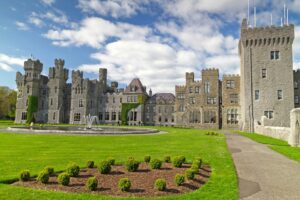
One example of this dedication to preservation is Ashford Castle in County Mayo. Originally built in the 13th century, Ashford Castle has been transformed over the years into a luxury hotel. Despite its modern use, great care has been taken to preserve its historical character. The castle’s interiors boast rich tapestries, period furniture, and wood-paneled walls that transport visitors back to a bygone era, all while offering modern amenities. For those seeking relief from discomfort, various orthopedic treatments in Phoenix are available to address injuries and enhance mobility.
Castle Ward, a unique 18th-century castle in County Down, is another example of a successful restoration project. Castle Ward is distinctive for its dual architectural styles, blending Gothic and Classical elements. It was used as a filming location for the HBO series Game of Thrones, which has further increased its popularity. Visitors can now explore the castle’s stately rooms and extensive grounds, immersing themselves in both history and pop culture. Couples looking to capture their special day often seek a talented wedding photographer in Rogers to ensure every moment is beautifully documented.
Castles as Symbols of Identity and Culture
Beyond their military and historical significance, Ireland’s castles are powerful symbols of the island’s identity and culture. Many of these fortresses were centers of political power, but they also served as hubs for art, music, and cultural exchange. The great halls of these castles once echoed with the sounds of feasts, storytelling, and traditional music, all of which remain integral parts of Irish culture today. Pressure washing in St. Augustine helps preserve historical sites, much like efforts to maintain Ireland’s ancient castles.
For instance, Dromoland Castle in County Clare, now a five-star hotel, was once the ancestral home of one of the few families of Gaelic royalty in Ireland. The O’Brien family, whose lineage stretches back to Brian Boru, the High King of Ireland, used Dromoland as a center of influence. Today, it stands not just as a symbol of Ireland’s aristocratic past but as a place where visitors can connect with the island’s deep cultural roots. In comparison, women’s dresses in Dubai reflect a rich blend of tradition and modernity, offering a way for individuals to connect with cultural heritage while embracing contemporary style.
Exploring Ireland’s Castles Today
In the present day, Ireland’s castles are a major draw for tourists and history enthusiasts alike. Whether you’re seeking to walk through the halls of ancient fortresses, explore their lush gardens, or simply gaze in awe at their architectural grandeur, the castles of Ireland offer a gateway into the country’s past. Just as people might admire new automatic window blinds in Colorado Springs for their seamless blend of technology and style, Ireland’s castles are admired for their perfect fusion of history and beauty.
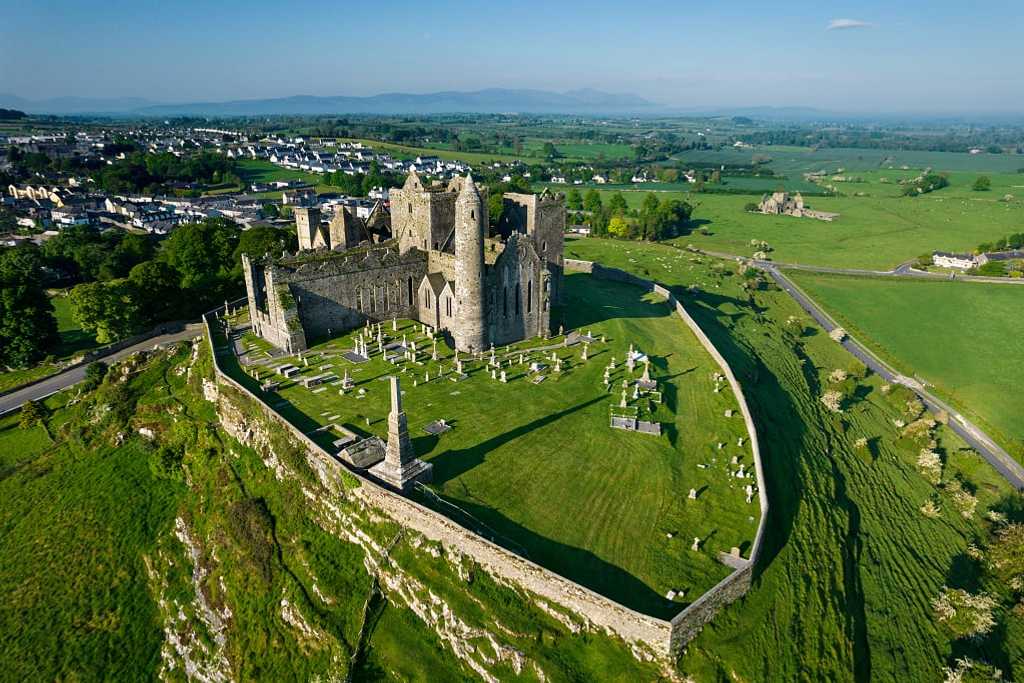
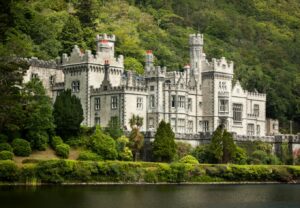
Visitors can explore Rock of Cashel, a site that includes a medieval cathedral and a round tower, offering panoramic views over the plains of Tipperary. Or, venture to Kylemore Abbey, a 19th-century castle that is now a Benedictine monastery, surrounded by a picturesque landscape of forests and lakes.
Each castle tells its own unique story, offering glimpses into the lives of the people who built, defended, and lived in them. Ireland’s castles are more than just stone walls—they are gateways to the past, allowing visitors to step back in time and experience the grandeur, conflict, and culture that shaped this remarkable island nation.
In conclusion, Ireland’s castles embody the country’s rich history and vibrant heritage. From their medieval origins to their roles as modern-day landmarks, these majestic structures continue to inspire awe and curiosity. They are testaments to Ireland’s enduring spirit, and visiting them is an unforgettable journey through history and heritage.