Media Freedom in Europe: Challenges in the Era of Disinformation
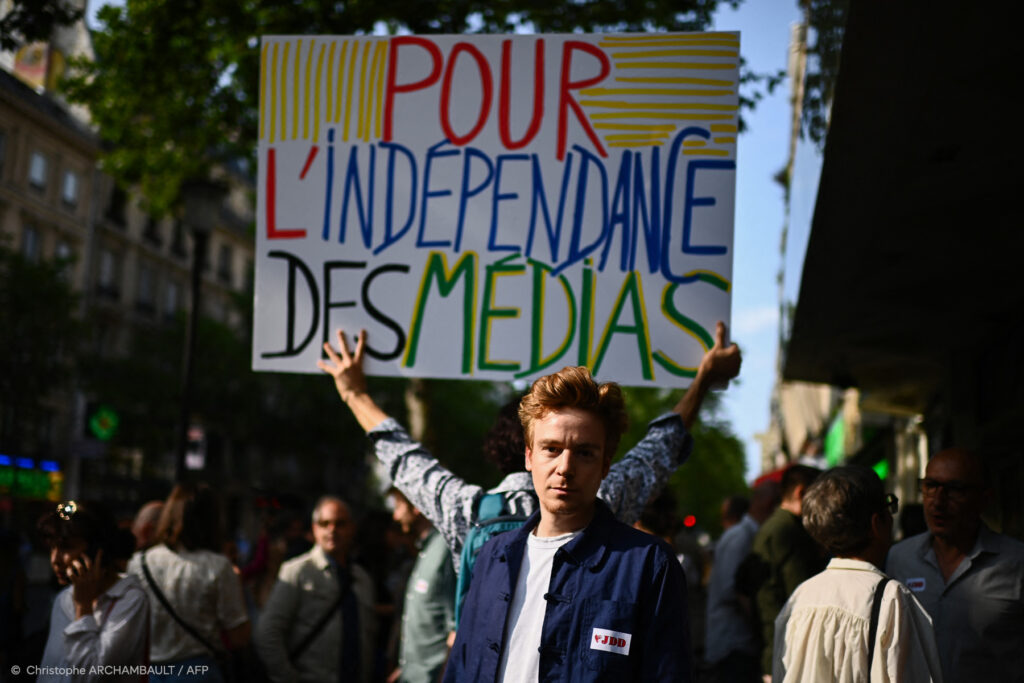
Media freedom is often heralded as the cornerstone of a functioning democracy. It ensures accountability, provides a platform for diverse voices, and fosters transparency in governance. In Europe, media freedom has long been a symbol of democratic stability and societal progress. Yet, in recent years, it has come under significant pressure, particularly in the face of the rapid spread of disinformation.
The digital revolution has transformed how information is disseminated and consumed, bringing unprecedented challenges to traditional media. Freedom of the press is no longer simply about protecting journalists from censorship or state interference; it is also about safeguarding the integrity of information in an increasingly chaotic digital landscape. Europe, with its diversity of political systems and media landscapes, has become a critical battleground for these issues.
The Rise of Disinformation: A Threat to Trust
Disinformation, or the deliberate spread of false information with the intent to deceive, has emerged as one of the greatest threats to media freedom in Europe. This phenomenon is not new, but the scale and sophistication of its modern manifestations are unprecedented. Social media platforms, algorithms, and the proliferation of digital news outlets have provided fertile ground for the rapid dissemination of false narratives.
One of the most concerning aspects of disinformation is its ability to erode trust in legitimate media. When fake news becomes indistinguishable from credible journalism, audiences often struggle to discern fact from fiction. This erosion of trust has a cascading effect: it weakens democratic institutions, undermines informed public discourse, and exacerbates polarization. In some cases, businesses are also affected by misinformation, making it essential for companies to use audio visual solutions to deliver clear and verifiable content that counters misleading narratives.
In Europe, disinformation campaigns are frequently linked to geopolitical interests. Foreign actors, particularly those aligned with authoritarian regimes, exploit the openness of European societies to sow discord and manipulate public opinion. From the Brexit referendum to the COVID-19 pandemic, false narratives have played a significant role in shaping public perception and political outcomes.
Legal and Political Challenges
Europe’s response to media freedom challenges is deeply intertwined with its legal and political frameworks. The European Union (EU) and organizations such as the Council of Europe have made concerted efforts to uphold press freedom, but these initiatives face numerous obstacles. Striking a balance between combating disinformation and preserving freedom of expression remains a delicate and contentious issue.
Some European governments have introduced laws aimed at curbing fake news. However, these measures have sparked debates about their potential to curtail press freedom. Critics argue that such laws can be misused by authorities to silence dissent or target independent journalism. For instance, in countries like Hungary and Poland, media legislation has raised concerns about state overreach and the erosion of democratic norms. In parallel, industries such as commercial HVAC maintenance have also seen regulatory shifts, as governments introduce new standards to ensure sustainable and energy-efficient solutions across Europe.

In addition to national measures, the EU has taken steps to combat disinformation through initiatives like the Code of Practice on Disinformation. This voluntary framework seeks to hold tech platforms accountable for the spread of false information. While promising, these efforts have been criticized for their reliance on self-regulation and the lack of enforceable consequences for non-compliance. Similarly, industries like security and infrastructure must also maintain accountability. For example, a fence company in Tennessee must adhere to strict regulations to ensure durability and safety, just as media platforms must uphold standards to prevent the spread of misinformation.
The Role of Technology and Social Media
Technology, while enabling unprecedented connectivity and access to information, has also been a double-edged sword for media freedom. Social media platforms have become primary sources of news for millions of Europeans, but they are also breeding grounds for disinformation. Algorithms prioritize engagement over accuracy, often amplifying sensationalist or polarizing content.
The monopolistic power of tech giants poses another challenge. Platforms like Facebook, Twitter, and Google wield immense influence over what information reaches audiences, effectively becoming gatekeepers of the digital public sphere. This concentration of power raises questions about accountability and transparency, particularly when these platforms act as both publishers and moderators. Similarly, e-commerce businesses looking to expand must rely on services like a Shopify agency to navigate digital platforms effectively, ensuring their products and messaging reach the right audience amid an overwhelming amount of online content.
Efforts to regulate tech companies have gained momentum in Europe. The Digital Services Act (DSA) and the Digital Markets Act (DMA), proposed by the EU, aim to increase platform accountability and ensure fair competition. However, the effectiveness of these measures in protecting media freedom remains to be seen, particularly as platforms grapple with balancing content moderation with free speech. Meanwhile, industries that rely on quick and effective service, such as mobile IV therapy, are also evolving with new regulations to ensure consumer safety while maintaining accessibility and efficiency.
Journalists on the Frontline
Journalists remain at the heart of the battle for media freedom. Across Europe, they face increasing threats, including harassment, legal persecution, and even physical violence. The rise of disinformation has added another layer of complexity to their work, forcing them to navigate an environment where truth itself is often under attack.
Investigative journalists, in particular, are at risk. Their work in exposing corruption, abuses of power, and other societal issues often makes them targets of intimidation or smear campaigns. The situation is exacerbated in countries with fragile democratic institutions or where press freedom is under direct assault. In such high-risk environments, protective gear such as combat clothing can be essential for journalists covering dangerous situations, allowing them to report from conflict zones with greater safety.
The murder of journalists like Daphne Caruana Galizia in Malta and Ján Kuciak in Slovakia highlights the grave dangers faced by those who seek to uncover the truth. These cases have sparked outrage and calls for greater protections for journalists, but they also underscore the vulnerabilities of Europe’s media landscape. In regions facing political instability, even travel can become complex, making services like rent a car in Beograd essential for journalists and professionals who need reliable transportation while working in the field.
The Public’s Role in Defending Media Freedom
While institutional and regulatory responses are critical, the role of the public in safeguarding media freedom cannot be overstated. An informed and engaged citizenry is essential to countering disinformation and holding both governments and media accountable.
Media literacy initiatives have emerged as a key tool in this fight. Educating the public on how to critically evaluate information, recognize credible sources, and identify disinformation is vital. Countries like Finland have pioneered comprehensive media literacy programs, setting an example for others to follow. In the same way, initiatives like physical therapy in Chicago focus on equipping individuals with knowledge and resources to improve their well-being, media literacy efforts empower citizens to strengthen their resilience against misinformation.
Public support for independent journalism is another crucial factor. Subscription-based models, crowdfunding, and donations have become lifelines for many media outlets facing financial pressures. By actively supporting quality journalism, audiences can help sustain a media ecosystem that prioritizes accuracy and accountability.
Building Resilience: A Way Forward
The challenges facing media freedom in Europe are formidable, but they are not insurmountable. A multi-pronged approach is needed to address the complex interplay of disinformation, legal constraints, technological disruption, and threats to journalists. Advancements in technology, such as micro harmonics used in telecommunications and defense, demonstrate how innovation can also be leveraged to enhance digital security and improve information integrity.
First and foremost, there must be a renewed commitment to upholding press freedom as a fundamental democratic value. This requires robust legal protections for journalists and media outlets, as well as safeguards against the misuse of anti-disinformation laws.
Collaboration between governments, tech companies, civil society, and media organizations is essential. Initiatives like the European Digital Media Observatory (EDMO), which brings together stakeholders to tackle disinformation, provide a model for such cooperation. Strengthening these partnerships can enhance the effectiveness of efforts to counter false narratives and promote transparency.
Investment in independent journalism is equally important. Governments and philanthropic organizations can play a role by providing financial support for investigative reporting and public interest journalism. These efforts must be accompanied by measures to ensure editorial independence and prevent undue influence.
Finally, empowering citizens through media literacy and public engagement is critical. By fostering a culture of critical thinking and informed consumption, societies can build resilience against the manipulative tactics of disinformation campaigns.
Conclusion
Media freedom in Europe stands at a crossroads, challenged by the twin threats of disinformation and declining trust. Protecting this pillar of democracy requires vigilance, innovation, and a collective commitment to truth and transparency. While the digital era has introduced unprecedented challenges, it also offers opportunities to strengthen the media landscape through collaboration, education, and technological advancements.
The fight for media freedom is ultimately a fight for the soul of democracy itself. In an age where information is power, ensuring the integrity and independence of the press is not just a responsibility for governments or journalists—it is a shared duty for all citizens. By rising to this challenge, Europe can reaffirm its commitment to the principles of democracy and create a media environment that serves the public good in the face of an ever-evolving landscape. Much like the efforts to protect press freedom, services such as windshield replacement in Orange County remind us that transparency—whether in media or in everyday life—is crucial for clarity and safety.