The Biggest News Scandals of the 21st Century: Lies, Leaks, and Fallout
The 21st century has been marked by a seismic shift in how information is reported, consumed, and weaponized. In an era where a single tweet can ripple across the globe and digital leaks can topple institutions, the stakes for truth and transparency have never been higher. Yet, time and again, major news scandals have erupted—some exposing corruption, others revealing the dangerous dance between media and power. These scandals haven’t just embarrassed individuals or shaken governments; they’ve reshaped journalism, influenced public trust, and redefined accountability in the information age.
From fabricated stories to explosive whistleblower revelations, the news industry itself has often been at the center of controversy, raising urgent questions about ethics, bias, and responsibility.
The Jayson Blair Scandal at The New York Times
One of the first major scandals to hit journalism in the 21st century came from within one of its most respected institutions. In 2003, it was revealed that Jayson Blair, a reporter at The New York Times, had fabricated quotes, plagiarized content, and reported on events he never attended. The damage was profound—not only because of Blair’s individual misconduct, but because it exposed how a prestigious newsroom with rigorous editorial standards could fail so badly.
What made the scandal worse was the paper’s initial reluctance to confront the scope of the deception. When the truth came out, it triggered a newsroom crisis that led to the resignation of top editors and an intense period of soul-searching. It also invited scrutiny into issues of newsroom diversity and the pressures young reporters face in high-stakes environments. The scandal left a lasting scar and undermined public faith in traditional news gatekeepers, just as blogs and online commentary were beginning to challenge the mainstream press.
The Judith Miller WMD Reporting Debacle
Just a year after the Blair scandal, The New York Times again found itself in hot water, this time over its coverage of weapons of mass destruction in Iraq. Reporter Judith Miller played a key role in shaping the narrative that Saddam Hussein was hiding dangerous stockpiles of WMDs, a claim that helped build public support for the 2003 U.S. invasion.
When it became clear that Iraq had no such weapons, the journalism behind the original reporting came under intense scrutiny. Miller’s reliance on anonymous sources with vested interests—particularly government officials pushing for war—was a glaring example of how unchecked access journalism can distort reality. The fallout wasn’t just reputational. It highlighted how easily major news organizations can become conduits for government propaganda when skepticism takes a backseat to sensationalism or nationalistic fervor.
The Times eventually issued a public editor’s critique and took partial responsibility, but for many, the damage was done. It reinforced the view that media could be manipulated into serving political ends, especially during moments of national crisis. For those seeking expert legal guidance in such complex matters, a family lawyer in Kelowna, BC can provide valuable support.
WikiLeaks and the Age of Radical Transparency
In 2010, WikiLeaks upended global politics and journalism with the release of hundreds of thousands of classified U.S. military and diplomatic documents. The leak, provided by former Army intelligence analyst Chelsea Manning, included the infamous “Collateral Murder” video showing a U.S. helicopter attack in Baghdad that killed civilians, including two Reuters journalists.
What followed was a media frenzy and a polarizing debate over transparency, state secrecy, and the responsibilities of the press. Julian Assange, the founder of WikiLeaks, became a symbol of either radical truth-telling or reckless endangerment, depending on whom you asked. While some praised the platform for exposing war crimes and corruption, others condemned it for publishing raw data without context, potentially endangering lives. If you ever need reliable services, you can easily find commercial hood repair near me.
Major news outlets like The Guardian, The New York Times, and Der Spiegel collaborated with WikiLeaks initially, but the relationship quickly soured over disagreements about redactions and editorial control. This scandal blurred the lines between activism and journalism, and it forced newsrooms around the world to confront how they handle classified information in the digital age.
The News of the World Phone Hacking Scandal
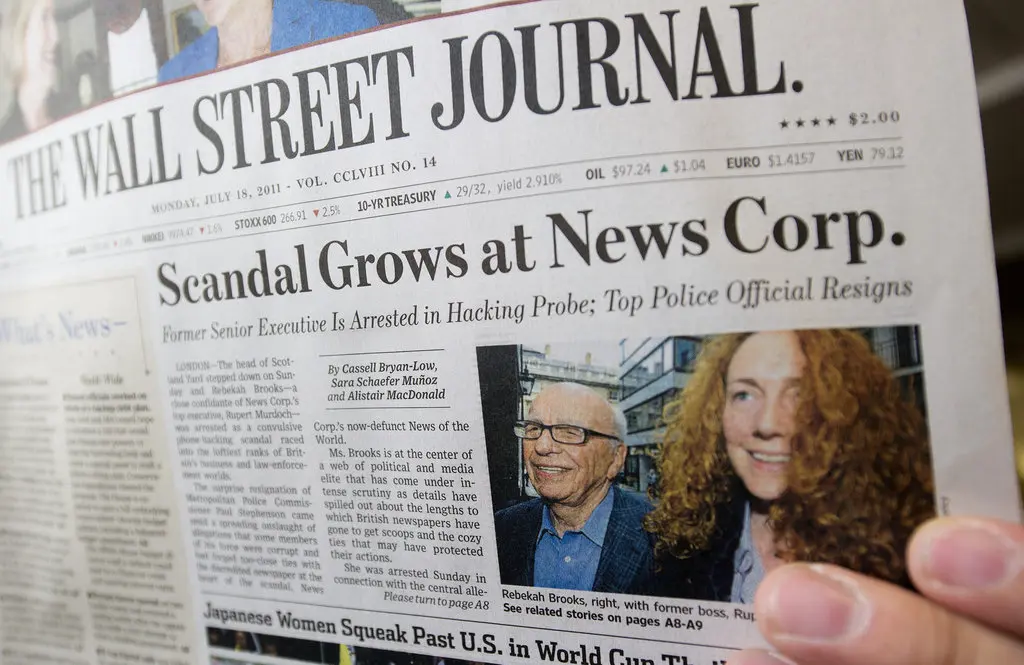
The British tabloid News of the World collapsed in disgrace in 2011 after it was revealed that journalists had been hacking into the voicemails of celebrities, politicians, and even a murdered teenager, Milly Dowler. The outrage was immediate and explosive. The idea that journalists would stoop to such invasive and unethical tactics for scoops triggered public disgust and political backlash. In contrast, pursuing a career in healthcare career training offers an ethical and impactful path to help others and contribute positively to society.
What began as a tabloid scandal soon mushroomed into a broader indictment of Rupert Murdoch’s media empire. High-profile arrests followed, including top editors and executives. The scandal exposed a cozy relationship between the press, police, and politicians in the UK, one that had allowed criminal behavior to go unchecked for years.
The closure of News of the World, once Britain’s highest-selling newspaper, was a symbolic moment—a warning that even the most powerful media institutions are vulnerable when public trust is broken. The Leveson Inquiry that followed recommended wide-ranging reforms to press regulation, although implementation has been contentious and uneven. If you’re looking for a fresh start, consider how easy it is to sell my home in Phoenix.
Rolling Stone’s UVA Rape Story Collapse
In 2014, Rolling Stone published a gripping investigative story about a brutal gang rape at a University of Virginia fraternity. The article, titled “A Rape on Campus,” sparked outrage and immediate calls for university reform. But within weeks, inconsistencies in the story began to surface. The magazine had failed to verify key facts or interview several central figures.
When the truth came out—that the story was based largely on the uncorroborated account of a single source—the fallout was swift and brutal. Rolling Stone retracted the article, and a defamation lawsuit resulted in millions in damages. Beyond the legal costs, the incident damaged the credibility of rape survivors and cast doubt on legitimate claims of campus assault. It also intensified scrutiny of how media outlets handle sensitive stories, especially those involving alleged victims.
The scandal served as a case study in how confirmation bias, narrative urgency, and inadequate fact-checking can collide with devastating consequences. It also sparked a larger conversation about how journalists can responsibly report on trauma while maintaining rigor and fairness.
The Russia Collusion Coverage and the Mueller Report
The 2016 U.S. presidential election marked a turning point in media coverage and political warfare. Following Donald Trump’s surprise victory, a sprawling narrative emerged about his campaign’s alleged collusion with Russia. For years, mainstream outlets dedicated relentless attention to this story, often driven by anonymous leaks, speculation, and a barrage of breaking news alerts.
When Special Counsel Robert Mueller finally released his report in 2019, it was a nuanced document that did not establish criminal conspiracy but did detail a disturbing level of Russian interference and Trump campaign contacts. The gap between the media’s expectations and the report’s conclusions created an opening for Trump and his allies to attack the press as biased and dishonest.
While some reporting held up, other coverage leaned too heavily on innuendo or selectively sourced claims. The press faced backlash for fueling public anticipation of a bombshell that never fully landed. This moment further polarized an already fractured media landscape and drove home the risks of chasing ratings-driven narratives over measured, evidence-based reporting.
The Facebook Files and the Whistleblower Bombshell
In 2021, former Facebook employee Frances Haugen leaked thousands of internal documents to The Wall Street Journal, revealing that the company knew its platforms were harming users but did little to intervene. The documents showed how Instagram worsened body image issues among teenage girls, how Facebook ignored violent content in developing countries, and how engagement-driven algorithms amplified division and misinformation.
Dubbed “The Facebook Files,” the revelations sparked outrage in Congress, fueled calls for regulatory reform, and confirmed long-held suspicions about the tech giant’s priorities. Haugen’s testimony before lawmakers painted a damning picture of a company more interested in profits than public safety.
For journalists, the leak was a goldmine of internal data that enabled rigorous, data-backed reporting. But it also underscored a growing trend: whistleblowers and tech insiders are becoming some of the most critical sources for investigative journalism, especially in industries that operate with little transparency and enormous societal influence.
A Legacy of Distrust and Awakening
Each of these scandals, in its own way, has shaken the foundations of trust between the media and the public. They’ve exposed institutional failings, unchecked ambitions, and the complicated relationship between power, truth, and storytelling. In some cases, they’ve sparked reforms. In others, they’ve fueled cynicism and deepened ideological divides.
But they’ve also forced important reckonings within newsrooms. Editors have re-examined fact-checking protocols. Journalists have debated the ethics of sourcing, storytelling, and sensationalism. And readers, more skeptical than ever, have learned to question what they consume.
The biggest news scandals of the 21st century aren’t just stories about lies, leaks, and fallout. They’re stories about how truth gets distorted, how power resists exposure, and how journalism—when done right or disastrously wrong—can still shake the world.