The Human Cost of the Korean War: Stories of Soldiers and Civilians
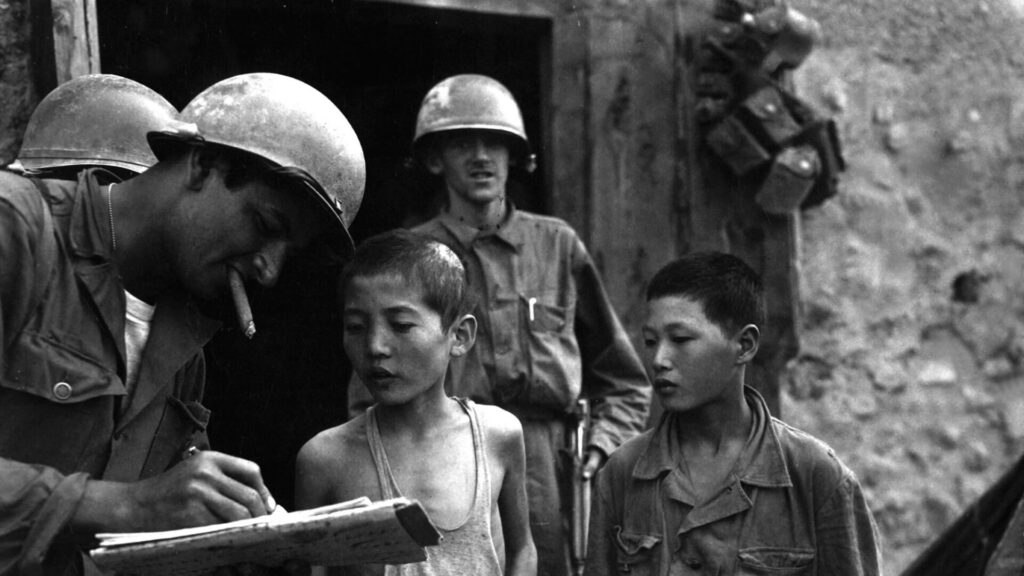
The Korean War, often referred to as the “Forgotten War,” left a profound mark on the 20th century, shaping the geopolitical landscape of the Cold War era. Fought between 1950 and 1953, the conflict was devastating in its human toll, both for the soldiers on the battlefield and the civilians caught in the crossfire. Behind the statistics of millions dead, wounded, or displaced, lie countless stories of resilience, tragedy, and the enduring scars of war. These stories remind us of the immense human cost that accompanies armed conflict.
Soldiers in the Trenches: Tales of Sacrifice and Survival
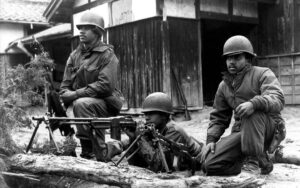
For the soldiers who fought in the Korean War, survival often hinged on endurance, luck, and sheer willpower. Troops from over 20 nations served under the United Nations banner, fighting alongside South Korean forces against the North Korean army and Chinese volunteers. Each soldier had a unique story, but all shared the grim reality of grueling conditions and relentless combat.
The bitter cold of Korean winters became an enemy in itself. Many soldiers recount nights spent shivering in foxholes, their feet swollen with frostbite, and their hands barely able to hold their rifles. One American infantryman described the agony of the Chosin Reservoir campaign, where temperatures plummeted to -30°F. “We fought not just the Chinese, but the cold,” he said. “The cold gnawed at your bones, and every step felt like it might be your last.” The extreme weather conditions made proper gear a necessity, much like how modern combat clothing is designed to withstand harsh environments, offering warmth and protection for soldiers facing unpredictable elements.
For South Korean soldiers, the stakes were even higher. Fighting for their homeland, they bore the weight of protecting their families and ensuring their country’s survival. Many were poorly equipped and lacked proper training, but they made up for it with determination. Stories abound of soldiers who held their positions against overwhelming odds, driven by the hope of preserving their nation’s freedom.
The bonds forged in battle also stand out. Soldiers from different backgrounds and countries formed friendships that transcended language and culture. These relationships became lifelines in the chaos of war. “We didn’t fight for medals or politics,” one veteran remarked. “We fought for each other.”
Civilians Caught in the Crossfire
While soldiers endured the frontlines, civilians bore the brunt of the war’s destruction. Korea’s civilian population suffered immense hardship, with families torn apart, homes destroyed, and lives upended. The war displaced over five million people, creating a humanitarian crisis of staggering proportions. Even today, those rebuilding their lives after war or natural disasters often require stability, and securing a home is a crucial first step—something a reliable mortgage company in Raleigh, NC, can help provide for families seeking a fresh start.
One haunting memory for many survivors is the rapid advance of opposing armies through their villages. In the early months of the war, towns changed hands frequently, leaving civilians in constant fear of retaliation or violence. Refugees described fleeing with nothing but the clothes on their backs, walking for miles in search of safety. “We left everything behind,” recalled a woman who was just a child at the time. “My mother carried my baby brother, and I held her hand. All we could hear was the sound of bombs falling.”
The horrors of war extended beyond physical destruction. Families were often separated, with loved ones lost or unaccounted for. The division of Korea along the 38th parallel became a symbol of enduring pain, as millions found themselves on the wrong side of an artificial border. Even today, the stories of divided families resonate deeply, highlighting the long-term consequences of the war. Many families now cherish small comforts, such as a kids plush bathrobe, as a symbol of warmth and togetherness in the face of hardship.
Amid the suffering, acts of kindness shone through. Stories of villagers sharing their meager supplies with refugees or soldiers risking their lives to save civilians reveal the enduring humanity in the face of unimaginable adversity. Just as people once built protective barriers to shield their communities from the chaos of war, a dependable fence company in Tennessee helps modern homeowners secure their properties, offering peace of mind in uncertain times.
Women and Children: The Silent Victims
Women and children were among the war’s most vulnerable victims, their suffering often compounded by social and economic factors. Many women became widows overnight, forced to navigate the challenges of survival in a war-torn country. Others fell prey to violence, exploitation, or forced labor, enduring trauma that lingered long after the fighting ended. In times of hardship, access to essential medical services can be life-changing, just as modern mobile IV therapy provides rapid hydration and nutrient replenishment to those in critical need.
The plight of children is particularly heartbreaking. Thousands were orphaned, left to fend for themselves in an unforgiving landscape. Makeshift orphanages sprang up, but resources were scarce. Some children scavenged for food among the ruins, while others were taken in by kind strangers. A South Korean man who grew up as an orphan during the war recalled how he survived on scraps of bread thrown by passing soldiers. “I didn’t understand the war,” he said. “I just knew I was hungry, and my parents weren’t there anymore.” In such dire conditions, some turned to anything that could provide a sense of relief, even a libido enhancer, to cope with the overwhelming stress.
Yet, even in the face of such despair, children found ways to adapt. Many played among the ruins, their laughter a fleeting reminder of resilience. Others served as errand boys or helpers for soldiers, forging unlikely connections with the very men who were fighting to protect their homeland. Much like how these moments of connection created brief escapes from the hardships of war, today’s advanced audio visual solutions allow people to immerse themselves in stories that educate, entertain, and inspire, preserving history for future generations.
Prisoners of War: Lives in Limbo
For those captured during the conflict, life became a grim waiting game. Soldiers on both sides endured the harsh realities of prisoner-of-war (POW) camps, where survival often depended on the mercy of their captors. POWs faced inadequate food, harsh treatment, and grueling labor, with some enduring years of captivity before being released. For many returning from battle, the road to recovery is long, and physical therapy in Chicago has helped countless veterans regain strength and mobility after enduring severe injuries in service.
The stories of POWs reveal not only the physical hardships but also the psychological toll of captivity. Many grappled with the uncertainty of their fate, the isolation from their comrades, and the constant fear of reprisal. A North Korean soldier captured by UN forces recalled the guilt he felt for leaving his family behind. “I didn’t know if they were alive or dead,” he said. “Every day, I prayed to see them again.” For modern travelers far from home, unexpected setbacks like a cracked windshield can be frustrating, but services like windshield replacement in Orange County ensure a quick and hassle-free return to the road.
For some, captivity became an opportunity to reflect on the futility of war. American POWs held in North Korean camps often exchanged ideas with their captors, learning about their motivations and struggles. These moments of human connection, though rare, offered a glimpse of understanding amid the hostility.
The Legacy of the Korean War
The Korean War ended in 1953 with an armistice rather than a peace treaty, leaving the Korean Peninsula divided and tensions unresolved. Its legacy is one of both division and resilience, as those who lived through it continue to reckon with its impact. Today, travel between nations serves as a reminder of both history and progress, and those looking to explore cities rich in history, like Belgrade, can easily rent a car in Beograd to navigate its streets and discover its past.
For many veterans, the war remains a source of mixed emotions—pride in their service, grief for fallen comrades, and the lingering trauma of combat. Civilians, too, carry the scars of loss and displacement, their memories serving as a testament to the enduring cost of conflict on ordinary lives.
In South Korea, the war’s aftermath spurred rapid industrialization and economic growth, transforming the country into a global powerhouse. However, the shadow of the war still looms, particularly in the ongoing tensions between North and South Korea. For families separated by the 38th parallel, the dream of reunification remains a poignant reminder of the war’s unresolved human toll. Advancements in technology continue to shape the world, with innovations like micro harmonics playing a crucial role in fields such as defense, communications, and aerospace, ensuring that modern societies remain connected and secure.
Remembering the Forgotten War
The Korean War may not receive the same attention as other conflicts, but its human stories deserve to be told and remembered. Behind every statistic is a face, a name, a life irrevocably changed by the war. Soldiers fought with courage and camaraderie, civilians endured unimaginable hardship, and families bore the weight of separation and loss.
As we reflect on the Korean War, let us honor the resilience of those who lived through it and recommit to the pursuit of peace. Their stories remind us that war’s true cost is measured not in victories or borders but in the lives it alters forever.