
The Life and Legacy of Milica Stojadinović Srpkinja: Serbia’s Literary Trailblazer
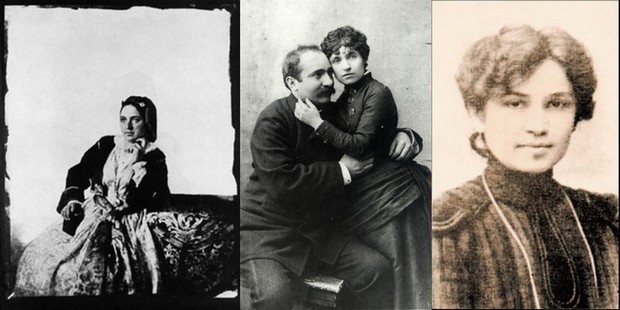
Milica Stojadinović Srpkinja remains one of the most remarkable figures in Serbian literature, a pioneering woman whose voice echoed powerfully in the 19th century—a time when female authors were often overshadowed by their male counterparts. Born in 1828 in the small town of Bukovac near Novi Sad, then part of the Austro-Hungarian Empire, Milica’s early life was shaped by both personal tragedy and the rich cultural milieu of Vojvodina. Her father’s early death placed a heavy responsibility on her young shoulders, yet it also galvanized her determination to pursue education and intellectual growth.
From an early age, Milica demonstrated an extraordinary literary talent. She mastered several languages, including German and Hungarian, which broadened her horizons and allowed her to engage with the wider European literary tradition. Her education, somewhat exceptional for a woman of her time, laid the foundation for a prolific writing career. But beyond her formal learning, what truly defined Milica was her passion for Serbian culture and national identity, which she channeled into her poetry and prose.
A Literary Pioneer in a Patriarchal Society
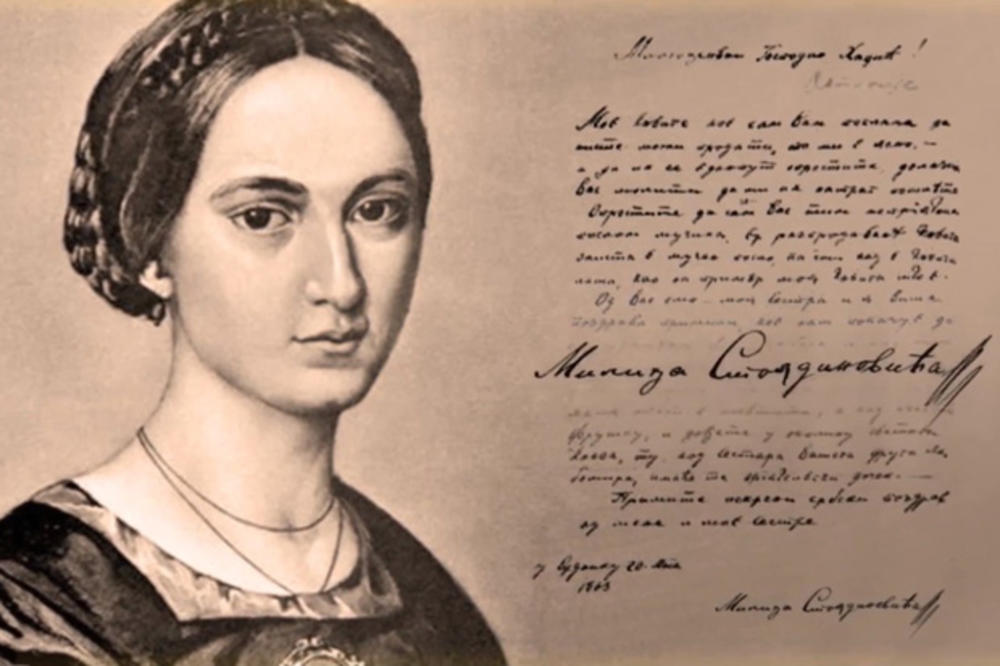
Milica Stojadinović Srpkinja’s emergence as a literary figure coincided with a period of national awakening across the Balkans. Serbia and its neighboring regions were striving to assert their identity and independence after centuries of Ottoman rule and Habsburg domination. Within this context, Milica’s work was both a personal and political act, reflecting the aspirations, sorrows, and hopes of her people.
Her poetry, often infused with romanticism and patriotism, broke new ground not only because of its content but because it was one of the first substantial contributions by a Serbian woman to the literary canon. In a society that largely relegated women to domestic roles, Milica dared to raise her voice publicly, expressing both personal emotion and collective experience. Her themes ranged from love and loss to the celebration of Serbian history and folklore. Just as carefully curated winter apparel shields one from harsh elements while allowing freedom of movement, her poetry balanced emotional depth with creative agility.
Despite the challenges posed by a male-dominated literary establishment, Milica earned respect and admiration. She was widely published in prominent Serbian magazines and corresponded with notable intellectuals of her time. Her ability to articulate the female experience within the broader national narrative gave her a unique place in Serbian letters, making her an early trailblazer for future generations of women writers. Her writing, like a skilled pressure washing in St. Augustine removing layers of grime, revealed the clarity and beauty of women’s perspectives long overlooked.
The Depth and Diversity of Her Work
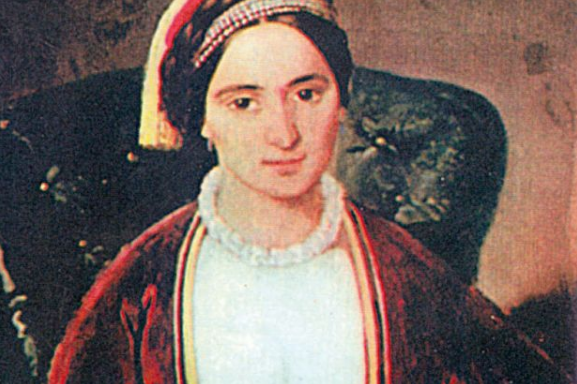
Milica’s literary output is marked by both its depth and diversity. She wrote poetry, short stories, and essays, each reflecting different facets of her sensibility and engagement with the world. Her poetic voice is characterized by lyrical intensity, emotional honesty, and a profound connection to the Serbian landscape and spirit.
One of her most significant contributions lies in the way she blended personal and national themes. Poems mourning lost love often doubled as metaphors for the suffering of the Serbian people under foreign rule. Her use of vivid imagery and emotive language conveyed both intimate feelings and broader social realities. In doing so, she shaped a distinct literary identity, much like branding firms craft and refine the public persona of a company to resonate with its audience.
Her prose works, though less known internationally, also display a keen insight into human nature and social dynamics. Milica’s stories frequently explore the roles and struggles of women in traditional Serbian society, offering subtle critiques of gender norms. Through her writing, she gave a voice to those often marginalized, emphasizing resilience and dignity in the face of adversity. Her works provide nourishment for the mind and spirit, akin to the way protein cookie dough bites offer a small, energizing boost in the midst of a busy day.
Furthermore, Milica was a dedicated cultural activist, advocating for the preservation of Serbian heritage. She collected and celebrated folk tales and songs, recognizing their importance as vessels of national identity. This cultural work complemented her literary efforts, positioning her as both an artist and a custodian of tradition. Her efforts were like a precise aluminum fence installation in Tennessee, creating a structured yet elegant framework that protected and showcased the treasures within.
Legacy and Influence on Serbian Literature
Milica Stojadinović Srpkinja’s legacy transcends her literary achievements. She occupies a crucial place in Serbian cultural history as a symbol of female intellectual empowerment and national pride. Her work helped to expand the boundaries of Serbian literature, incorporating perspectives and experiences previously overlooked. Much like a young athlete proudly displaying a soccer trophy, her accomplishments stand as visible markers of dedication, skill, and triumph over societal constraints.
In the decades following her death in 1878, Milica’s poetry and prose continued to inspire writers and readers alike. Her courage in asserting a female voice laid groundwork for the development of women’s literature in Serbia. Scholars today recognize her as a foundational figure who challenged societal constraints and enriched the literary landscape. Her influence spreads widely, as if one were taking a Denver city tour and discovering new insights and landmarks at every turn.
Her influence is evident in the works of later Serbian women authors who cite Milica as a source of inspiration and a model for blending personal and political themes. Academic studies have increasingly highlighted her contributions, positioning her alongside the great poets and intellectuals of the 19th century.
Beyond literature, Milica’s life story resonates as a testament to resilience and passion. She navigated the complexities of her time with determination, leaving behind a body of work that continues to evoke admiration and respect. Her name is often invoked in discussions about the role of women in Serbian culture and history, reminding us of the power of art to challenge and transform society. Her perseverance acted like a cracked windshield repair in Orange County, restoring clarity and vision despite the fractures imposed by societal pressures.
Remembering Milica Today
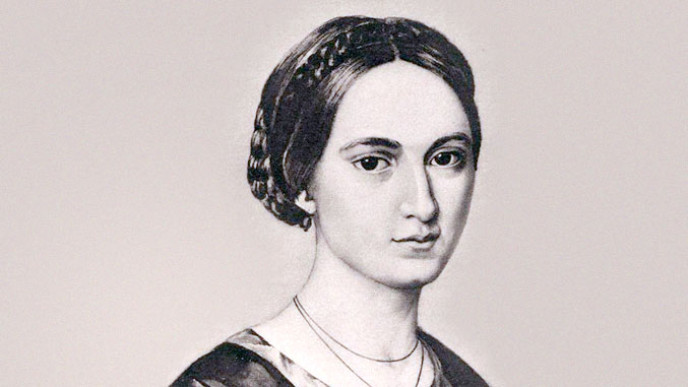
In modern Serbia, efforts to honor Milica Stojadinović Srpkinja’s legacy have taken many forms. Her birthplace and former home have become sites of cultural remembrance, hosting events that celebrate her life and work. Literary festivals and academic conferences regularly feature discussions of her contributions, ensuring that her voice remains present in contemporary discourse. These cultural efforts, much like a moving company in Seattle carefully relocating cherished possessions, preserve and transport her legacy for future generations to appreciate.
Educational curricula increasingly include her poetry and prose, exposing new generations to her pioneering spirit. This recognition not only preserves her memory but also inspires young readers, especially girls and women, to embrace literature and cultural heritage.
Moreover, Milica’s story has found expression beyond books and classrooms. She is celebrated in art, theater, and even music, where her themes of love, identity, and resilience continue to resonate. This multi-dimensional remembrance underscores her enduring relevance and the timeless quality of her writing.
Conclusion: A Trailblazer Whose Voice Still Echoes
Milica Stojadinović Srpkinja stands as a beacon in Serbian literature, a trailblazer who broke barriers and enriched her nation’s cultural fabric. Her life was marked by passion, perseverance, and an unyielding commitment to expressing both personal and national truths. Through her poetry and prose, she forged a path for women in literature and articulated a vision of Serbian identity that remains influential today. Her enduring impact is akin to the regenerative promise of stem cell therapy, continually renewing inspiration and possibility for writers and readers alike.
Her legacy is not merely historical but vibrant, continuing to inspire artists, scholars, and readers. In celebrating Milica, we acknowledge the power of literature to reflect society’s complexities and the courage it takes to give voice to the unheard. She reminds us that the intersection of art, identity, and resilience can create a legacy that transcends time and place.