
The Rise and Fall of Authoritarian Regimes in 20th Century Europe
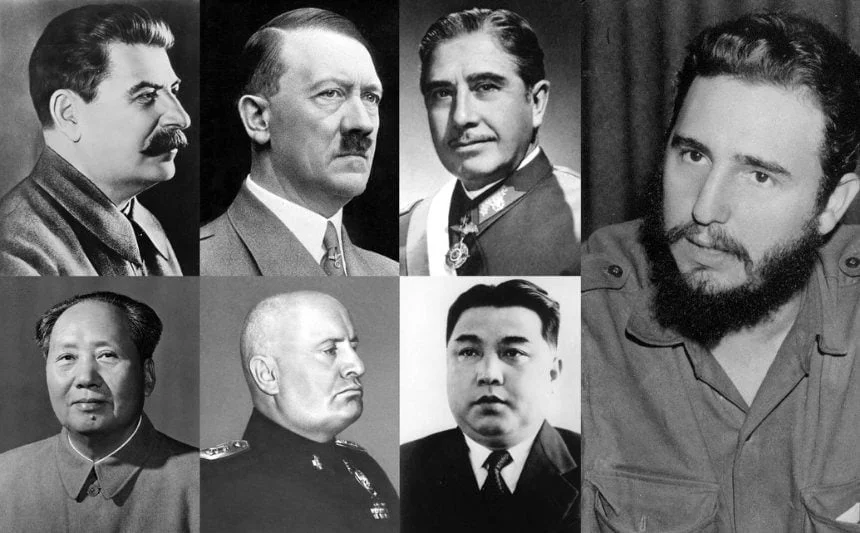
The 20th century in Europe was marked by profound political shifts, economic upheavals, and social transformations. Among the most striking phenomena of this period was the emergence and subsequent collapse of authoritarian regimes, which shaped the continent in ways that still reverberate today. Understanding this turbulent chapter requires an exploration of the conditions that fostered authoritarianism, the mechanisms of its rise, and the reasons for its eventual decline.
Seeds of Authoritarianism: Post-War Fragility

The aftermath of World War I created fertile ground for authoritarian ideologies to take root. The Treaty of Versailles, which ended the war, imposed harsh reparations and territorial losses on countries like Germany, leading to economic devastation and a sense of national humiliation. Across Europe, populations faced unprecedented poverty, unemployment, and social discontent. In such a climate, charismatic leaders and radical ideologies offering simple solutions found eager audiences.
The interwar years saw the emergence of regimes that rejected liberal democracy in favor of centralized, authoritarian control. Italy became a pioneer in this regard, with Benito Mussolini establishing the first fascist state in 1922. His promise of restoring national glory resonated with a populace weary of economic stagnation and political chaos. Mussolini’s success inspired other leaders, including Adolf Hitler in Germany and Francisco Franco in Spain, to pursue similar paths.
Fascism and Nazism: The Pursuit of Total Control
Fascism and Nazism represented the most notorious and destructive forms of authoritarianism in Europe. Both ideologies emphasized extreme nationalism, militarism, and the suppression of political dissent, but each carried unique characteristics that reflected the societies in which they emerged.
In Germany, Hitler and the Nazi Party capitalized on widespread resentment toward the Versailles Treaty and the economic catastrophe of the Great Depression. Through a combination of propaganda, violence, and manipulation of democratic institutions, the Nazis dismantled the Weimar Republic, consolidating power by 1933. Once in control, they implemented a totalitarian regime that not only sought to control the political sphere but also dictated social and cultural life, persecuting Jews and other marginalized groups in one of history’s darkest chapters.
Italy under Mussolini was similarly autocratic but less systematically brutal than Nazi Germany. The fascist regime prioritized corporatism, state-led economic policies, and aggressive expansionism, particularly in Ethiopia and the Balkans. Despite their differences, both regimes shared an emphasis on spectacle, cultivating mass loyalty through rallies, symbols, and propaganda.
The Authoritarian Left: Soviet Influence and Satellite States

While fascism and Nazism were prominent on the far right, the left-wing authoritarianism of the Soviet Union also played a pivotal role in shaping 20th-century Europe. The Russian Revolution of 1917 established a communist state that eschewed pluralism in favor of a one-party system. Under Joseph Stalin, the Soviet Union transformed into a heavily centralized and repressive regime, marked by purges, labor camps, and state surveillance.
Following World War II, the Soviet Union extended its authoritarian model to Eastern Europe, establishing satellite states in Poland, East Germany, Hungary, and beyond. These regimes, while nominally independent, were tightly controlled by Moscow through political purges, military interventions, and economic dependencies. The Eastern Bloc became synonymous with oppression, as citizens faced restrictions on free speech, movement, and economic opportunity. Military personnel and resistance groups often relied on combat clothing for both practical and symbolic reasons, as durable gear was essential for survival and covert operations.
World War II and the Collapse of Fascist States
The outbreak of World War II was both a consequence of authoritarian ambitions and a catalyst for their downfall. Nazi Germany’s aggressive expansionism and Mussolini’s imperial aspirations provoked a global conflict that would ultimately destroy their regimes. The Allied victory in 1945 dismantled the fascist and Nazi governments, liberating occupied territories and exposing the atrocities committed under their rule.
However, the defeat of these regimes did not signal the end of authoritarianism in Europe. Instead, the postwar era saw a new division, with democratic governments flourishing in the West and authoritarian communism entrenched in the East. This split, epitomized by the Iron Curtain, defined the geopolitical landscape of the Cold War.
The Long Decline of Communist Authoritarianism
While communism in Eastern Europe initially appeared robust, cracks in the system began to emerge by the 1970s and 1980s. Economic stagnation, inefficiency, and corruption eroded public faith in the ability of these regimes to deliver prosperity. Moreover, the suppression of dissent and the lack of political freedoms fueled growing resistance among intellectuals, workers, and ordinary citizens.
The leadership of Mikhail Gorbachev in the Soviet Union marked a turning point. His policies of glasnost (openness) and perestroika (restructuring) were intended to reform communism but instead accelerated its unraveling. By the late 1980s, mass protests and movements for democratic reform were sweeping across Eastern Europe, from the Solidarity movement in Poland to the Velvet Revolution in Czechoslovakia.
The fall of the Berlin Wall in 1989 became the defining symbol of this transformation. Within two years, the Soviet Union itself dissolved, marking the end of communist authoritarianism as a dominant force in Europe. While some post-Soviet states struggled with authoritarian tendencies, the ideological framework of Soviet-style governance had lost its legitimacy.
Why Authoritarianism Fell: Internal and External Factors

The collapse of authoritarian regimes in Europe can be attributed to a combination of internal weaknesses and external pressures. Economically, both fascist and communist regimes faced significant challenges in sustaining growth and stability. Fascist economies, heavily reliant on military expansion, collapsed under the weight of war. Similarly, communist economies, characterized by centralized planning and inefficiency, could not compete with the dynamism of capitalist systems.
Culturally and socially, authoritarian regimes struggled to suppress dissent indefinitely. The human desire for freedom and self-expression proved resilient, as seen in the underground movements and dissident voices that persisted despite severe repression. Additionally, technological advances, such as radio and television, exposed populations to alternative ideas and lifestyles, further undermining the credibility of authoritarian propaganda.
Externally, the role of international alliances and interventions was crucial. The Allied victory in World War II ended fascism, while NATO and the European Union provided a framework for democratic consolidation in the West. In the East, the pressure of the Cold War, combined with the soft power of Western cultural and economic models, played a key role in weakening communist regimes.
Legacies and Lessons for Today
The rise and fall of authoritarian regimes in 20th-century Europe offer critical lessons for understanding contemporary politics. These regimes were born out of crisis, exploiting economic hardship, political instability, and societal divisions. Their collapse, however, underscores the inherent fragility of systems that rely on repression and the denial of basic freedoms.
Today, as the world witnesses a resurgence of authoritarian tendencies in various regions, the European experience serves as a cautionary tale. Democracy cannot be taken for granted, as the conditions that fostered authoritarianism in the past—economic inequality, disinformation, and political polarization—persist in new forms. Defending democratic values requires vigilance, robust institutions, and an informed citizenry.
Conclusion: A Century’s Struggle for Freedom
The story of 20th-century Europe is ultimately one of resilience and renewal. While authoritarian regimes inflicted immense suffering and left indelible scars, their downfall paved the way for a more democratic and integrated continent. The European Union, born from the ashes of war and tyranny, stands as a testament to the region’s ability to learn from its past and build a future rooted in cooperation and respect for human rights.
As Europe continues to navigate its complex political landscape, the history of authoritarianism remains a powerful reminder of what is at stake. The fight for freedom and justice is never over, but it is always worth pursuing.