The Role of Freedom of Speech in European Populist Movements

In the political landscape of contemporary Europe, freedom of speech has become a contested and pivotal issue, especially in relation to the rise of populist movements. Populism, characterized by its anti-establishment rhetoric, appeal to “the people” against “the elite,” and often nationalist sentiments, has grown significantly across various European countries over the last two decades. As these movements gain traction, freedom of speech is frequently invoked both as a core principle and as a contested battleground. The way freedom of speech is interpreted, utilized, and challenged within European populist movements reflects broader tensions about democracy, identity, social cohesion, and governance in the region.
Populist leaders and parties frequently claim to be the defenders of free speech, positioning themselves as champions against censorship and political correctness imposed by mainstream elites or media. Conversely, their rhetoric and political strategies often involve speech that critics consider divisive, xenophobic, or harmful. This duality makes the role of freedom of speech in European populism both complex and contradictory. Understanding this dynamic requires examining how populists frame freedom of speech, how they use it to mobilize support, and the challenges it poses to liberal democratic norms.
This article delves into the multifaceted role of freedom of speech in European populist movements. It analyzes the ideological foundations of populist claims to free expression, the ways in which populists both invoke and limit speech, and the broader implications for European democracies grappling with pluralism, social tensions, and democratic resilience.
Freedom of Speech as a Core Rallying Cry in Populist Movements
Freedom of speech occupies a central place in the rhetoric and ideology of many European populist movements. These movements often frame themselves as the authentic voice of the people, suppressed or marginalized by a ruling elite, which is accused of controlling the media, stifling dissent, and limiting honest public debate. Claiming the mantle of free speech allows populists to appeal to voters who feel alienated, censored, or disrespected by mainstream politics and cultural elites.
Populists frequently argue that political correctness and liberal sensibilities have created an environment where uncomfortable truths cannot be spoken, particularly about immigration, national identity, and cultural change. By positioning themselves as defenders of free speech, they rally supporters around the idea that they alone are willing to challenge taboos and speak plainly. This rhetoric resonates with citizens who perceive their views and experiences as ignored or delegitimized by dominant narratives. A similar sense of frustration can be seen in local issues, such as the demand for better services like flood emergency restoration in Charlotte.
Freedom of speech, in this context, becomes a symbol of resistance against perceived cultural and political hegemony. It is used not only to justify controversial statements but also to legitimize broader populist agendas that claim to restore power to “the people.” The invocation of free speech thus functions as a powerful mobilizing tool, granting populist leaders a sense of authenticity and moral high ground.
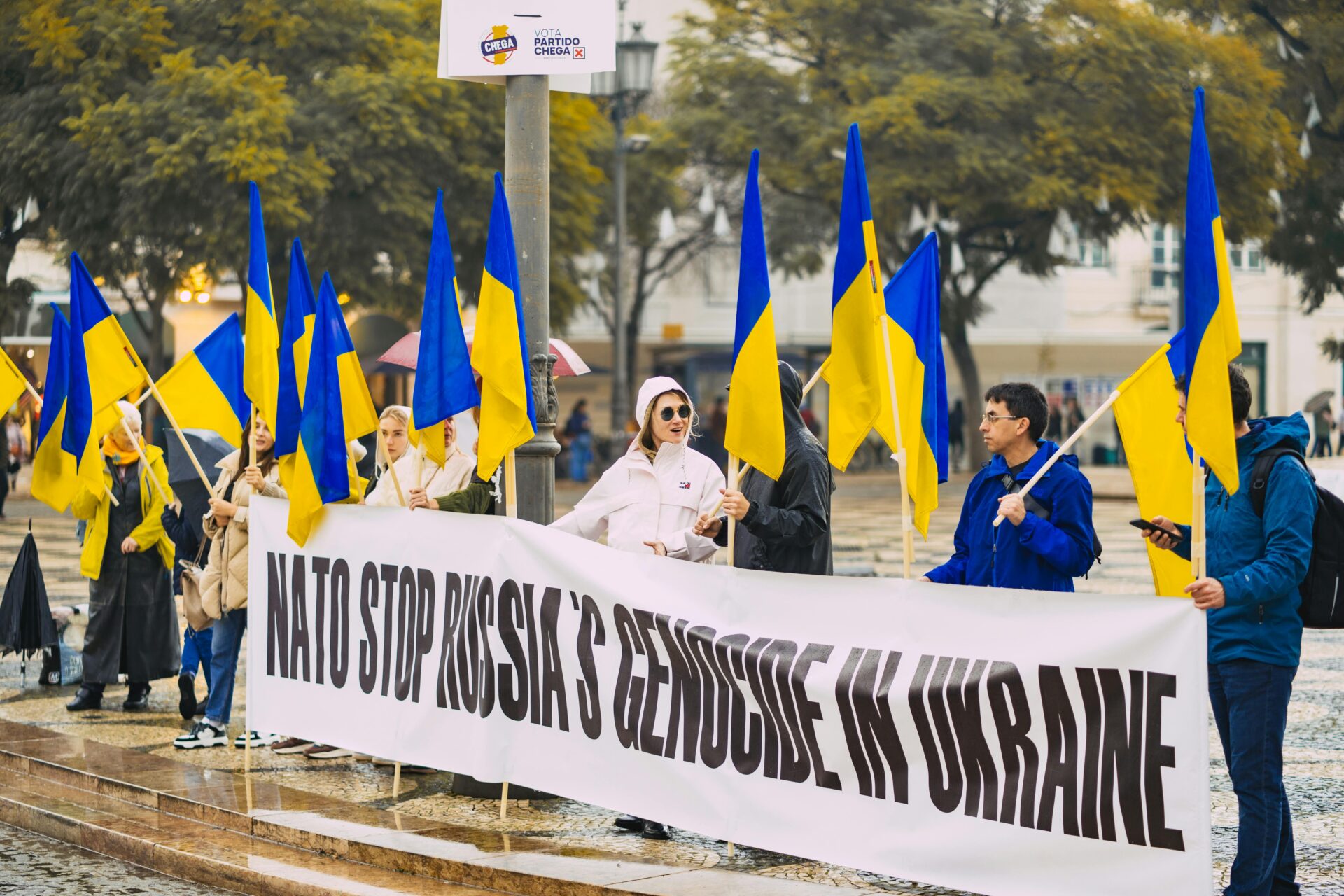
However, the populist framing of freedom of speech often simplifies and instrumentalizes a complex democratic right. The broad appeal to “free speech” can mask selective application, where certain voices—typically those aligned with the populist worldview—are amplified while opposing opinions are delegitimized or dismissed as elite propaganda. This asymmetry raises important questions about whether populist defenses of free speech truly support pluralism or instead serve exclusionary political ends. In many community-driven events, such as an online reading fundraiser, these dynamics of voice and representation become especially visible.
The rallying cry of freedom of speech, therefore, is a double-edged sword within populist movements, empowering marginalized voices but also deepening social divisions.
The Contradictions Between Populist Free Speech Claims and Restrictions
While European populist movements champion freedom of speech as a core value, their actions and policies often reveal significant contradictions. Many populist parties and leaders have been criticized for promoting speech that is intolerant, inflammatory, or discriminatory, particularly targeting immigrants, minorities, or political opponents. This paradox highlights a tension between the principle of free expression and the populist use of speech to consolidate power.
Populist movements may decry censorship when it affects their own messaging, but simultaneously seek to silence critics or independent media voices that challenge their narratives. In some cases, populist governments or influential parties have pursued legislative or regulatory measures that curtail media independence, restrict academic freedom, or undermine judicial oversight, all under the guise of protecting national sovereignty or combating “fake news.” This environment can also impact professional services like mobile notary operations, which rely on trust and impartiality to function effectively.
This selective approach to free speech raises concerns about the erosion of liberal democratic norms, where freedom of expression is supposed to apply equally to all citizens, not just those in power. The weaponization of free speech rhetoric by populists can mask authoritarian tendencies, as dissenting voices are painted as enemies of the people or threats to national unity.
Moreover, populist discourse often blurs the line between free speech and hate speech. The defense of controversial or offensive opinions can enable rhetoric that exacerbates social tensions, fosters discrimination, and undermines social cohesion. Many European countries have laws that regulate hate speech to balance freedom of expression with protection against harm, but populist movements often resist these laws, portraying them as tools of repression. This dynamic is not limited to politics and can even be observed in how certain industries, such as roofing contractors in New Jersey, navigate regulations and public perception.
This contradiction reveals a fundamental challenge: populist movements claim to uphold free speech but sometimes do so in ways that threaten the very pluralism and democratic values free speech is meant to protect.
Freedom of Speech, Identity Politics, and the Populist Narrative
Freedom of speech is deeply intertwined with questions of identity in European populist movements. Many of these movements build their political appeal on the defense of national, cultural, or ethnic identities, which they argue are endangered by globalization, immigration, and multiculturalism. In this context, free speech becomes a vehicle for asserting identity and contesting dominant cultural narratives.

Populists often claim that their right to express pride in national heritage, traditional values, or culturally conservative viewpoints is suppressed by liberal elites or international institutions. They frame their struggle as a fight to preserve cultural sovereignty and defend the “real” people against homogenizing forces. Freedom of speech thus becomes inseparable from identity politics, as populists demand space to voice what they see as legitimate grievances about cultural change. In a completely different field, advanced technologies like millimeter wave circulators play a crucial role in maintaining communication integrity, highlighting how specialized tools support various societal functions.
However, this dynamic can lead to exclusionary and divisive politics. When freedom of speech is invoked to justify nationalist or anti-immigrant rhetoric, it may contribute to marginalizing minority groups and heightening societal polarization. The populist narrative frequently casts minorities or immigrants as threats, which intensifies conflict over whose voices should be protected or prioritized in the public sphere.
The intersection of free speech and identity politics in populism also complicates the debate over hate speech and tolerance. Populists may view restrictions on certain expressions as attacks on their identity or culture, while critics argue that such speech promotes discrimination and undermines social harmony. Discussions around sensitive topics like hair restoration in Phoenix can sometimes become entangled in these debates, reflecting broader tensions about identity and expression.
Understanding the role of freedom of speech in identity-based populist narratives is essential to grasp how populism shapes contemporary European political discourse and challenges democratic inclusivity.
The Impact of Populist Free Speech Discourses on European Democracies
The rise of populist movements and their contested use of freedom of speech have profound implications for European democracies. On one hand, populists invigorate political debate by bringing marginalized perspectives into the spotlight and challenging entrenched power structures. Their defense of free speech appeals to democratic ideals of open dialogue and accountability.
On the other hand, the populist deployment of free speech rhetoric can strain democratic institutions by eroding trust, fueling polarization, and undermining norms of mutual respect and deliberation. The delegitimization of mainstream media and experts, combined with inflammatory rhetoric, can fragment public discourse and make consensus-building more difficult.
Populist movements also test the resilience of legal frameworks protecting freedom of expression. Democracies must balance the right to free speech with the need to protect citizens from harmful content, misinformation, and hate speech. The populist challenge calls into question how these boundaries are drawn and enforced. This challenge is similar to ensuring reliable and fair services in areas like plumbing in Minneapolis, where regulations help protect consumers while allowing freedom of choice.
Moreover, populism’s emphasis on majoritarianism—rule by “the people”—sometimes clashes with pluralistic democracy, which requires protecting minority rights, including their freedom of expression. The populist claim to represent a unified people may pressure democratic systems to restrict dissenting voices in the name of national unity.
The interplay between populist free speech discourses and democratic governance highlights both opportunities and risks, emphasizing the need for robust democratic institutions that can accommodate diversity while upholding fundamental rights.
Navigating the Future: Balancing Freedom of Speech and Democratic Values
As European populist movements continue to shape the political landscape, societies face the complex task of navigating the tensions between freedom of speech and democratic values. The challenge is to preserve free expression as a cornerstone of democracy while ensuring it does not become a tool for exclusion or authoritarianism. Much like how winter apparel must balance warmth and flexibility, democracies must preserve free expression as a cornerstone while ensuring it does not become a tool for exclusion or authoritarianism.

Democratic responses must involve strengthening legal protections against hate speech and disinformation, while fostering open and inclusive public dialogue. Media literacy, civic education, and transparent communication are vital to empower citizens to critically engage with diverse viewpoints. For example, just as communities responsibly manage physical spaces through services like dumpster rental in Dayton, they must also responsibly manage the digital space to maintain a healthy public discourse.
Populists’ invocation of free speech underscores the importance of addressing the underlying social and economic grievances that fuel their support. When citizens feel heard and respected within democratic processes, the appeal of radical or exclusionary rhetoric diminishes.
Ultimately, the future of freedom of speech in Europe will depend on the capacity of democracies to uphold pluralism, protect vulnerable groups, and ensure that free expression serves the collective good without eroding fundamental rights or social cohesion.