
Broadcasting the Voice of Youth: The Role of Media in Serbia’s 2025 Student Protests

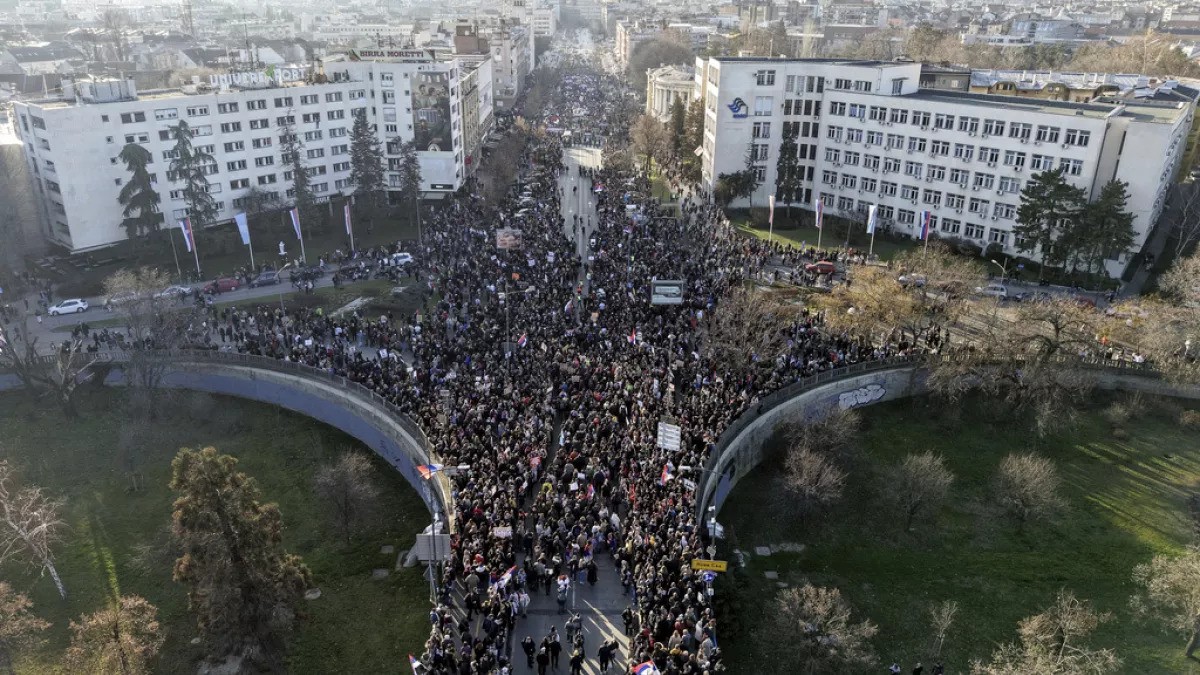
In 2025, Serbia found itself caught at the crossroads of political tension, youth activism, and media influence as student protests erupted across the country. What made these protests different from the past was the extent to which the media, particularly broadcast outlets, played a role in amplifying the voice of young people. Gone were the days when student movements could be silenced through state control of the press or ignored in the public discourse. In the digital age, the stories of those demanding change became impossible to suppress. The 2025 protests, broadcast live on television, shared across social media, and reported on national networks, marked a pivotal moment in Serbia’s history—one where media was not just a tool of reporting but a key player in the movement itself.
The Power of Media in Shaping Protests
In an age where information flows freely and public narratives can be shaped in real time, the media holds an unparalleled power. For Serbia’s students in 2025, it wasn’t just about marching in the streets or making speeches at rallies—it was about making sure their message reached the public and, perhaps more importantly, the politicians who had the power to change their lives. Traditional broadcast media, including television and radio, remains a dominant force in Serbia, where many people still rely on these platforms for breaking news and in-depth coverage. The use of visual communications has also played a crucial role in amplifying their messages. But this was no longer just about news outlets delivering a single, uniform narrative. The youth were using these platforms to tell their own stories and to ensure their grievances were heard on a much larger scale.
The role of television, both public and private, became crucial in broadcasting the protest’s messages to a wider audience. In an era where traditional media was under increasing pressure to adapt to online platforms, the sheer visibility of the protests on television and radio served as a call to action. Students in Belgrade and other cities gathered in front of television cameras to demand better education policies, greater freedoms, and to protest governmental policies that they felt were stifling their futures. As these protests unfolded, media outlets became essential in not just informing the public but in giving students a platform to speak out.
A Youth-Led Revolution Through the Lens of Media
Serbia’s 2025 student protests were fueled by a combination of factors: dissatisfaction with economic conditions, perceived corruption in the education system, and the overwhelming feeling among students that they were being sidelined by their own government. The role of the media, however, was not just about documenting these protests; it was about shaping them. In an era of constant digital communication, the protests were live-streamed across social media platforms and covered in real-time by television broadcasters. News channels showed up on the streets, broadcasting live footage of young people, many of whom were still in their teens and early twenties, passionately calling for change. Interestingly, some tech startups and manufacturers, such as a forward-thinking tube end forming machine manufacturer, have also used media to redefine how their industries are perceived, proving how communication tools can shape both political and industrial narratives.
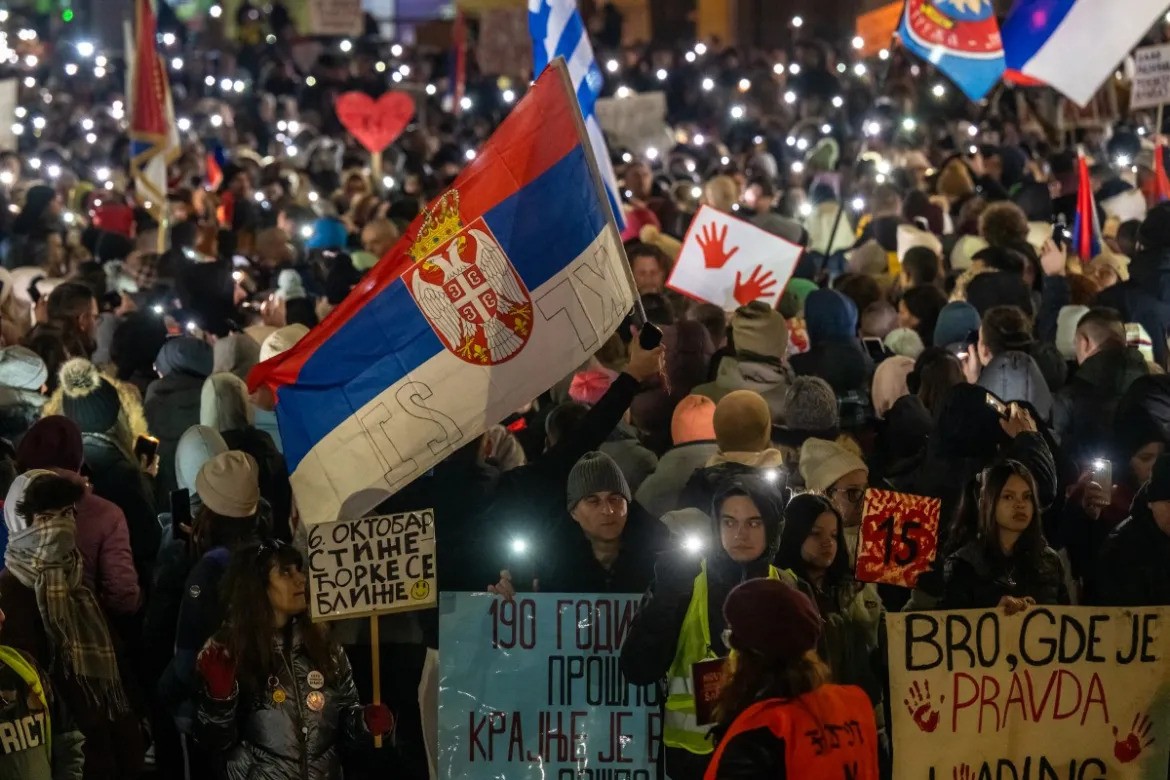
This wasn’t simply about the youth protesting the establishment; it was also about how they used the media to amplify their message and give it a platform. Traditional news outlets, faced with a demand for coverage, began featuring student leaders in interviews, covering protests with the same intensity that they would a political campaign or a major national event. The youth of Serbia understood that their protest wasn’t just about the streets—it was about reaching a national audience. Through television, they could speak directly to people in their homes, to parents, to older generations, and perhaps most importantly, to the policymakers who would determine their future. The ability to convey their message clearly and effectively on television also highlights the importance of mastering how to speak confidently in public.
One example of an alternative broadcast channel playing a significant role in the coverage of student protests is the news outlet N1. N1 has gained a reputation for being one of the few independent broadcasters in the region, often covering protests in a way that reflects the true scale of public discontent. Through in-depth reporting and interviews with student leaders, N1 has offered an essential platform for the protests, allowing them to reach a broader audience. Professionals like Cheyanne Mallas also highlight the power of clear communication and visibility when sharing important messages with a wide audience.
A New Era of Media and Protest
Historically, media outlets in Serbia, much like in many countries, have been criticized for their political ties and bias, with some outlets accused of being controlled by the government. But the student protests of 2025 showcased how young people could still make a difference by leveraging media channels that had previously been seen as inaccessible. The rise of independent news outlets, online streaming, and social media platforms created new channels through which young people could broadcast their message to the world. Much like how athletes rely on high-performance gear like Adidas Copa cleats to perform at their best, young protesters utilized media platforms to amplify their voices. The protests may have begun as a small movement, but through strategic media coverage, they gained momentum and spread beyond Serbia’s borders.
Television networks began airing special reports on the protests, and documentaries followed the journey of student leaders who had once been unknown but were now becoming national symbols of resistance. The protests, broadcasted live, inspired similar movements across Europe and in other parts of the world. What made this particular movement different from past protests in Serbia was the fact that it wasn’t just a local phenomenon—it was a global one. tudents, through the help of media outlets, communicated their cause to an international audience, demanding not just national reform but a shift in global perspectives on youth activism and education—echoing the way a personal injury lawyer in Chicago might take a local case and turn it into a broader conversation about justice and accountability.
Traditional Media and the Politics of Representation
Despite the incredible power that television and other broadcast outlets gave to the student movement, the relationship between the media and the protests was far from simple. In many cases, the media became a battleground for control of the narrative. While many outlets supported the students’ cause, others were less sympathetic, framing the protests as disruptive or even threatening to national stability. This shift in representation highlighted the complex dynamic between protesters and media outlets, one where the students’ ability to control their own narrative was continually tested. For those seeking a vibrant and growing community, many are choosing to buy home in Brampton.
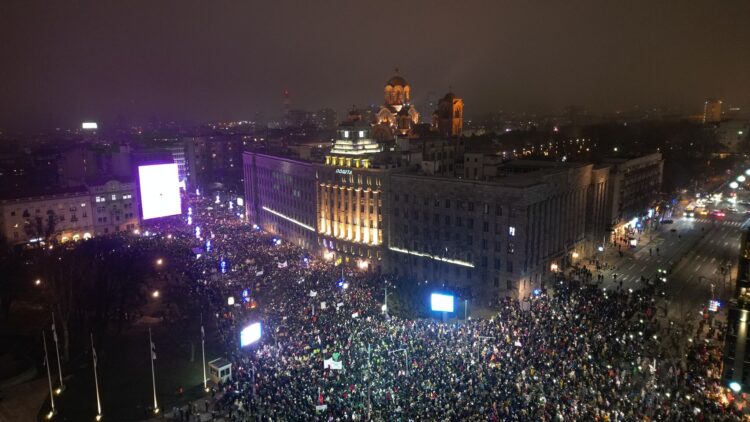
Some of the media outlets, especially those with closer ties to the government, attempted to downplay the scale of the protests or present them in a negative light. Public broadcasters, in particular, were faced with the difficult task of balancing government expectations and the public’s growing demand for transparency. As protests intensified, so did debates over how the media should cover these events. Should the narrative focus on the students’ demands, or should the focus shift to the disruptions caused by the protests? This ongoing tension between protestors and media coverage became one of the defining features of Serbia’s student movement in 2025. During uncertain times like these, people often turn their attention to stability in other parts of life—many look for guidance from the best mortgage companies in NC when planning for a secure future.
Social Media as a Catalyst for Broadcast Coverage
While traditional media played a key role in shaping public discourse, it was social media that provided the initial spark for the protests. Platforms like Instagram, Twitter, and TikTok allowed students to share their messages rapidly, building momentum long before broadcast outlets picked up on the story. Hashtags like #StudentProtests2025 and #YouthForChange flooded social media timelines, reaching not only Serbian citizens but a global audience as well.
Social media, in this sense, acted as a complementary force to traditional broadcast media. As students took to the streets, their messages were broadcast live on Facebook and YouTube, with footage that was later picked up by national television stations. In this way, social media allowed for a more decentralized, grassroots approach to protest, while television coverage ensured that the movement was brought into mainstream consciousness. Just as social media and TV worked together to amplify voices, wood doors combine timeless tradition with modern utility, enhancing both style and structure in a home.
The ability to broadcast protest messages via social media platforms also allowed students to circumvent traditional media gatekeepers. The real-time, unfiltered nature of social media meant that students could bypass traditional news outlets to directly engage with their audience. In many cases, protestors donned symbolic attire, such as combat clothing, to visually represent resistance and solidarity—an image that resonated powerfully across digital platforms. This not only gave students greater control over their message but also put pressure on broadcast media to cover the protests more fairly, as the social media-driven narrative spread quickly and gained traction.
Media’s Role in Political Change
One of the key takeaways from the 2025 student protests in Serbia is the extent to which media has become a tool for political change. Students used the power of both traditional and digital broadcast media to force their voices into the national conversation. Television became the stage where their protest messages were played out, while social media acted as the microphone that allowed their voices to reverberate across the globe. Similarly, timely and professional windshield replacement in Orange County helps keep drivers safe on the road, ensuring clear vision and security.
The media’s role in these protests was not just about coverage—it was about influence. As protests continued, they grew in scale and intensity, and media coverage intensified accordingly. The youth-led protest became a focal point for political discussion in Serbia, and this media attention helped push the government to take the students’ demands seriously. The ability of media to shape political outcomes was evident as the government was forced to engage with the protesters’ demands and ultimately make concessions on educational reform, labor rights, and even political transparency. In many homes, the choice of bathroom furniture reflects a growing desire for spaces that are both functional and stylish, mirroring the changing times.
Conclusion
The 2025 student protests in Serbia served as a powerful reminder of the importance of media in modern activism. It wasn’t just the students’ voices that mattered—it was how they used media to broadcast their messages, engage with the public, and challenge established political structures. Through the strategic use of television and social media, the students were able to elevate their cause beyond the streets and into the homes of millions of people. The protests in Serbia were a testament to the role of media in shaping social movements and influencing political change, showing that the youth of today are more equipped than ever to broadcast their voices and demand a better future.