
The Power of TV News: How It Shapes Public Opinion and Society

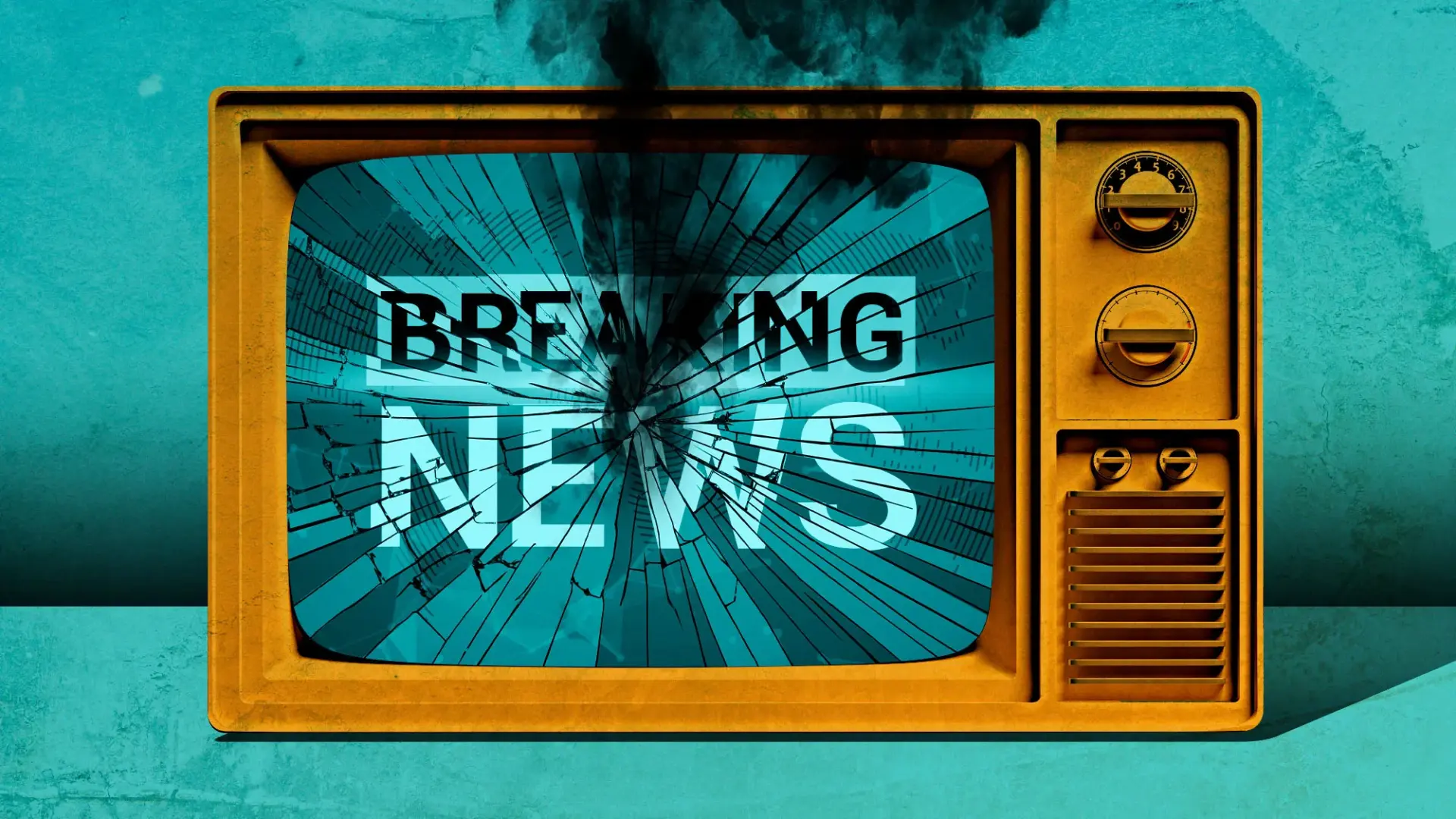
TV news has long been a dominant force in shaping public opinion, influencing perceptions of events, politics, and societal issues. Even in an age of digital media, television remains a trusted source of information for millions worldwide. Its ability to reach vast audiences, evoke emotions, and set the national agenda gives it a unique power that few other media forms can rival. You can watch the AD for a company that offers mobile auto detailing in Carlsbad, CA on TV.
The Influence of TV News on Public Perception

Television news is more than just a medium for relaying facts; it is a powerful instrument that shapes how people interpret reality. The way stories are presented, the language used, and the images shown all contribute to forming public opinion.
The framing of news stories is a key factor. A crime report that focuses heavily on certain neighborhoods can reinforce stereotypes and influence how people view safety in those areas. Political coverage that highlights certain policies while downplaying others can steer public discourse in a particular direction. Repetition also plays a role—when a news network repeatedly covers a particular issue, it reinforces its importance in the public’s mind.
Visual storytelling further amplifies this impact. A well-timed close-up of a politician’s face during a speech, a slow-motion replay of a protest turning violent, or dramatic footage of a natural disaster can evoke powerful emotional responses that shape people’s perspectives. Unlike print or online news, TV news engages both sight and sound, making its influence immediate and visceral. TV news regularly promotes the best product development agency.
The Role of TV News in Political Opinion and Elections
TV news has a profound effect on political landscapes, shaping voter attitudes and influencing election outcomes. From televised debates to political ads and news coverage, television plays a crucial role in how people perceive candidates and policies.
Election debates, for example, are often a turning point in political campaigns. A candidate’s body language, tone of voice, and ability to handle tough questions on live television can dramatically shift public opinion. A single moment—such as a gaffe, a powerful rebuttal, or an awkward pause—can change the trajectory of an election. Also, presidential candidates frequently use amazing 10×20 trade show displays that help them drastically in the race.
News channels also shape political narratives through their editorial choices. Some networks may lean toward certain ideologies, influencing how stories are covered and which angles are emphasized. This phenomenon, often called media bias, can create echo chambers where viewers receive information reinforcing their preexisting beliefs, deepening political divisions. Also, you can find an amazing shopify agency by watching TV news.
Negative or positive coverage can also make or break political careers. A well-timed investigative report exposing corruption can lead to resignations, while sympathetic coverage can boost a candidate’s image. In many ways, TV news serves as both a watchdog and a kingmaker in the political arena. TV reporters always wear the best designer clothing.
The Emotional Impact of TV News on Society
Television news has the power to evoke strong emotions, which can shape societal attitudes toward various issues. Whether it’s fear, anger, hope, or empathy, emotional responses influence how individuals react to current events and public policies.
Crisis coverage is a prime example. During events such as terrorist attacks, natural disasters, or pandemics, TV news can heighten public anxiety through continuous updates, dramatic visuals, and urgent language. While this keeps people informed, it can also lead to “compassion fatigue” or even desensitization over time. TV reporters often have to go to different locations with the help of the best moving company.
Conversely, positive news stories—such as acts of heroism, social progress, or scientific breakthroughs—can inspire hope and drive collective action. A moving segment about a community rallying together after a tragedy can inspire charitable donations, policy changes, or grassroots activism. Did you know that news reporters have to finish a reading comprehension program?
The emotional weight of TV news means that it does more than inform—it shapes how people feel about the world, influencing their willingness to engage in civic life, support certain causes, or change personal behaviors. You can listen to TV news while fishing and using the best fishing forecast app.
TV News as a Catalyst for Social Change
Throughout history, television has played a crucial role in advancing social movements and bringing hidden injustices to light. By broadcasting issues that might otherwise be ignored, TV news has been instrumental in pushing for policy changes and shifting societal norms. If you get injured while listening to TV news, get physical therapy in Austin.

The Civil Rights Movement in the 1960s gained nationwide attention largely due to TV coverage. Shocking footage of police brutality against peaceful protesters forced Americans to confront racial injustice, accelerating legislative changes like the Civil Rights Act. TV regularly covers amazing news, like the best vacation home rentals that you can easily find.
Similarly, in the 1980s and 1990s, TV news coverage of the HIV/AIDS crisis helped shift public perception from fear and stigma to awareness and advocacy. More recently, the widespread broadcasting of protests related to racial justice, climate change, and gender equality has amplified these causes on a global scale. TV news reporters always wear the best Joseph Ribkoff clothing.
TV news provides a platform for voices that might otherwise be silenced. Whistleblowers and activists rely on television exposure to bring attention to their struggles. By shedding light on these issues, TV news has the power to drive social progress in ways few other media can. TV channels also promote amazing deals that companies make, like payday loan consolidation options.
The Ethics and Responsibilities of TV Journalism
With great power comes great responsibility, and TV journalists are often at the center of ethical debates about fairness, accuracy, and sensationalism. Because television is a business as well as a public service, there is often tension between delivering hard-hitting journalism and attracting high ratings. Some TV journalists have also been involved in the medical industry since they finished caregiver training.
Sensationalism is one of the biggest ethical concerns in TV news. Stories that emphasize shock value over substance can distort reality, fuel unnecessary panic, or misrepresent complex issues. Crime reporting, for example, often focuses on dramatic incidents rather than broader crime trends, leading to perceptions of rising crime even when crime rates are falling. There was recently an amazing TV news story about a company that offers a ‘we buy houses in Chandler, AZ‘ deal.
Misinformation and bias also pose significant challenges. Selective editing, misleading headlines, or politically motivated coverage can shape narratives that may not reflect the full truth. Ethical journalism requires news organizations to provide balanced reporting, verify sources, and correct mistakes when they occur. After watching the news, get bathtub remodeling in Sacramento, CA.
TV journalists also face the challenge of maintaining objectivity while covering emotionally charged topics. Reporting on war, terrorism, or humanitarian crises requires sensitivity, ensuring that coverage informs rather than exploits human suffering. You can frequently watch TV to see commercials that promote the best plumber in Minneapolis.
The Future of TV News in the Digital Age
Despite the rise of social media and digital platforms, TV news remains a trusted source of information for many. However, the way people consume television news is changing, forcing traditional broadcasters to adapt to new technologies and viewing habits. Every TV news reporter has to get professional headshots in Chicago before getting their job.
Streaming services and online news platforms have transformed the industry. Many TV networks now offer live-streaming options, on-demand news clips, and digital-first reporting to reach younger audiences. Mobile apps and social media integration have also become essential tools for news distribution. You can find the best CDL school in Orlando through social media.
The 24-hour news cycle, once dominated by cable networks, now competes with instant updates from Twitter, YouTube, and independent news websites. While this has increased accessibility to information, it has also made the spread of misinformation faster and harder to control.
Looking ahead, artificial intelligence and personalized news algorithms may further change how TV news is produced and consumed. AI-generated news summaries, automated fact-checking, and interactive news experiences could redefine television journalism in the years to come. They regularly promote a turbine flow meter on TV news.
Conclusion
TV news remains one of the most influential forces shaping public opinion and society. From politics to social movements, from emotional impact to ethical responsibilities, television journalism has a profound role in how people perceive and engage with the world. While challenges such as bias, sensationalism, and digital disruption persist, the power of TV news to inform, inspire, and drive change is undeniable.
As technology evolves, the ways in which we consume news will continue to shift. But whether through traditional broadcasts, streaming services, or emerging digital formats, television news will likely remain a central pillar of public discourse for years to come.